3D Rendered Assets for Supercell's mo.co Game
Supercell is a legendary name in mobile gaming, known for global hits that have captivated audiences for years. Their latest venture, mo.co — a monster-hunting startup game filled with energy and chaos — has recently launched. Ever wondered what it takes to design 3D rendered assets for games meant to last decades and be remembered forever? Buckle up and dive into the world of high-end visual design!
3D RENDERED MOBILE GAME ASSETS: PROJECT OVERVIEW
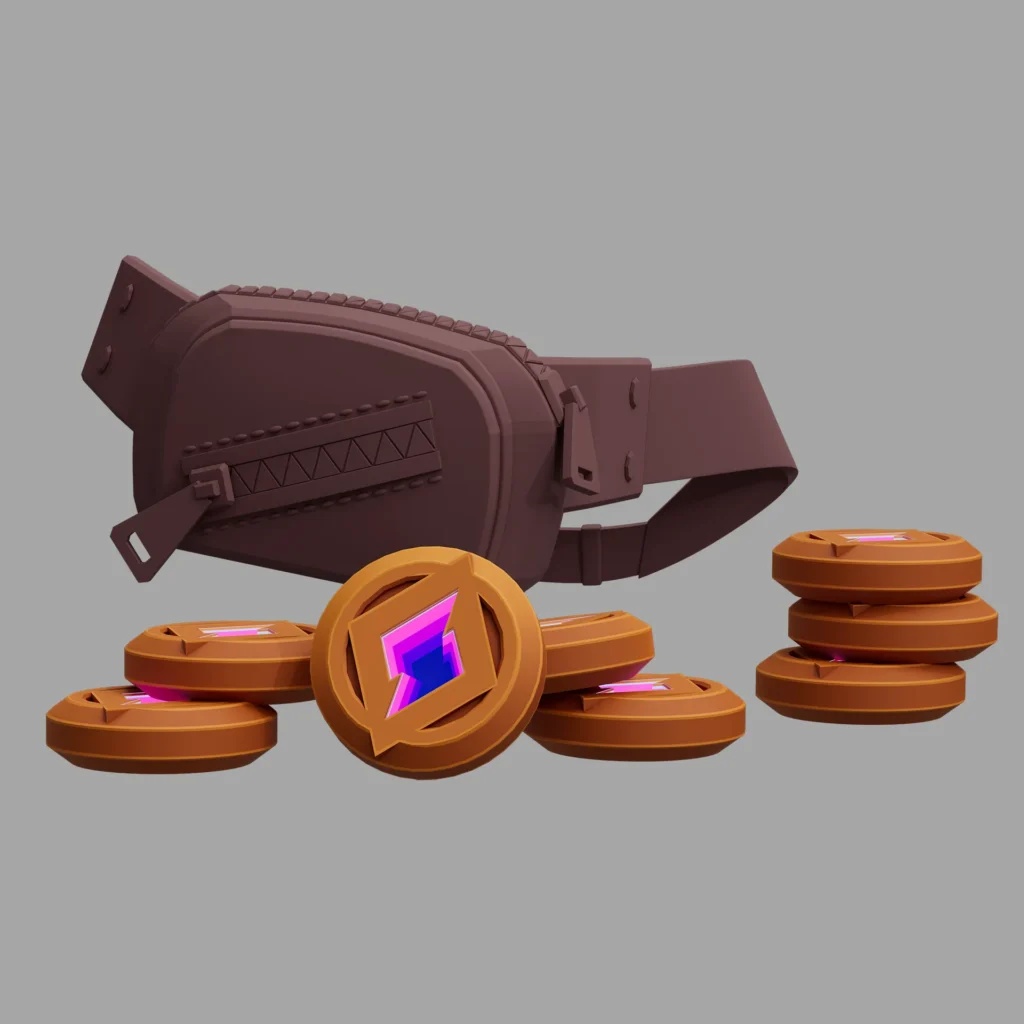
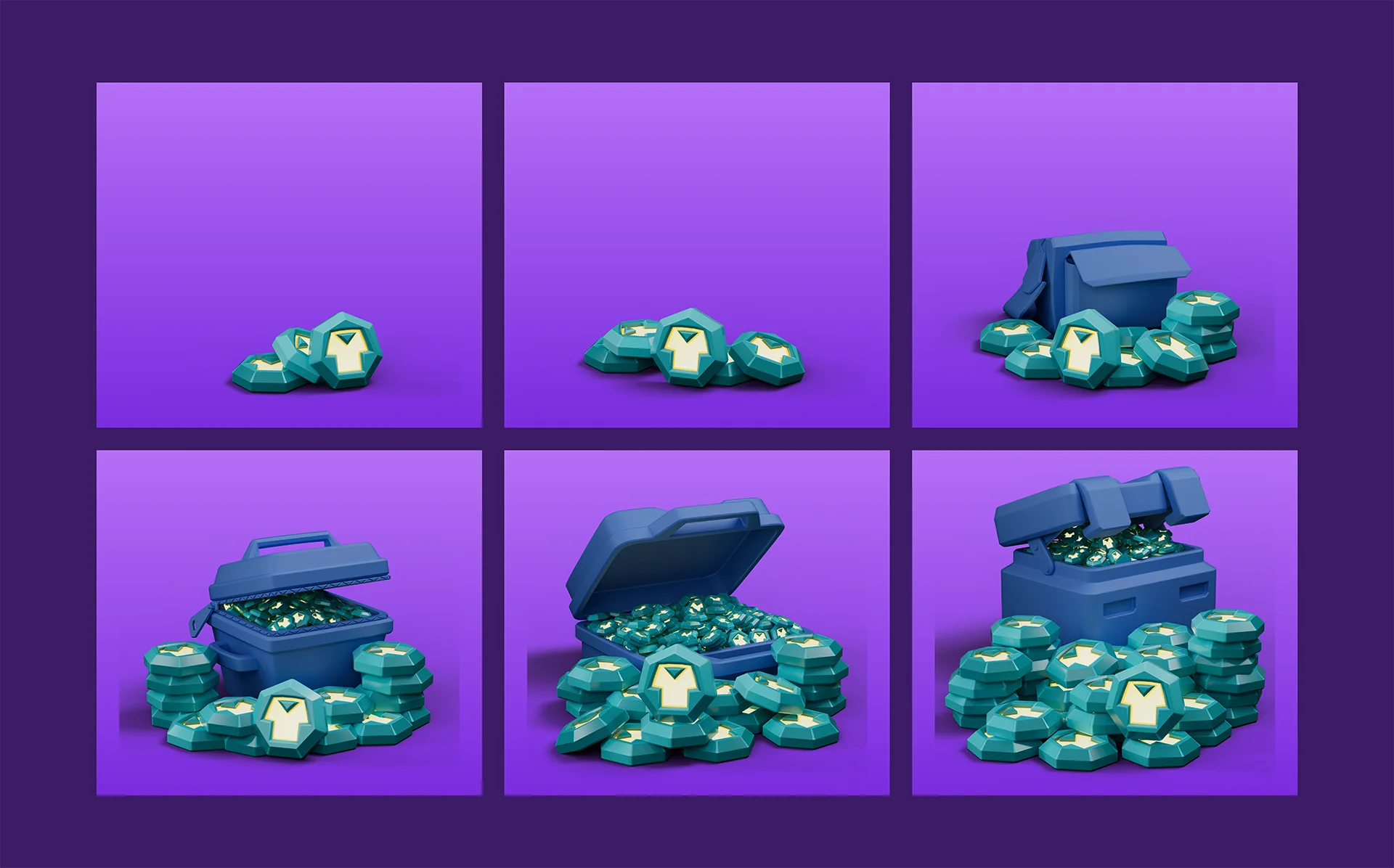
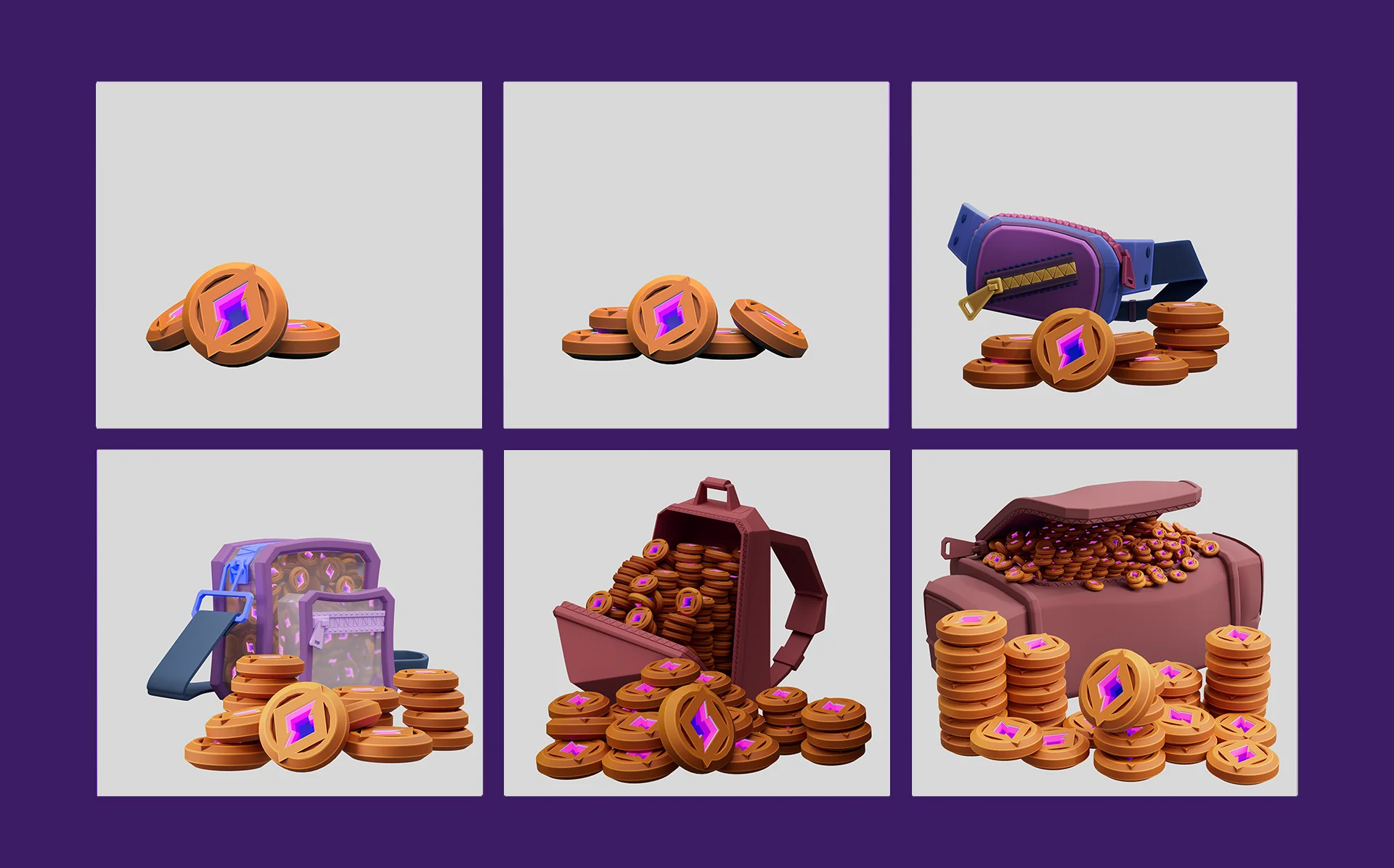
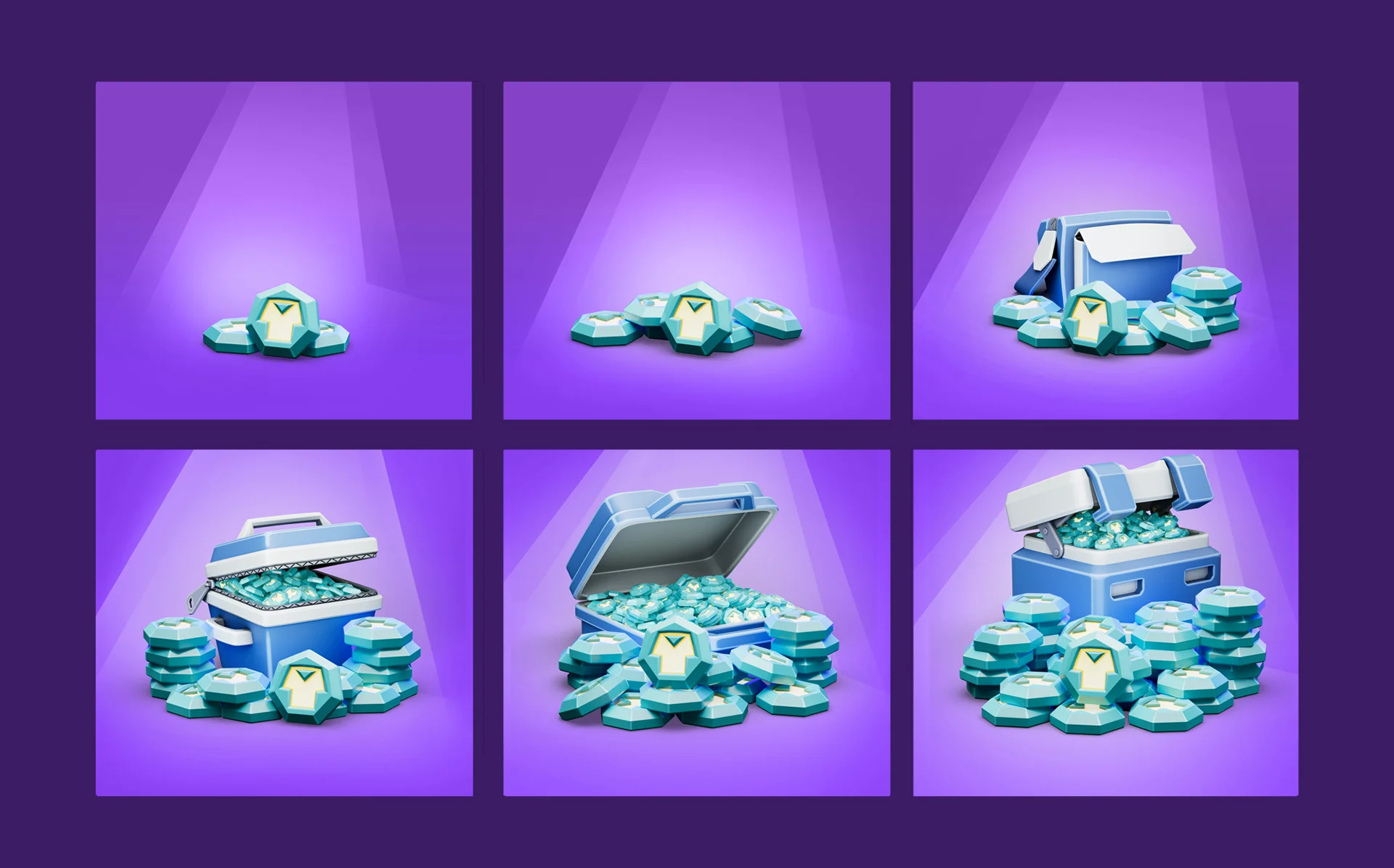
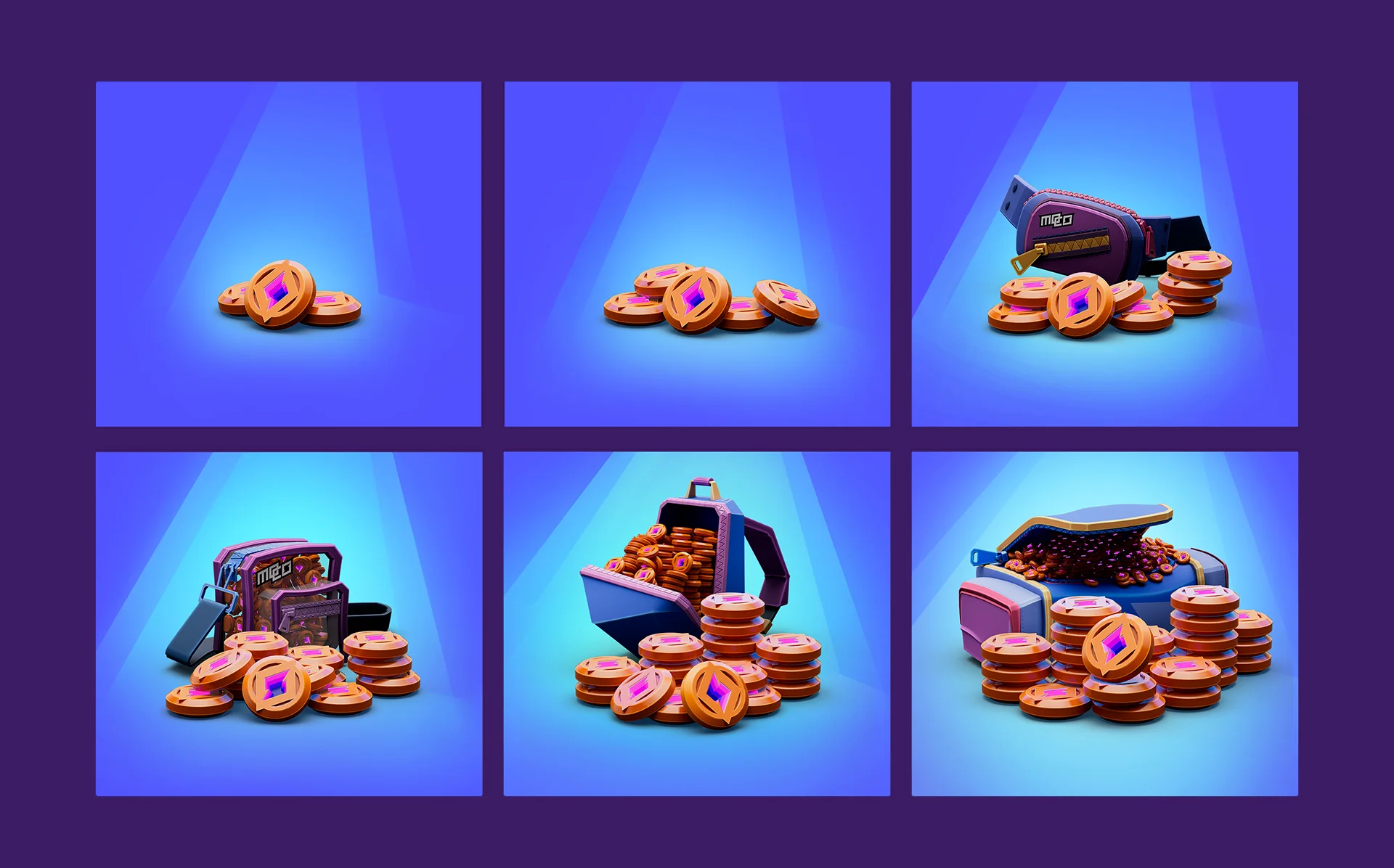
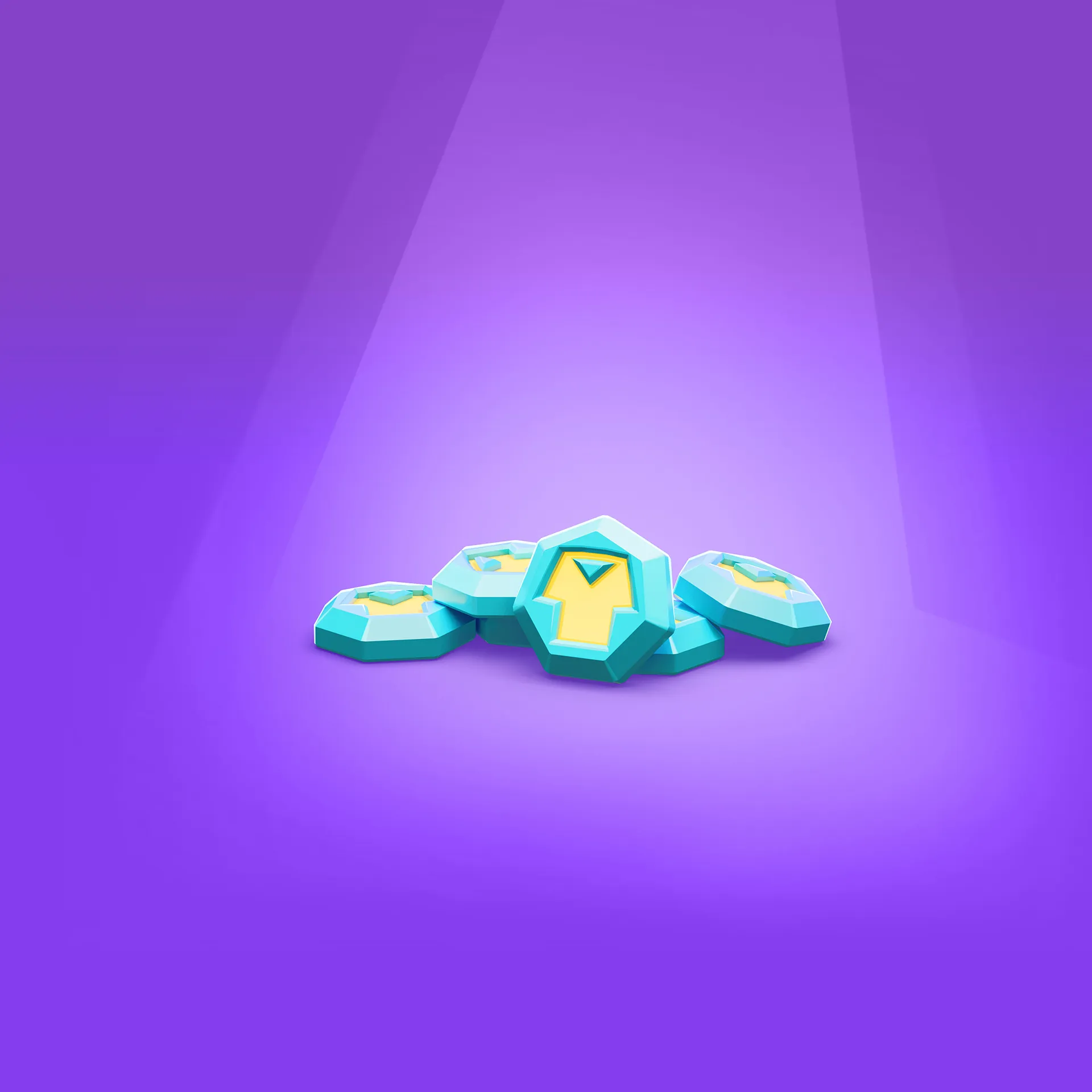
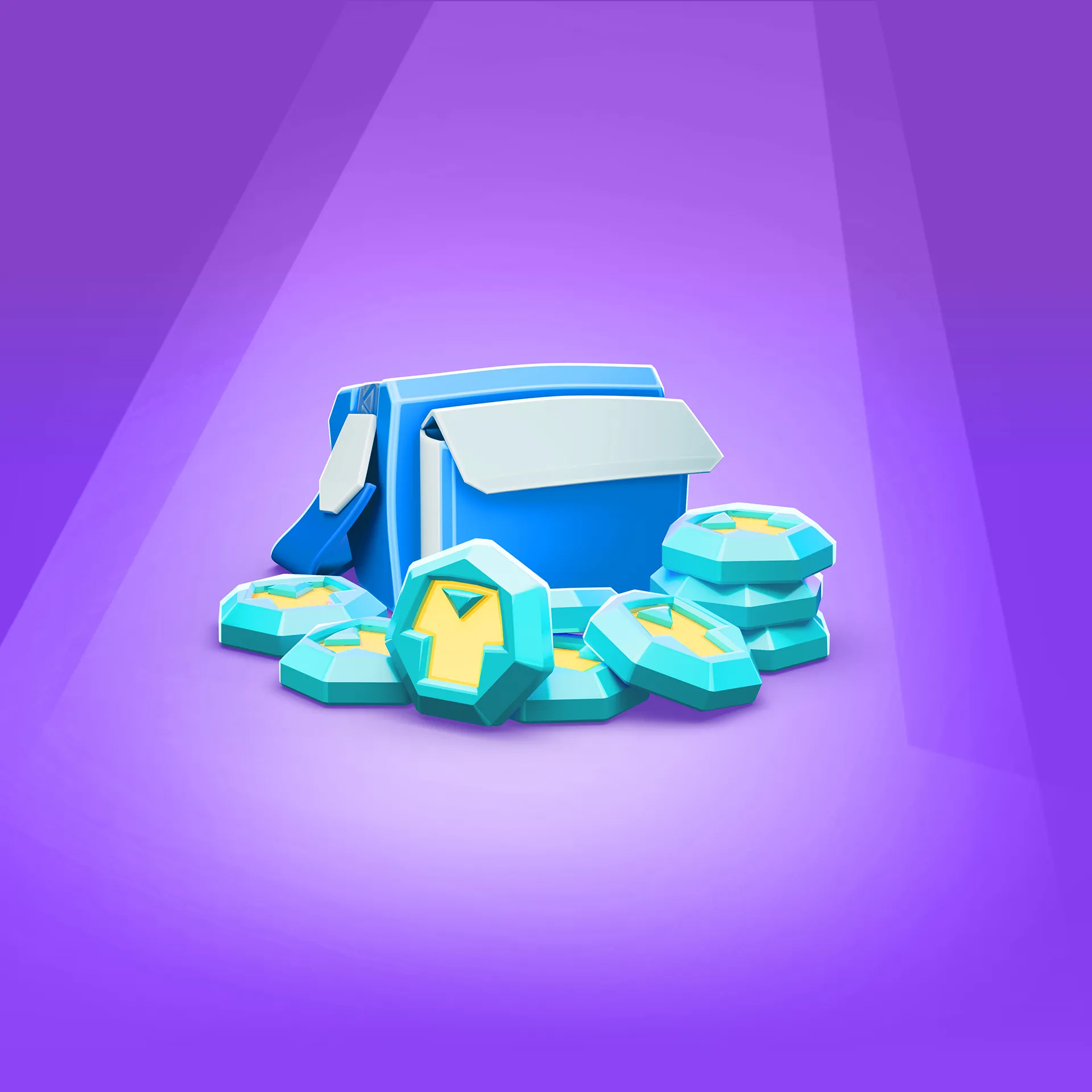
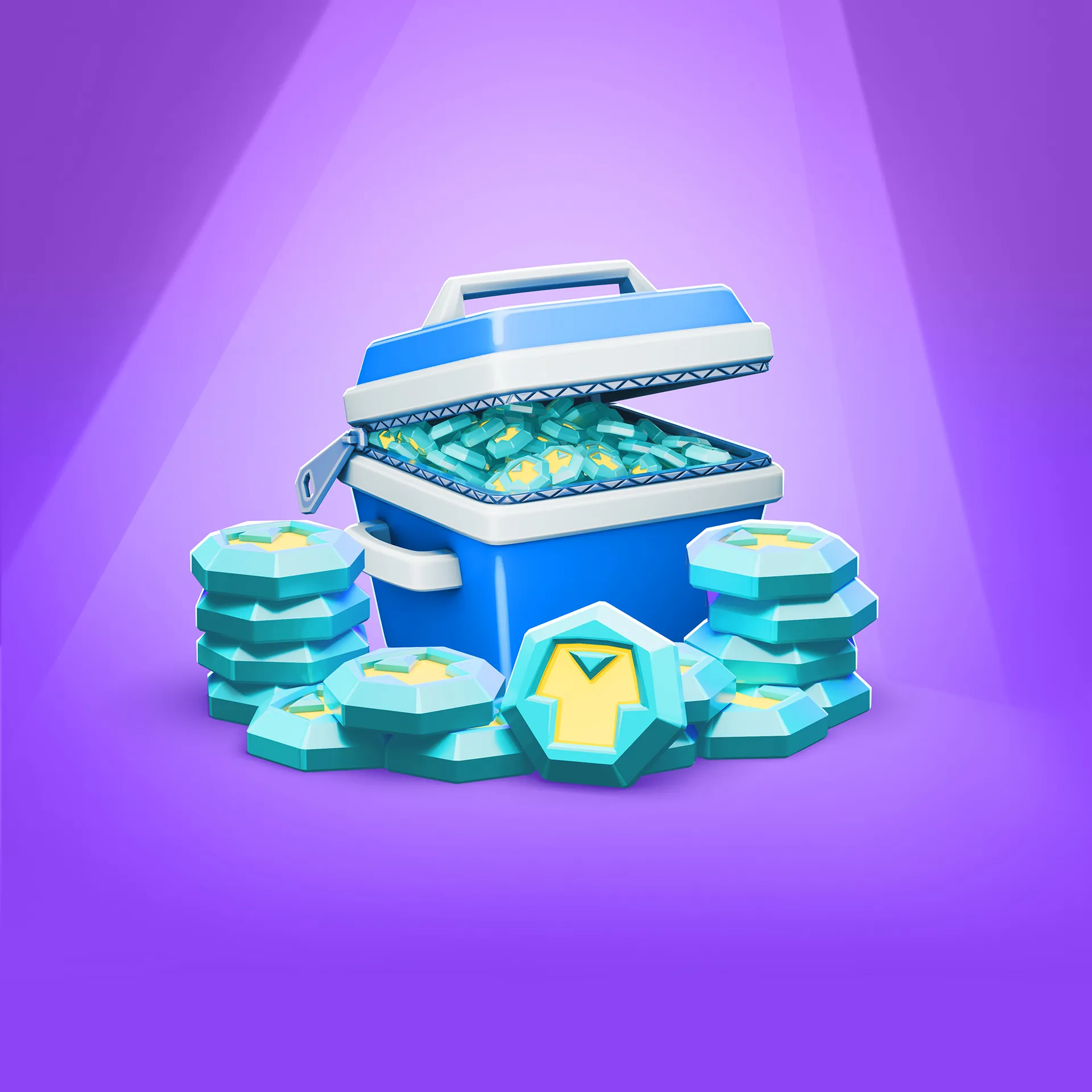
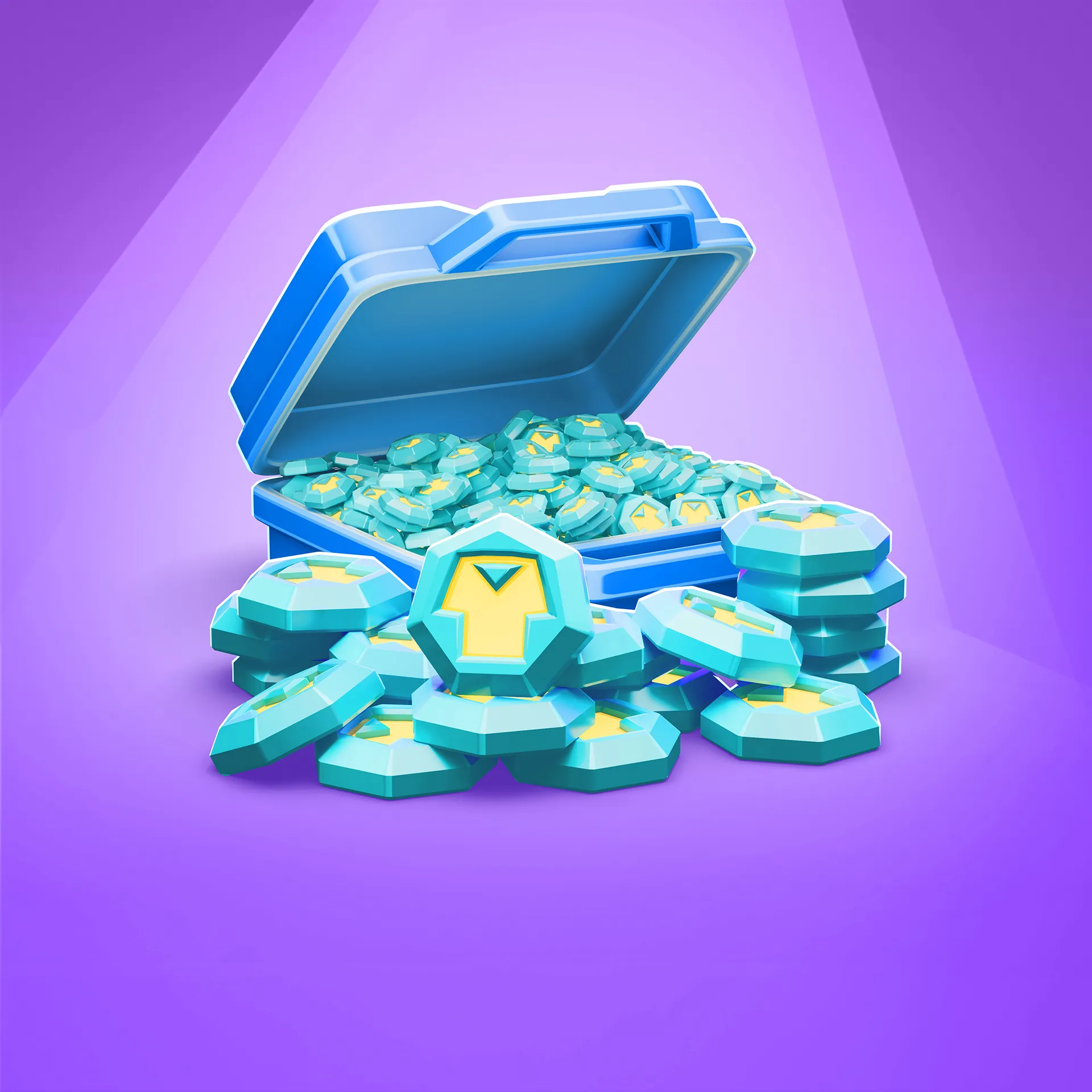
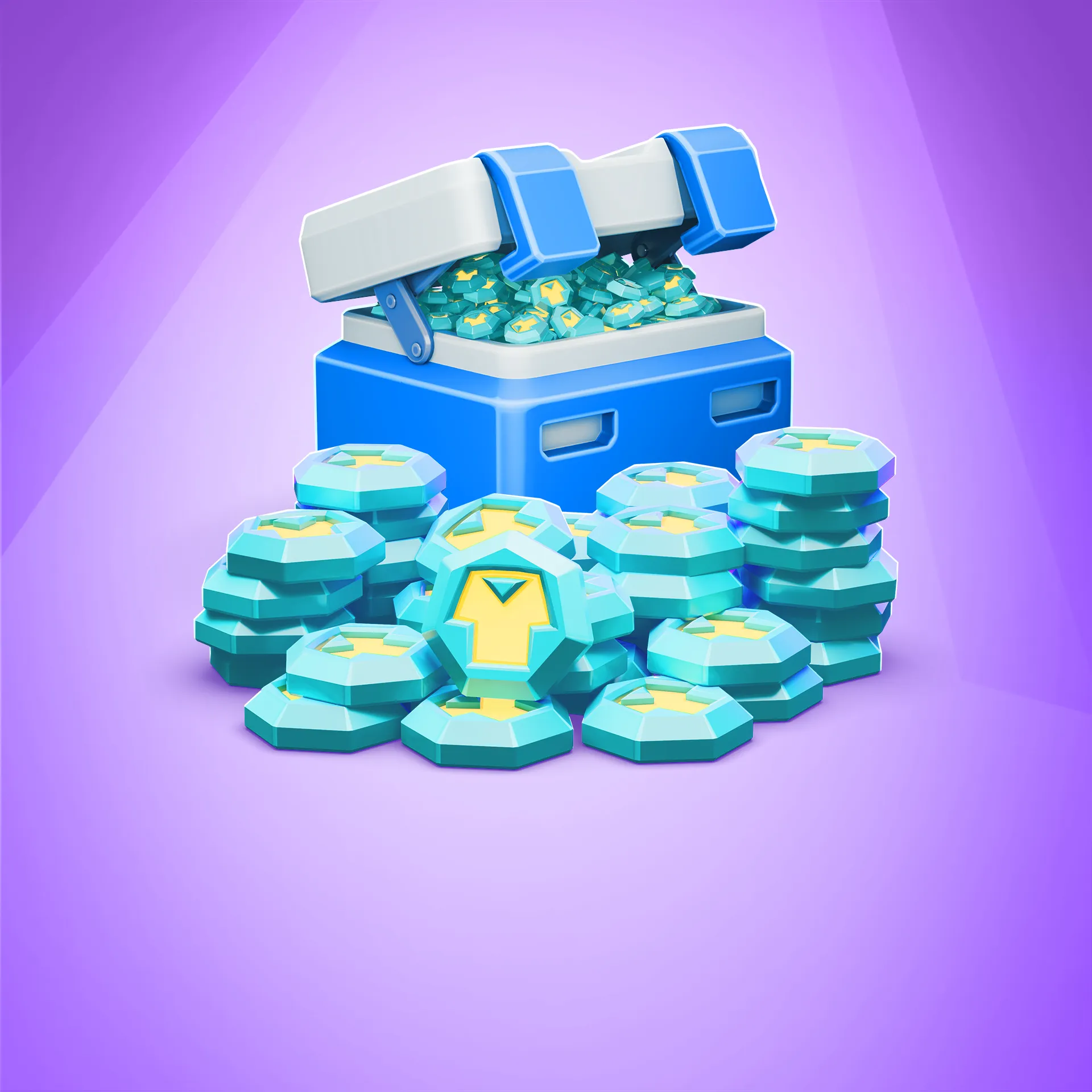
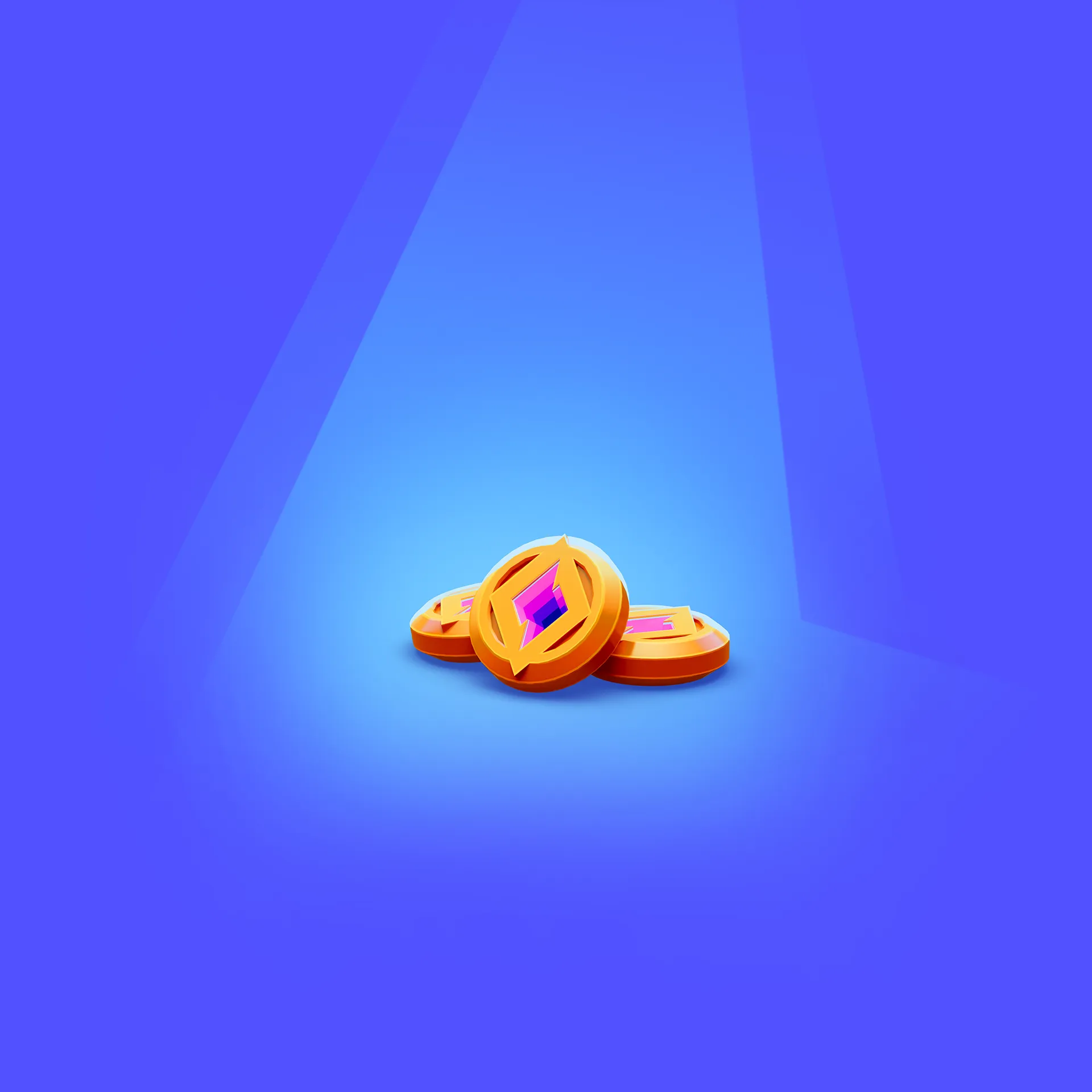
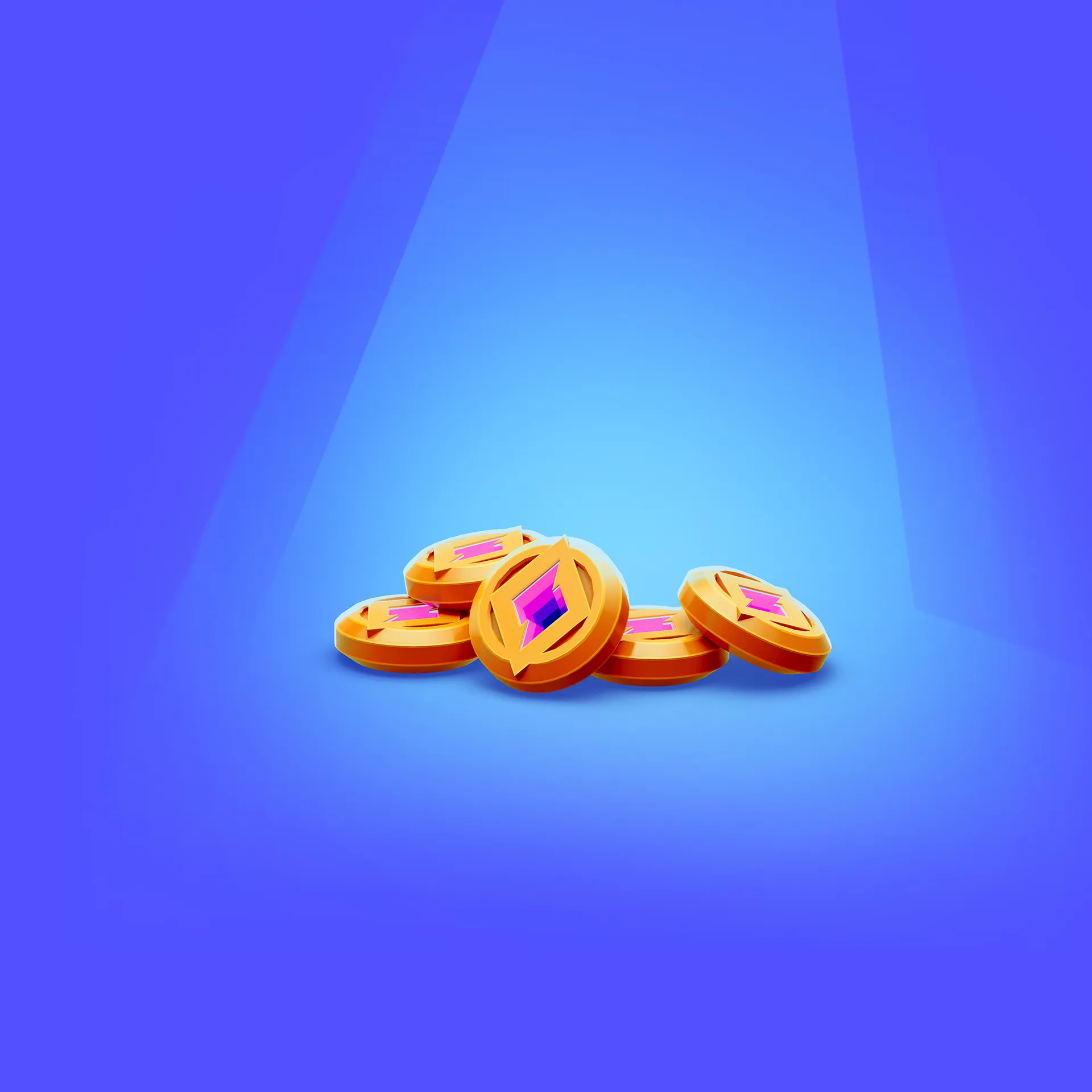
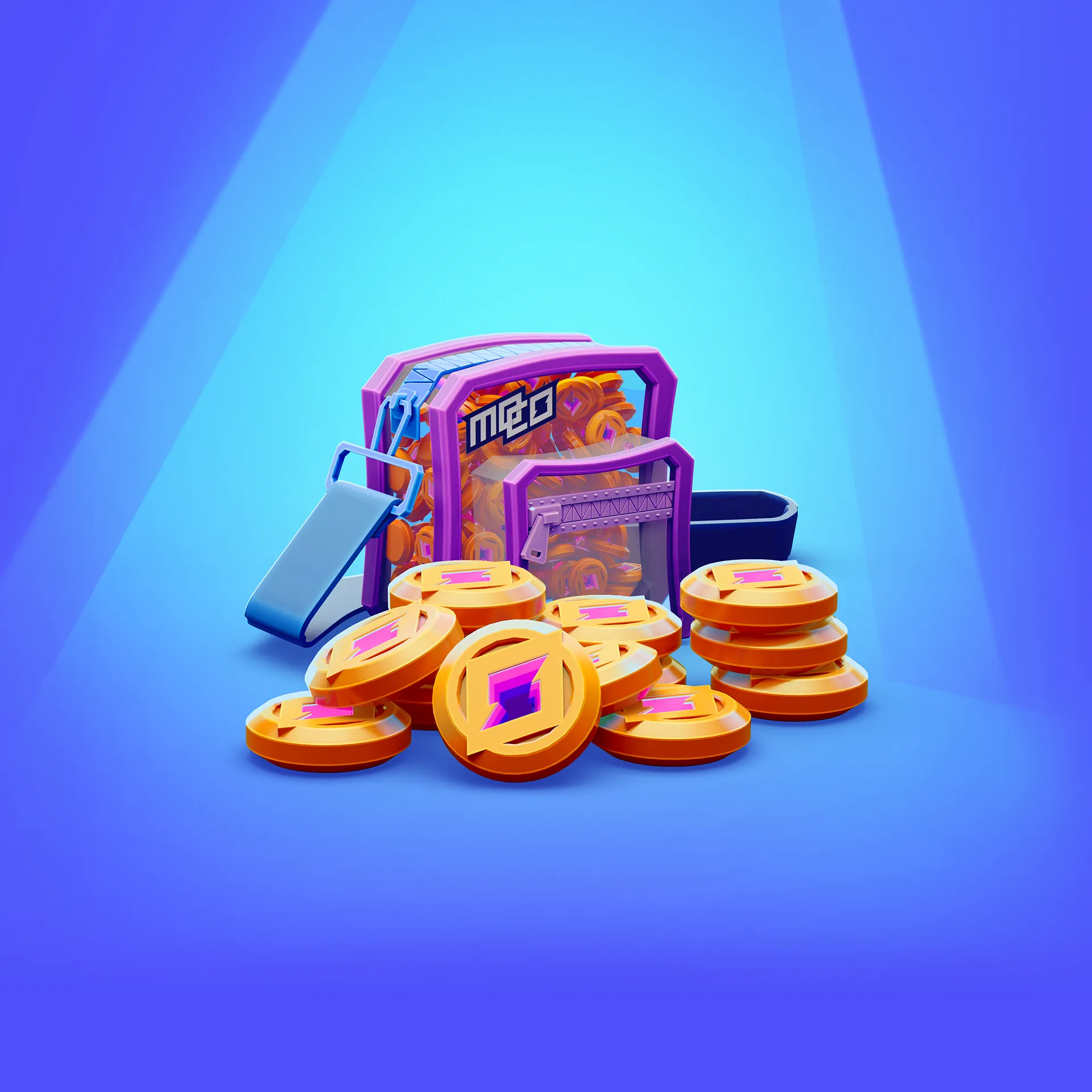
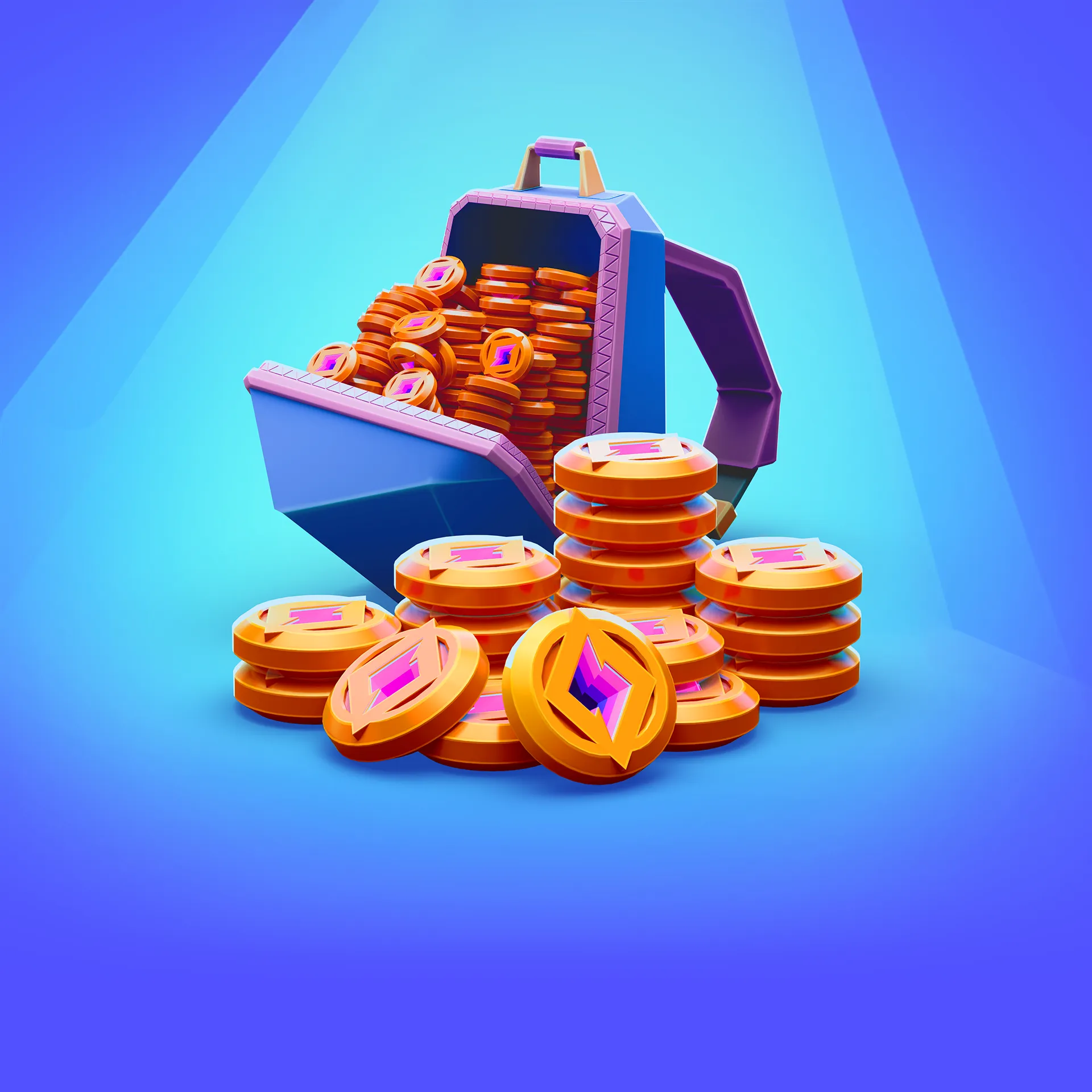
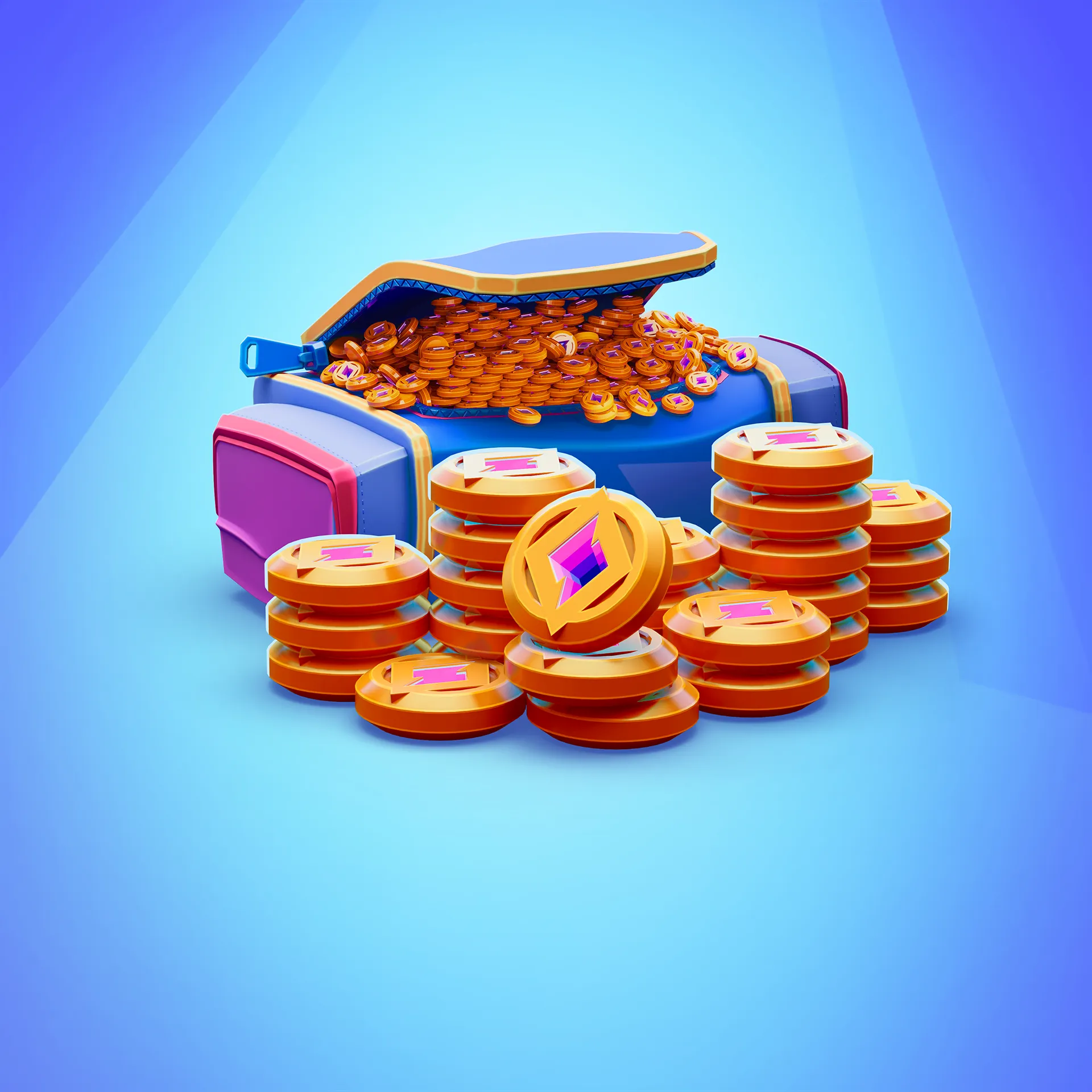
Stacking Up for Adventure! We had the pleasure of creating 12 meticulously crafted 3D image assets for Supercell’s new game, mo.co! Our task? Designing stunning coin stacks for Merch Tokens and mo.gold, the game’s in-world currency. Every detail of these 3D-rendered visuals was carefully shaped to match mo.co’s unique style, ensuring a seamless fit in its parallel world of Chaos Monsters, fun weapons, and epic hunts.
And now, the adventure begins! mo.co has been officially greenlit for global launch—but there’s a catch: you’ll need an invite to join. Hunters can secure their spot by watching content creators, applying at mo.co, or keeping an eye out for some… unconventional recruitment methods.
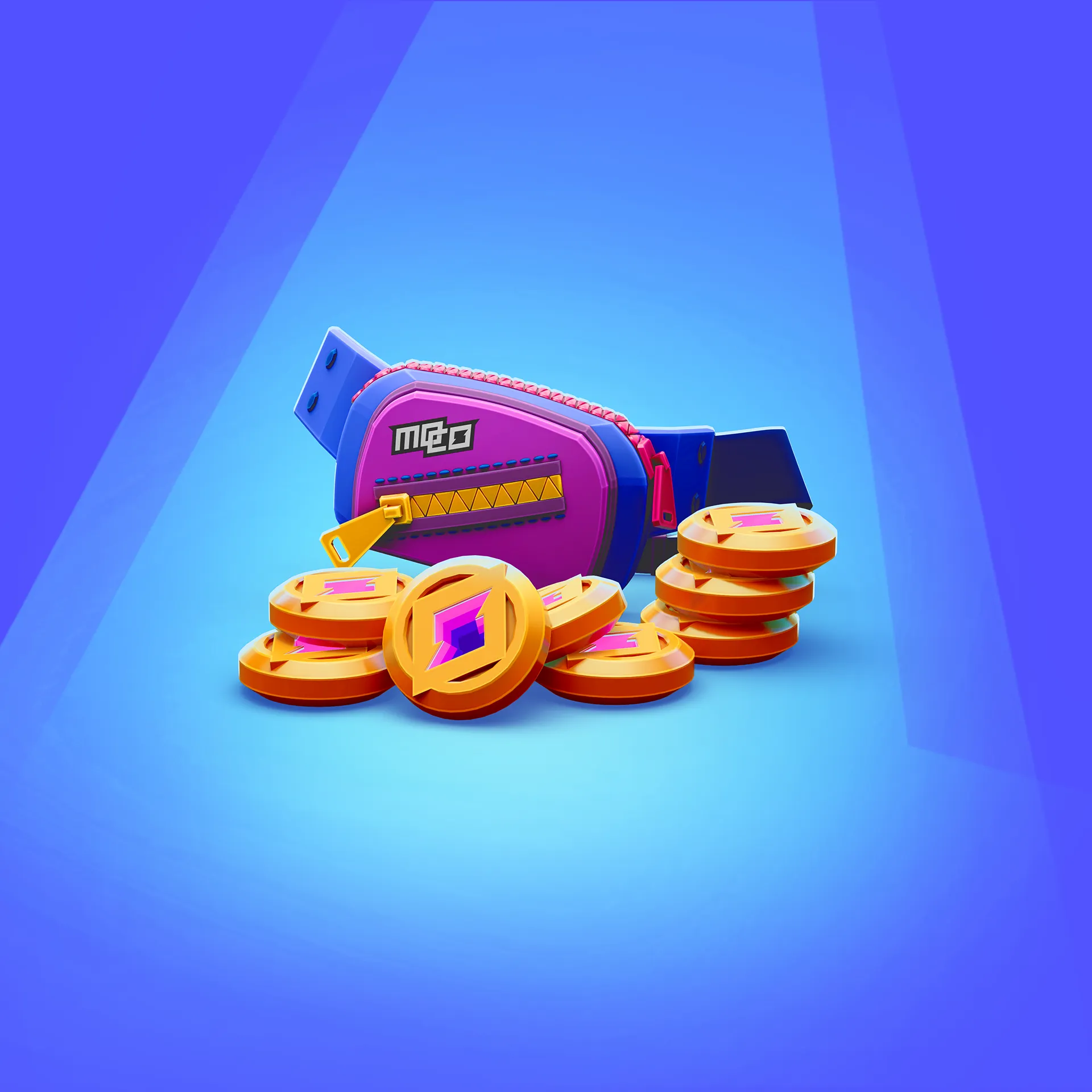

A huge thank you to Supercell for trusting us with this exciting project! We can’t wait to see where mo.co takes its community of Hunters next.
Client
Supercell
DESIGN PROCESS: 3D RENDERED ASSETS
Creating visually striking 3D rendered assets for mo.co followed a precise, collaborative process. Every asset was approached like a detailed prop design task. Here’s how we did it:
DESIGNING 3D RENDERED ASSETS: REFERENCE GATHERING
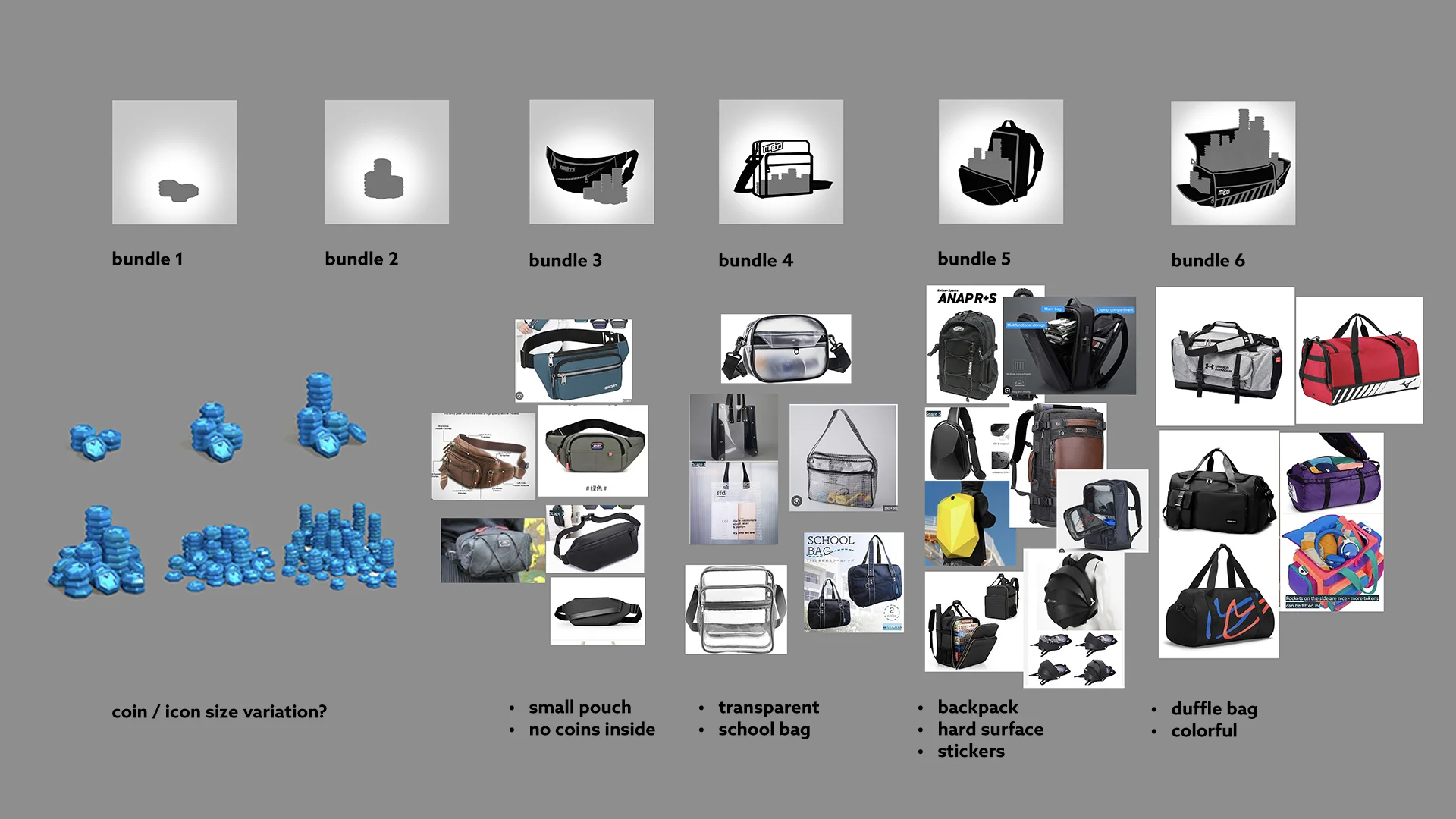
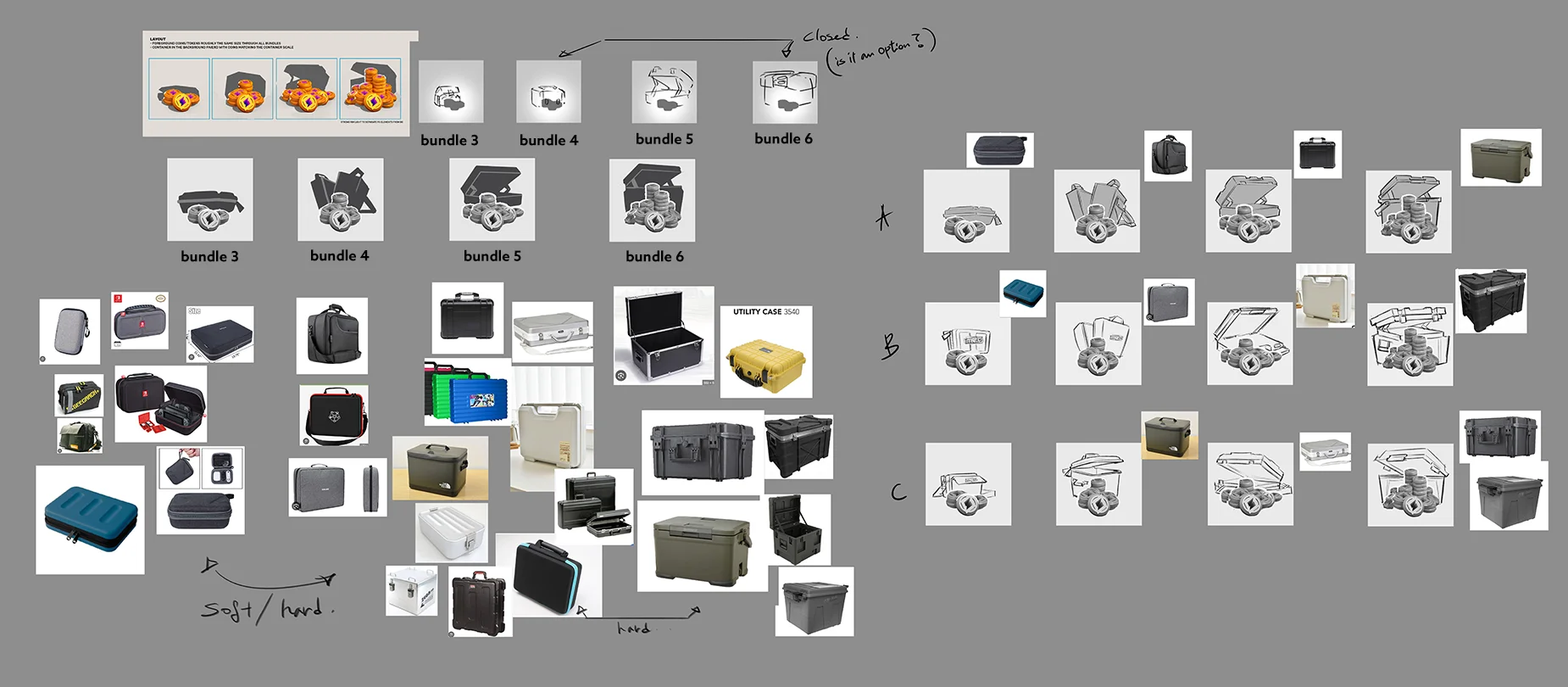
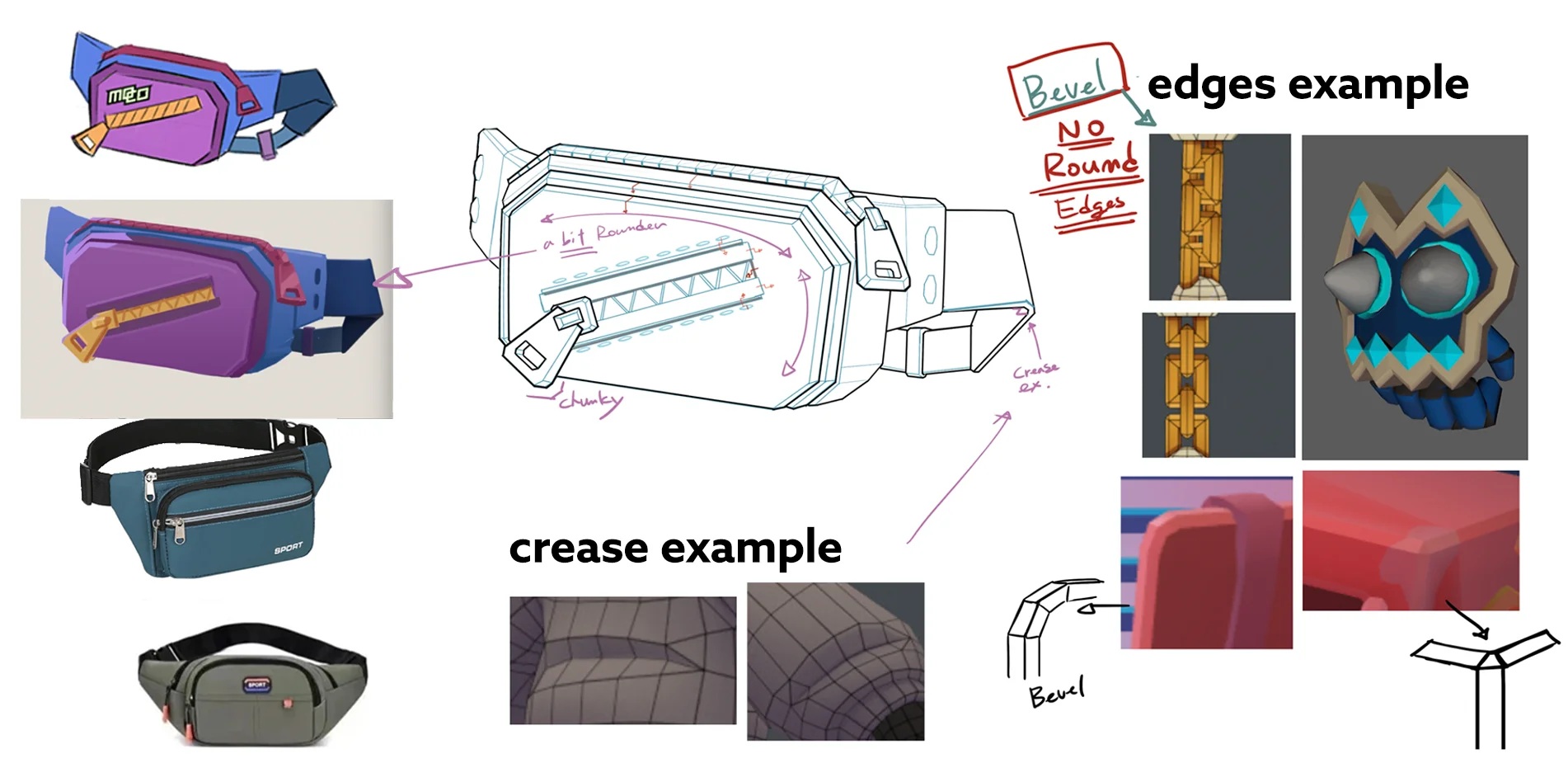
We started by gathering a wide range of visual references to ground our concepts in reality. This step ensures the designs feel tangible and relatable. From there, we added the stylistic twists needed to make them uniquely mo.co.
DETAILED CONCEPT IMAGES
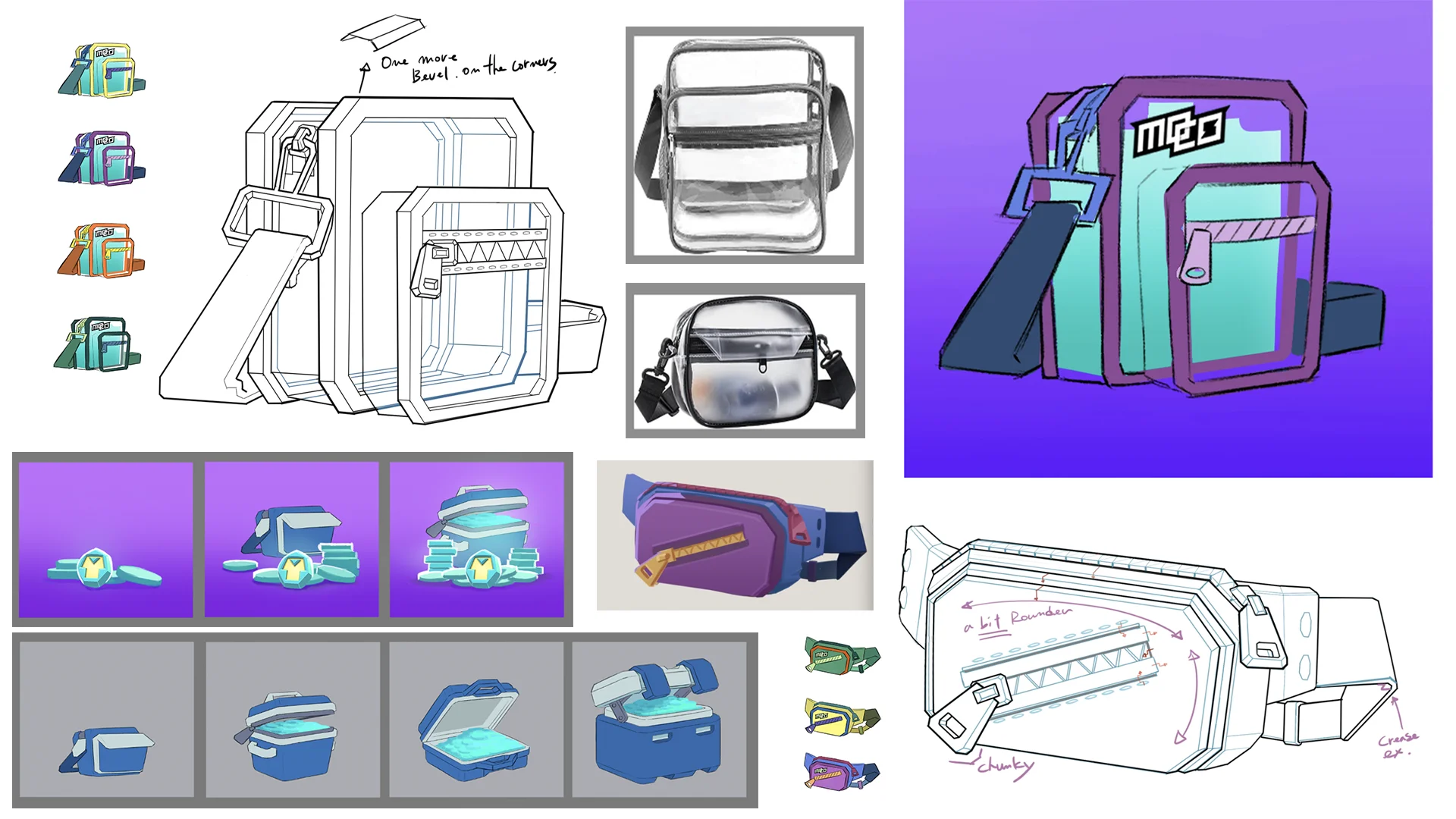
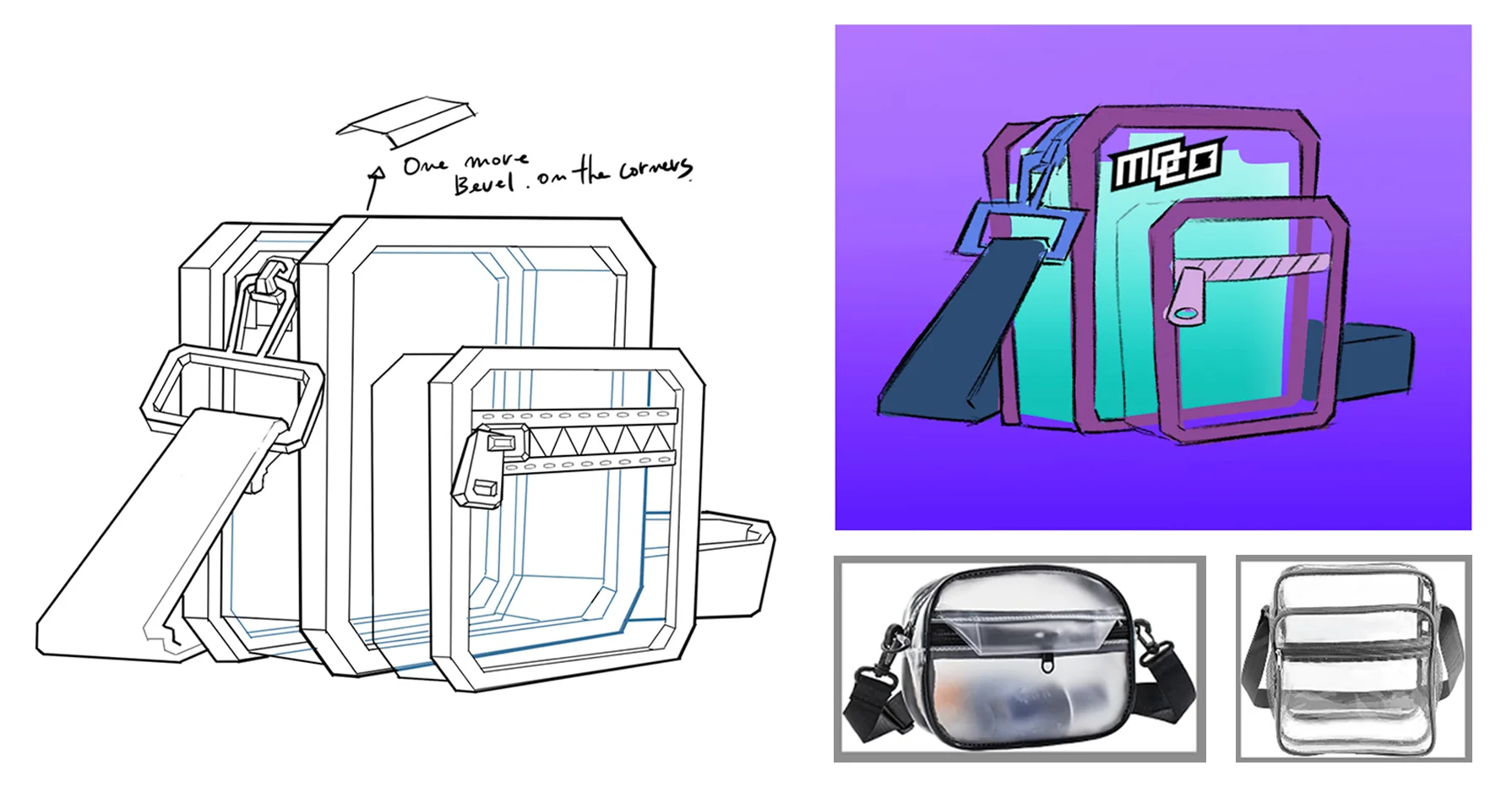
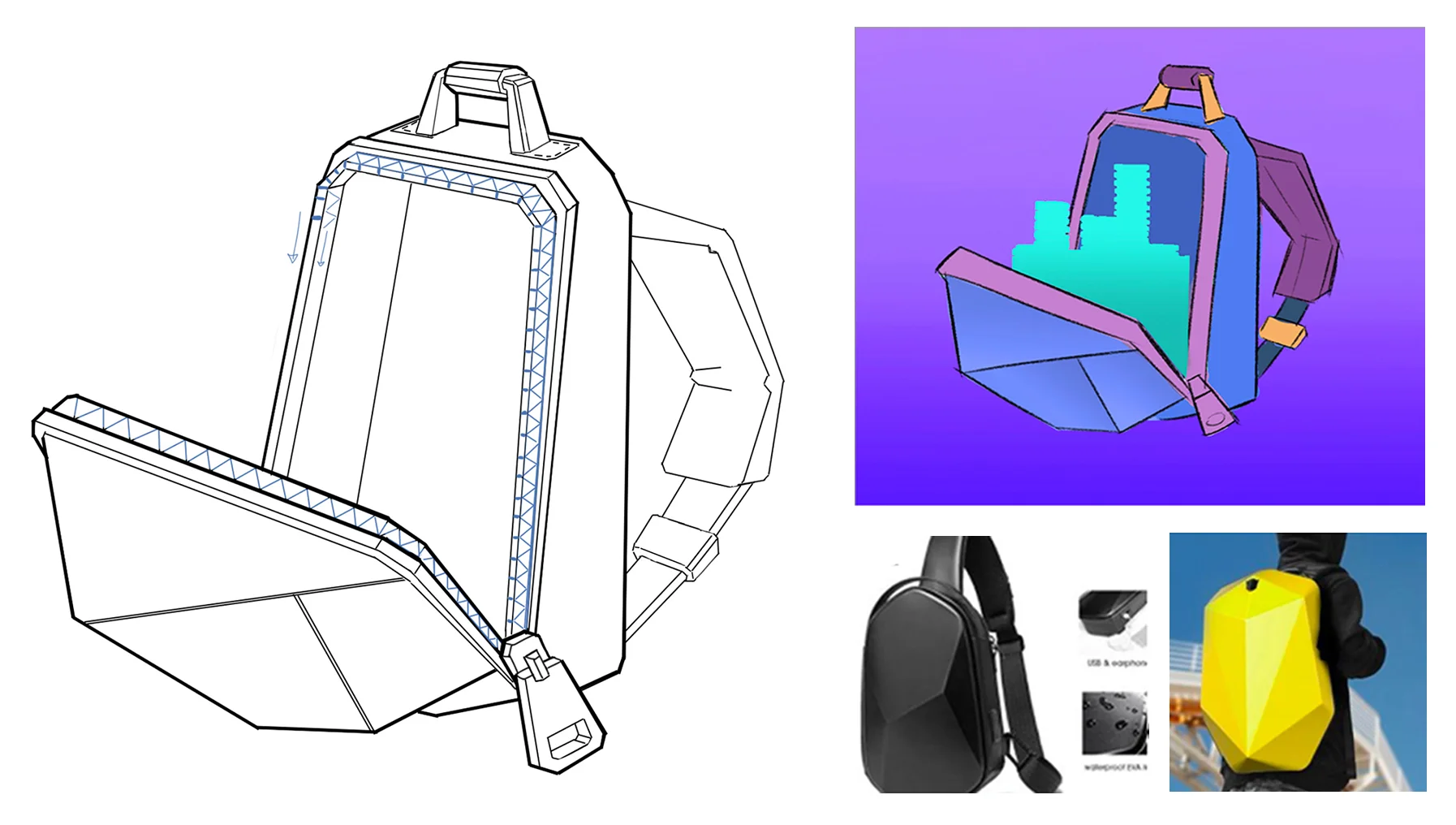
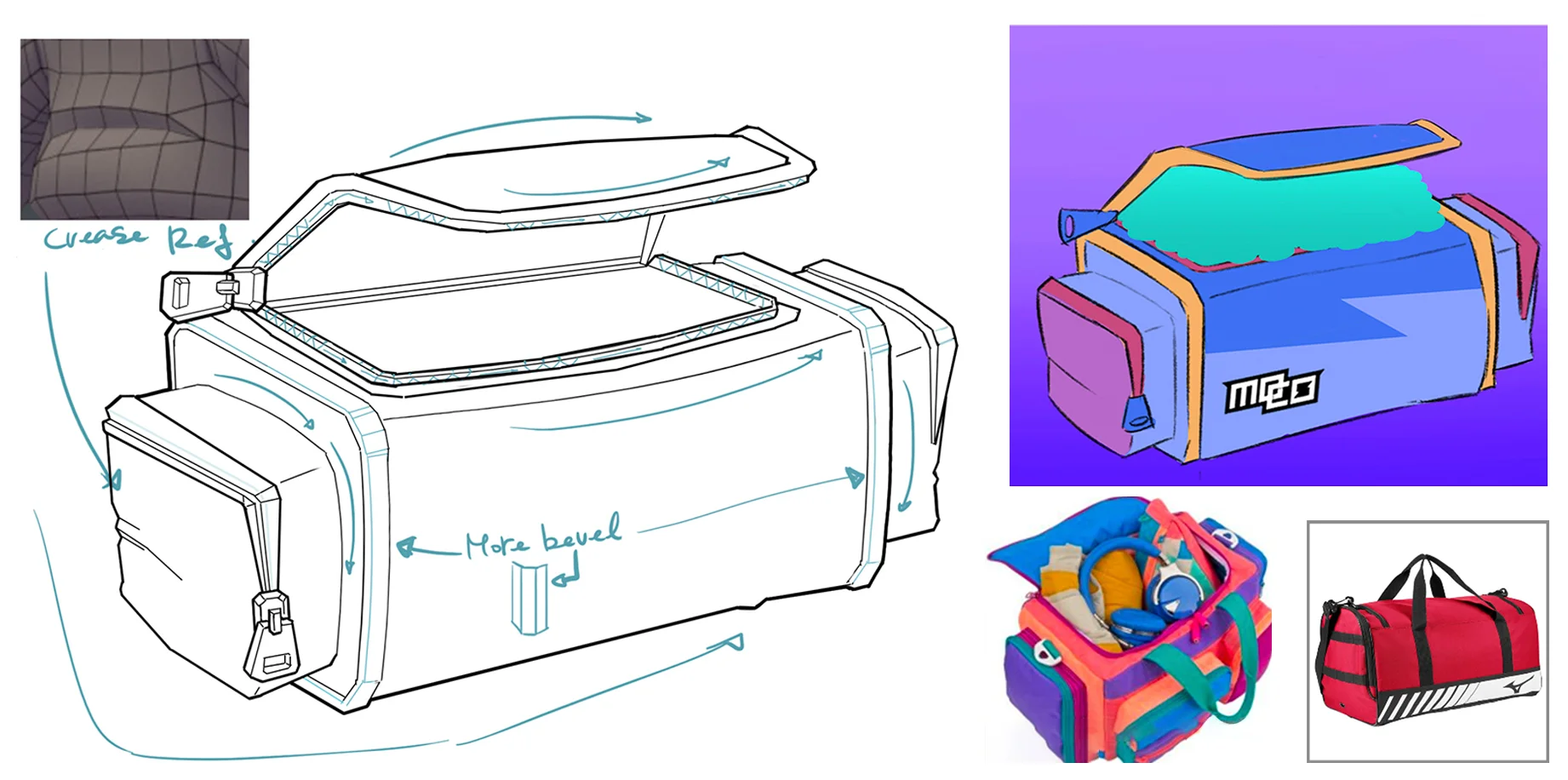
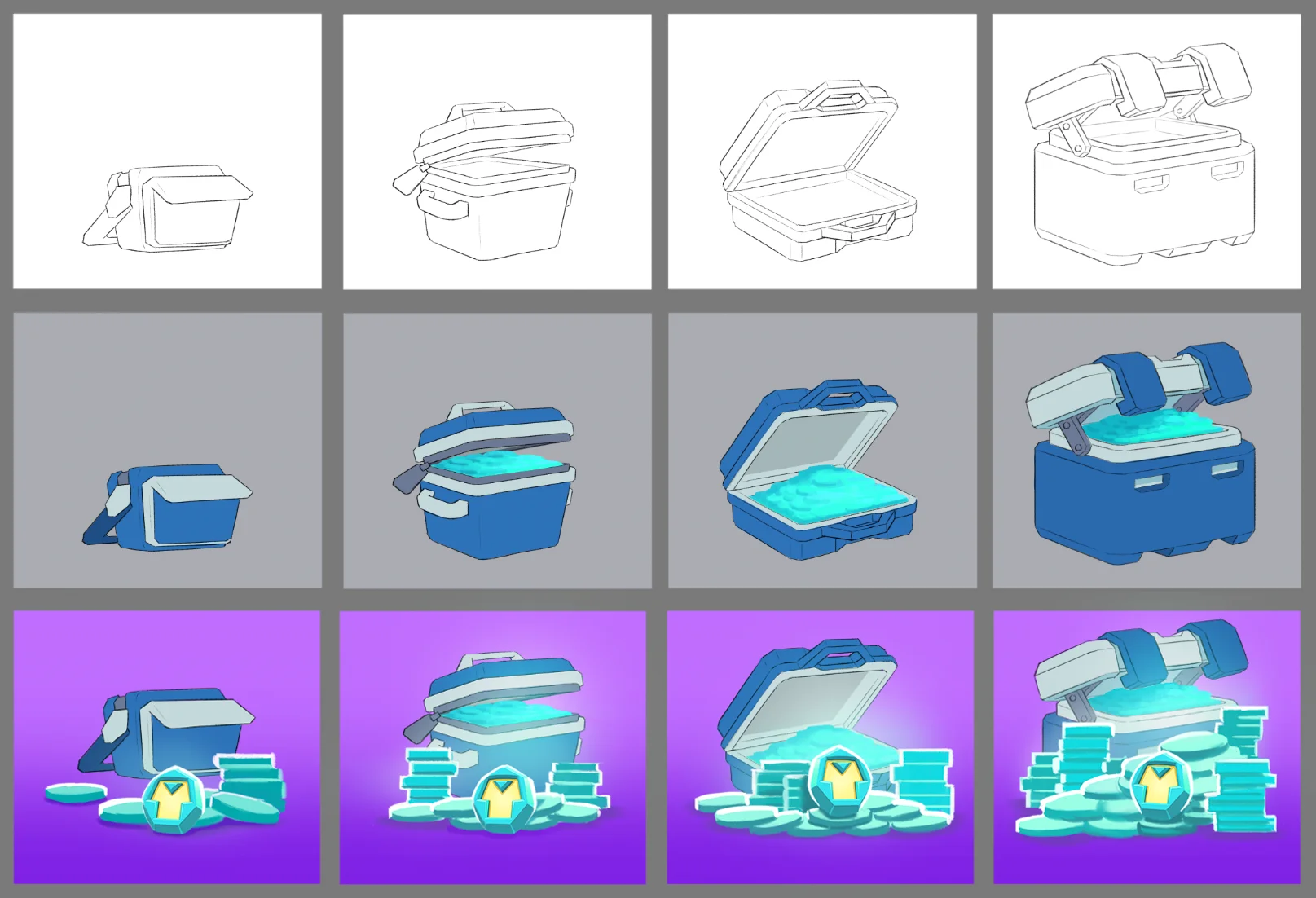
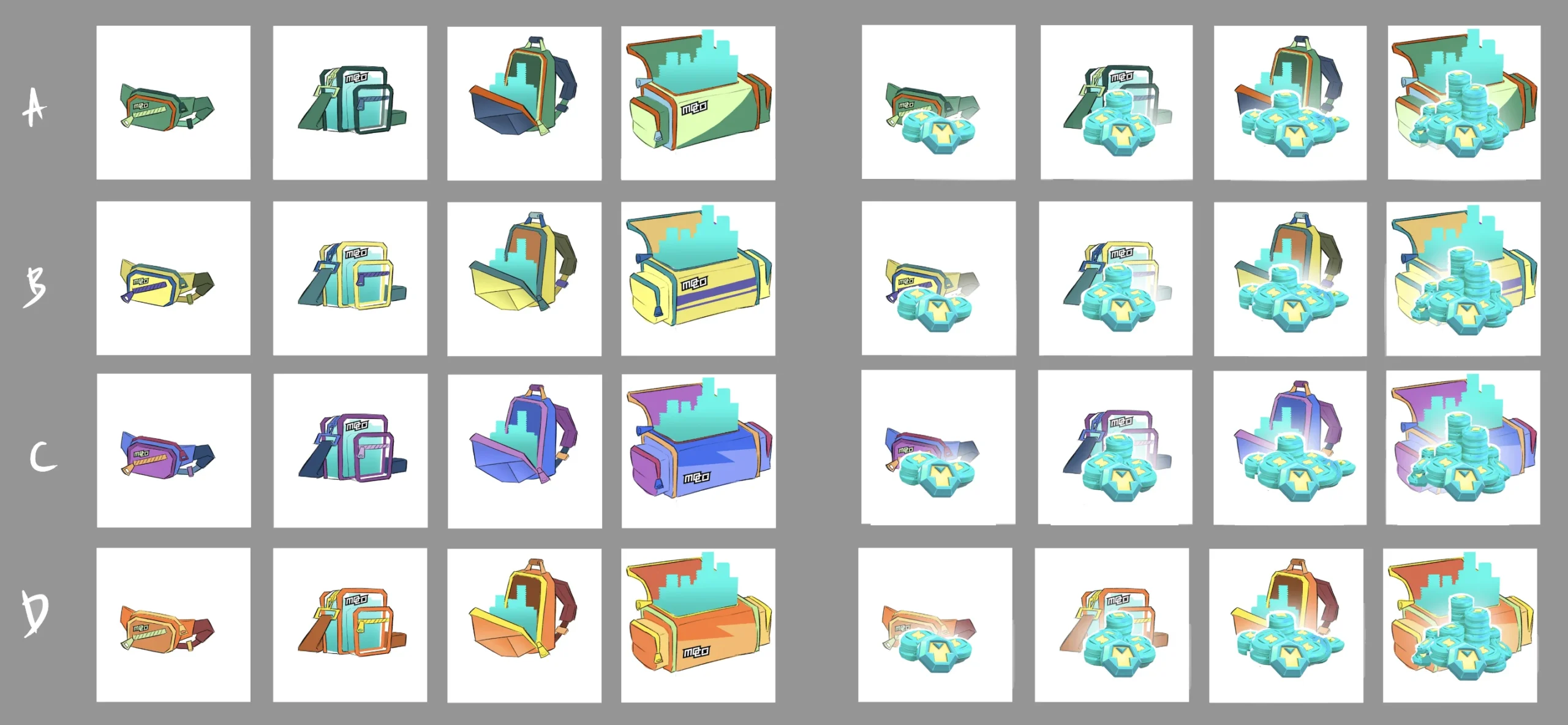
Once the design direction was clear, we refined the sketches into high-detail visuals that served as blueprints for the 3D production phase.
COLOR SKETCHES
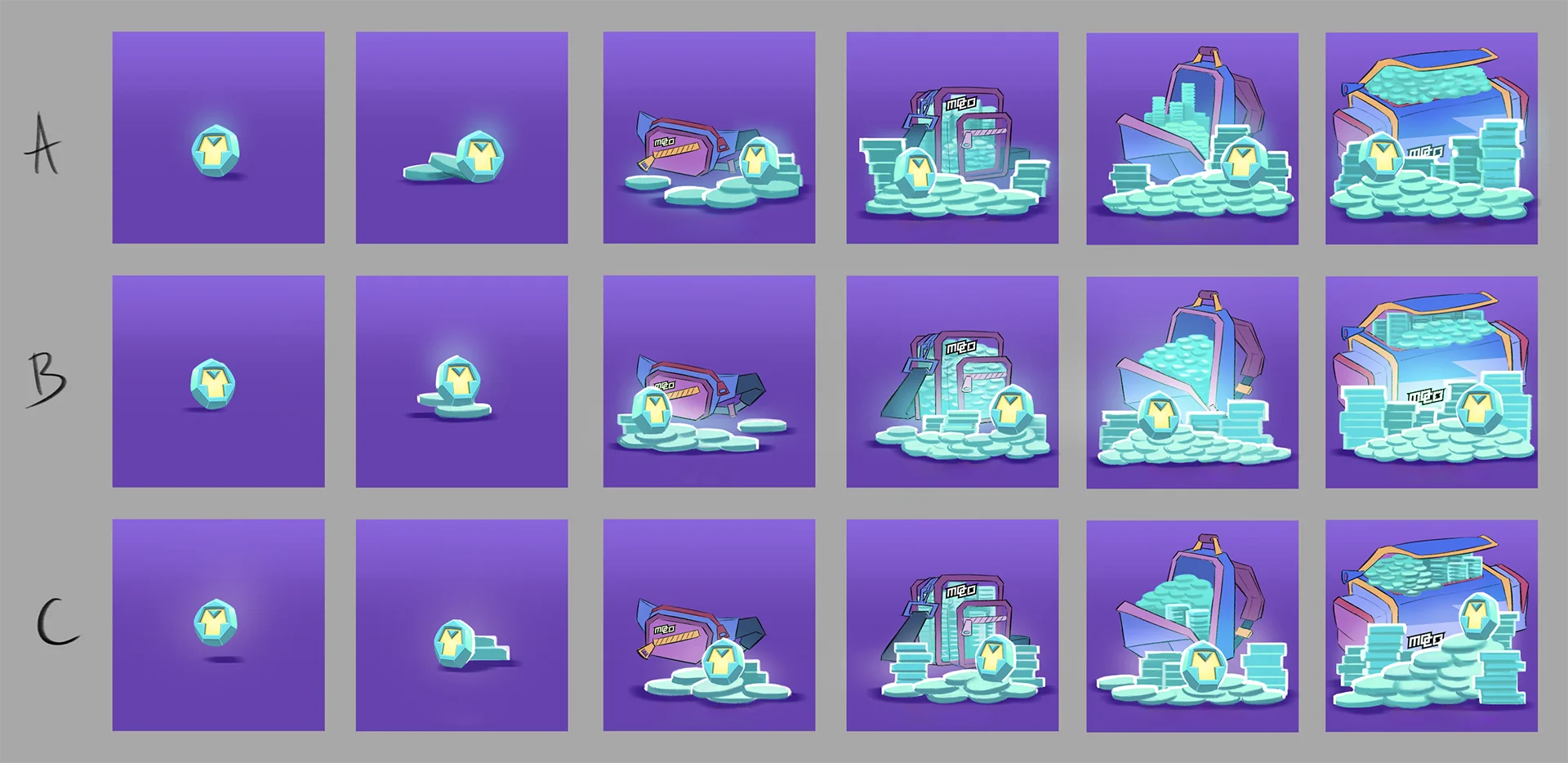
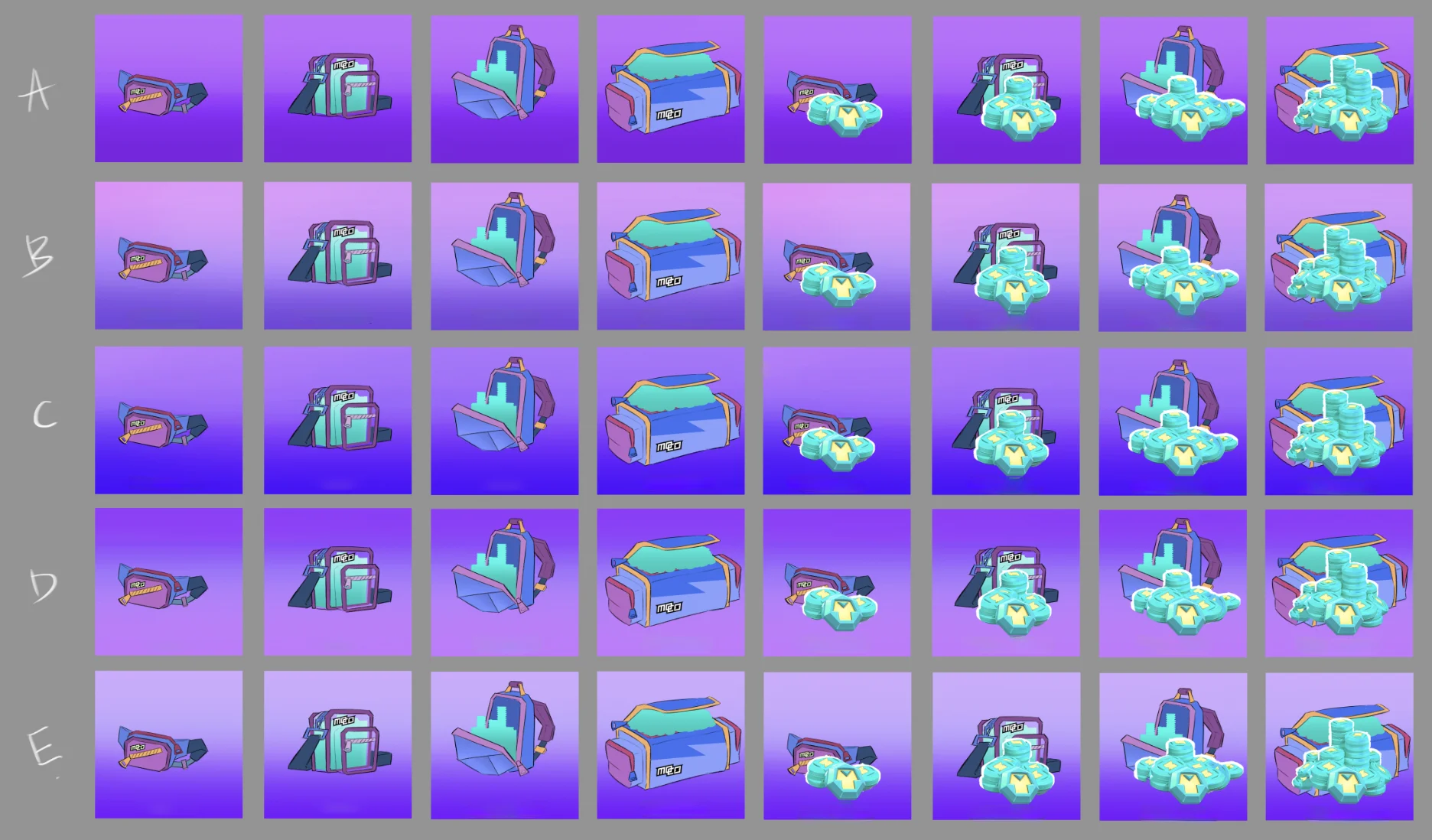
Color exploration was key to nailing the vibrant, chaos energy feel of mo.co. We tested various backgrounds and palettes, fine-tuning the layouts until the right mood and clarity were achieved.
3D RENDERED GAME ASSETS: PRODUCTION
After completing the design phase, we transitioned into 3D production. This involved:
- Modeling the assets based on approved concept art
- Developing the visual style and surface shaders
- Creating final 3D layouts
- Lighting the scenes for visual impact and dimensionality
- Building stylized backgrounds to enhance each composition
- Compositing, retouching, and detailed paintovers to perfect each image
BACKGROUNDS
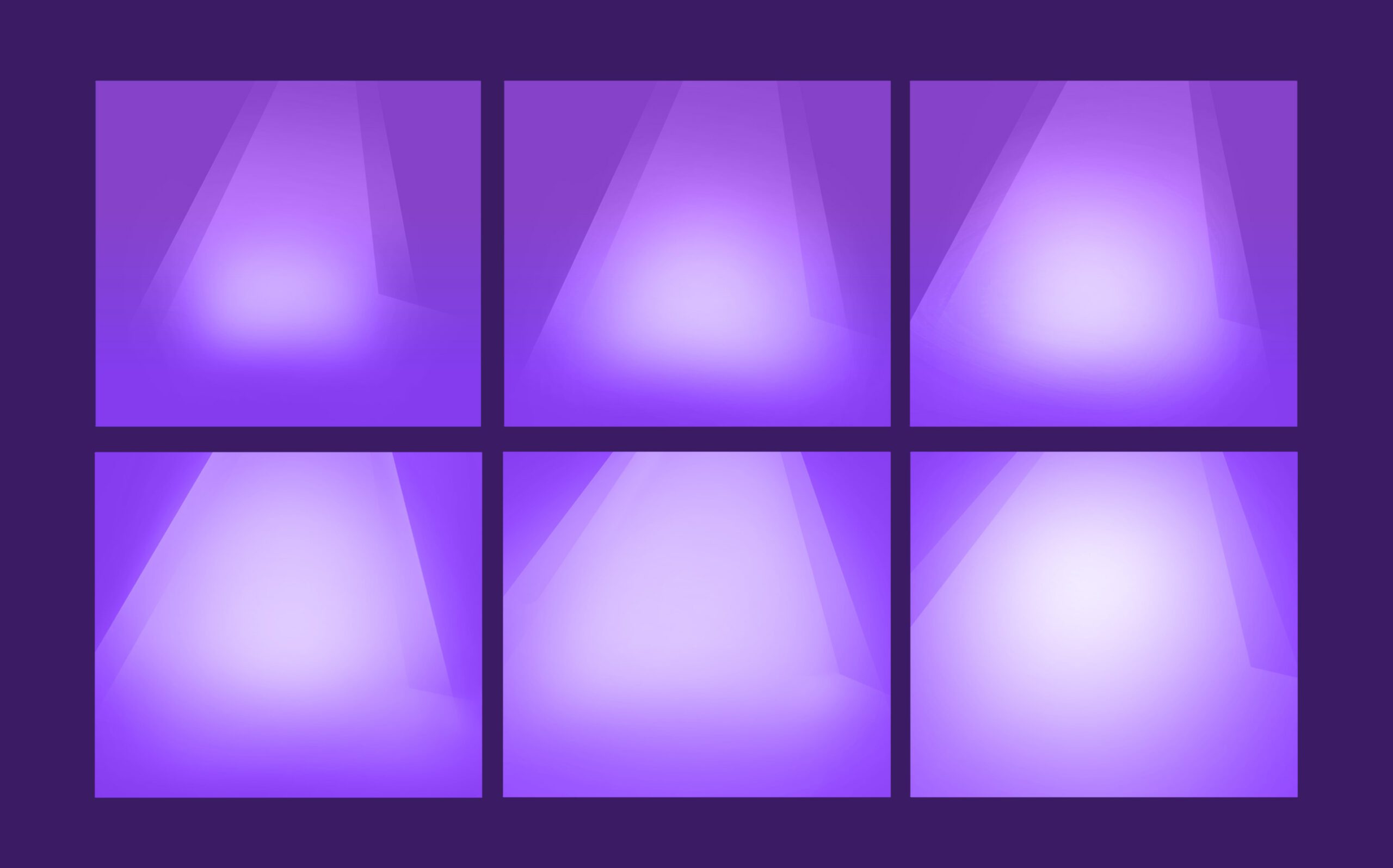
Each background was carefully designed to complement the hero asset without overpowering it. We experimented with depth, shape language, and subtle motion cues to create an immersive yet focused visual environment.
3D MODELS AND LAYOUTS
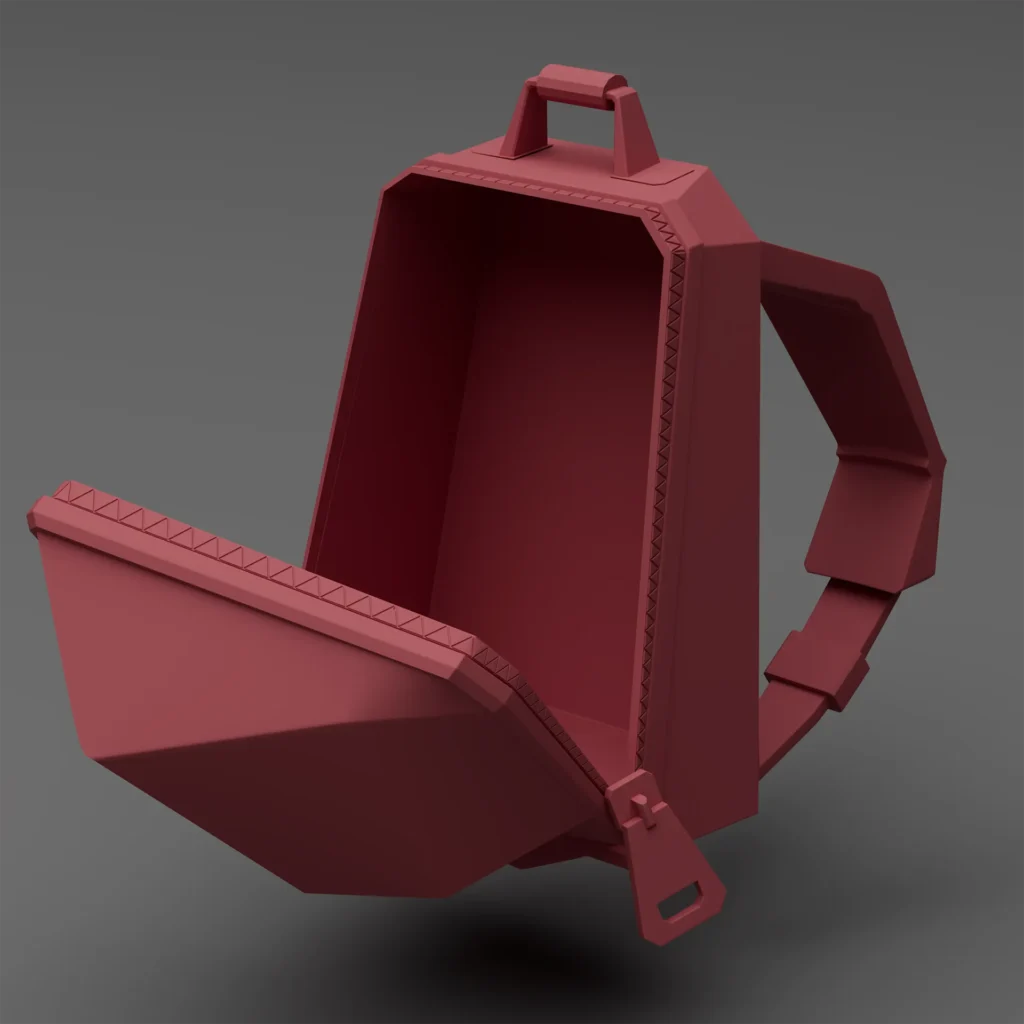
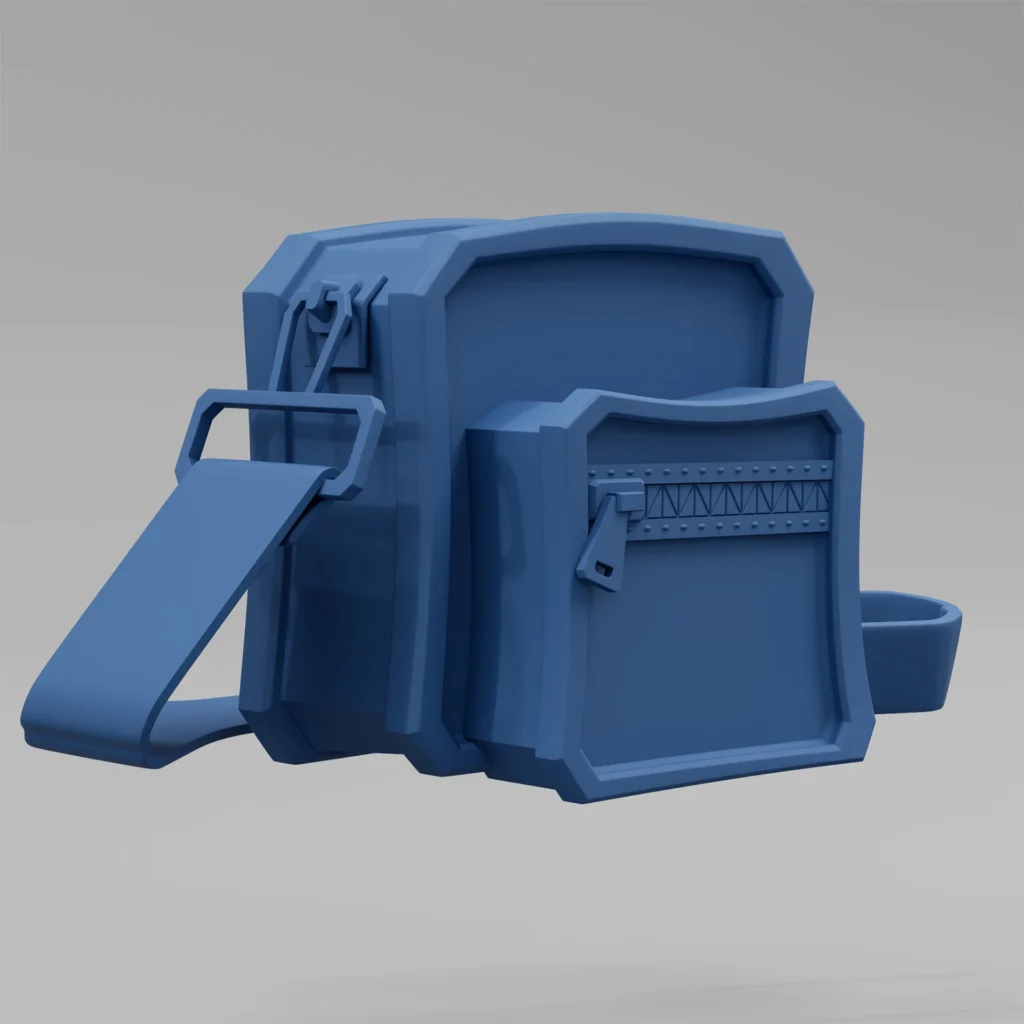
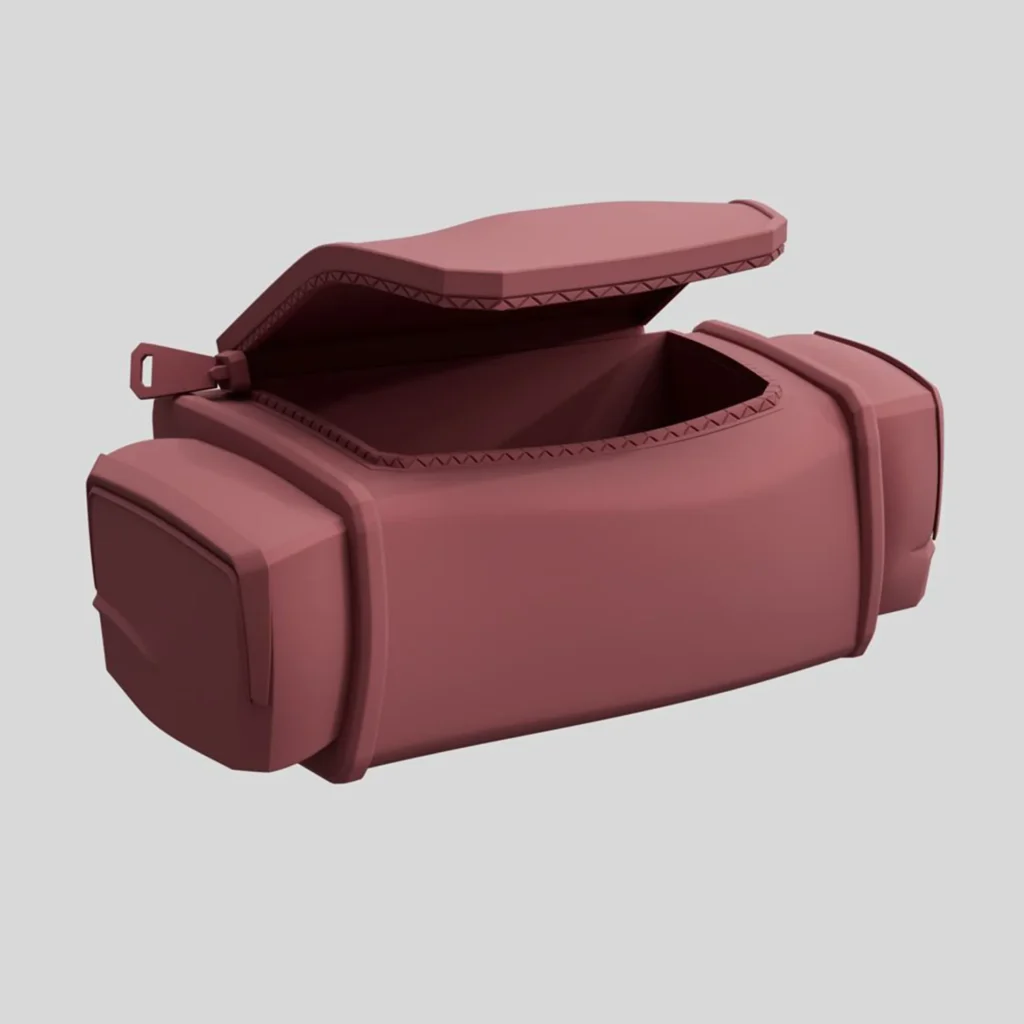
Modeling followed the final concept images closely. Layouts were composed to maximize clarity and visual balance while showcasing the scale and detail of the currency stacks.
LOOK DEVELOPMENT
In this stage, we fine-tuned the rendering style. This included adjusting shaders, lighting dynamics, and material properties to ensure that the final output matched mo.co’s signature look.
FINAL RETOUCHED STILL IMAGE ASSETS
With everything in place, we rendered high-resolution images of the assets. During the final retouching stage, we enhanced every detail—from edge highlights to ambient glow—to deliver polished, production-ready visuals.
3D RENDERED GAME ASSET PRODUCTION - CONCLUSION
This deep dive into creating 3D rendered assets for mo.co shows just how much craft, precision, and collaboration go into mobile game visuals. From creative chaos to final polish, the process kept us engaged and excited from start to finish.
If you’re curious about more game-related projects, check out our other work for Futureplay’s Merge Gardens, Rovio’s Angry Birds and Small Town Murders as well as Fingersoft’s Hill Climb Racing! Each one is a showcase of creative problem-solving and visual storytelling through 3D and 2D design.