Skip to content

Texturing in Animation: Storytelling Through Surfaces
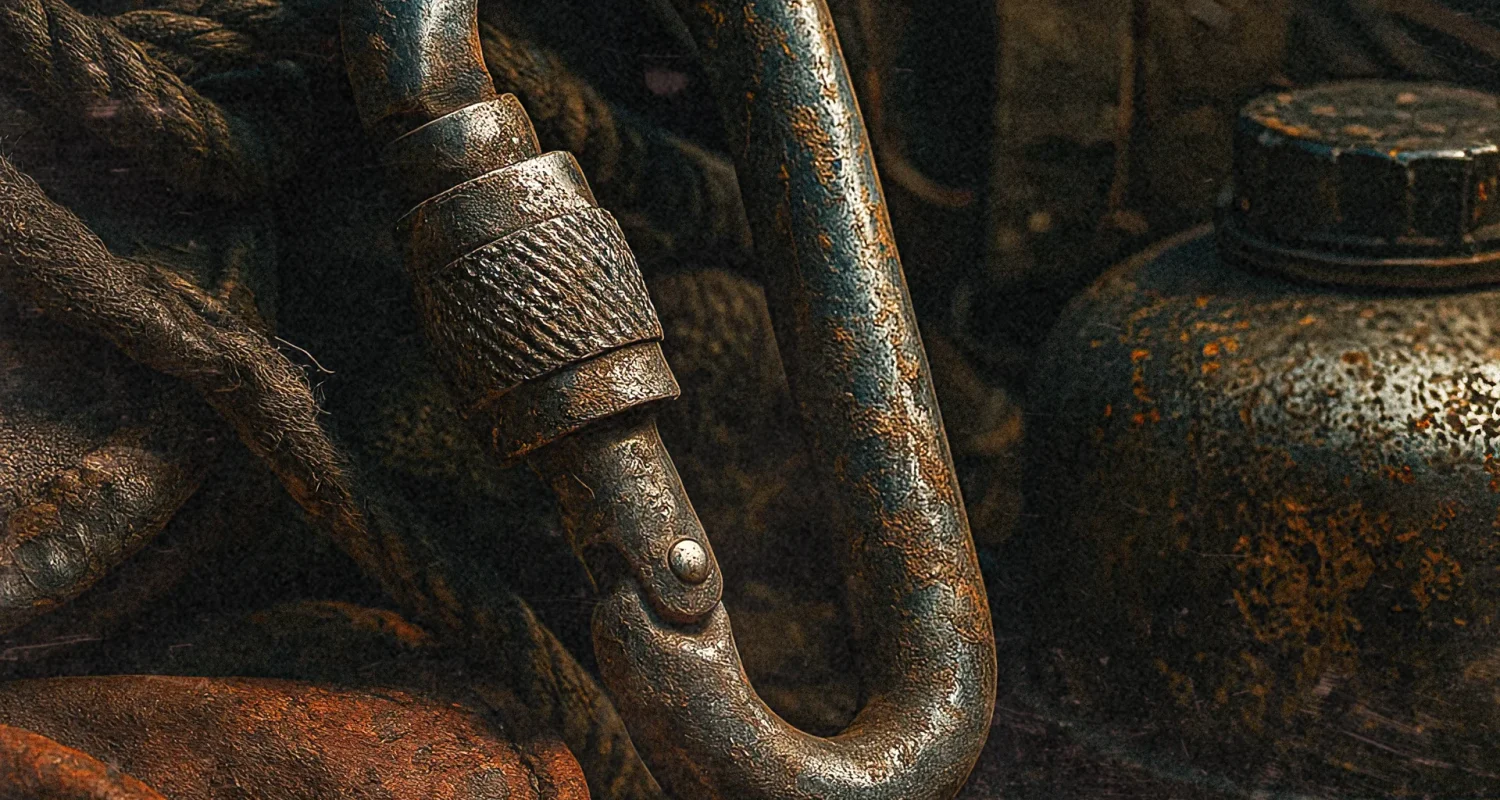
In 3D animation, modeling defines the form, rigging sets the movement, and lighting gives mood — but it’s texturing that breathes life into the surfaces. Texturing in animation is the art of applying detailed images and procedural patterns to 3D models, creating everything from rough stone walls to glossy chrome, from weathered leather to futuristic alloys. These textures don’t just cover surfaces. They tell a story, giving viewers an immediate sense of history, materiality, and atmosphere.
Check out some of the texturing magic behind the Oscar Award winning feature film: Pirates of the Caribbean – Dead Man’s Chest (2006) by Disney.
The Role of the Texture Artist
Texture artists play a critical storytelling role in animation. Their work often determines whether a world feels lived-in, futuristic, whimsical, or hyper-realistic. They use bitmap-based textures, procedural generation, or a combination of both to drive shader properties such as color, glossiness, roughness, displacement, and translucency.
A texture artist’s decisions are as impactful as those of a costume designer in film or a set designer in theater. Subtle choices about color, wear, and material properties create depth that enriches the story.

Texturing can also be incredibly subtle, but so important to give materials a sense of realism and depth. A still image from the Disney Pixar animated feature Toy Story 4.
Storytelling Through Textures
Textures can instantly convey character and world-building details without a single word spoken. Consider the pants of a main character:
Material choice: Are they denim, leather, or futuristic fabric?
Condition: Are they new, worn, patched, or torn?
History: Do they carry stains, marks, or discolorations that suggest backstory?
Context: Are they work gear, ceremonial clothing, or casual wear?
Evolution: Do they change as the story progresses, reflecting challenges, repairs, or transformations?
These seemingly small details influence how audiences perceive the character’s life and journey. Texturing transforms the abstract concept of “pants” into a tangible narrative element.
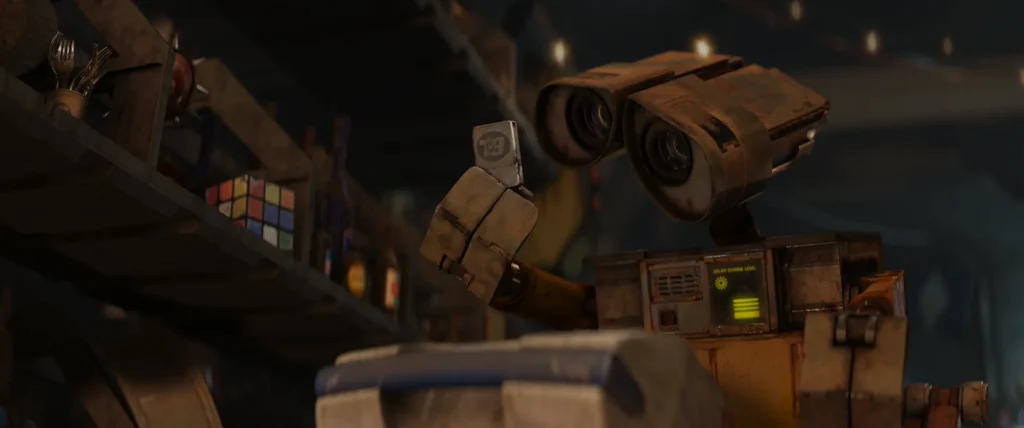
Another texturing masterpiece is the Disney Pixar feature animation WALL-E. Check out our cinematography case study of the film.
Realism, Stylization, and Artistic Intent
Texturing in animation isn’t always about realism. Sometimes it’s about pushing artistic intent:
Realism: Creating convincing wood grain, rust, and fabric weave that look authentic under close inspection.
Stylization: Crafting painterly brush strokes, cel-shaded surfaces, or flat graphic textures to match a unique visual style.
Hybrid approaches: Blending realistic textures with stylized forms to balance believability and artistic freedom.
The choice depends on the art direction and story goals of the production.
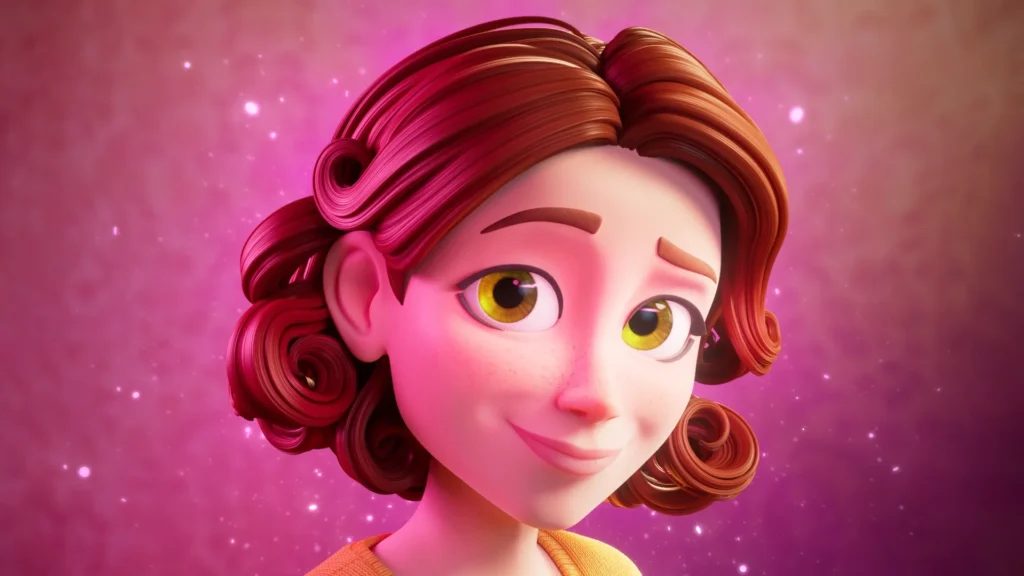
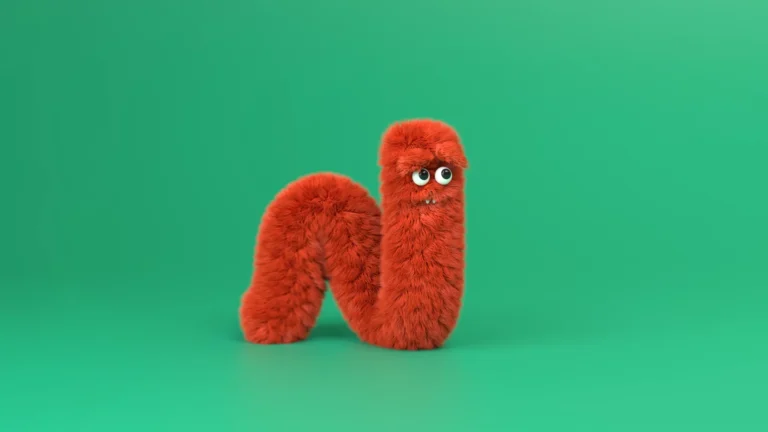
Texturing is not just about making objects look old, worn-out and rusty. Sometimes you just need a touch of detail to make an object or a character serve the story in the best possible way. A still image from the case study for Merge Mansion Hopeberry Juice Spike.
The Invisible Details: Subtle Storytelling
There’s an industry saying: “You can’t see them — but you can feel them.”
Subtle texture details, like faint scuff marks on a helmet or slight discoloration on a wall, may not be consciously noticed by viewers. Yet, they subconsciously add credibility, making the world feel more authentic and emotionally engaging.
When every artist on the team works with this mindset, the result is a film that feels story-rich and deeply considered.
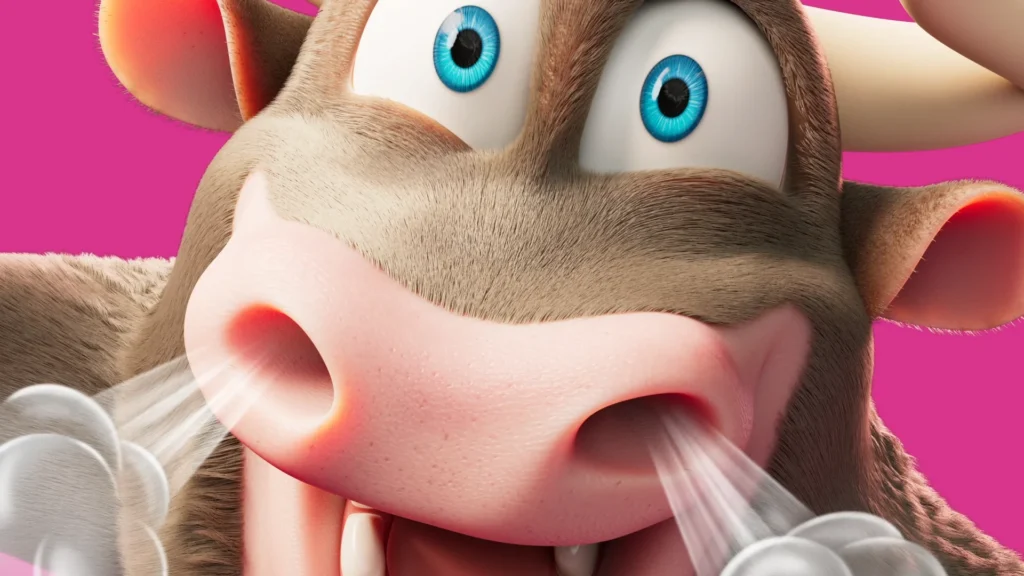
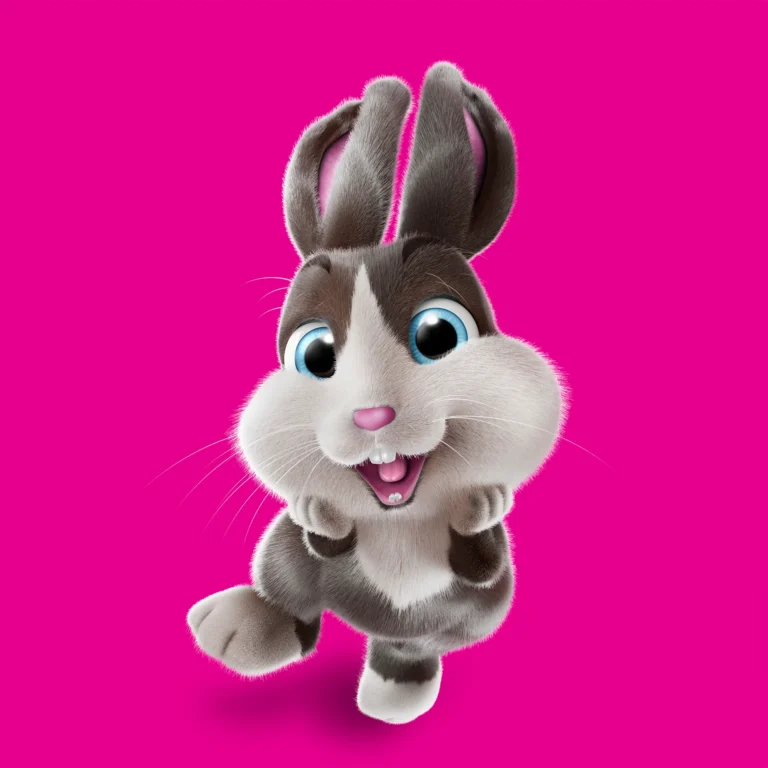
Texturing details give that magical feeling of stylized realism to cartoon characters as well. An image from a Joyful Animals project for DNA.
Collaboration and Pipeline Integration
Texturing doesn’t exist in isolation. Texture artists collaborate closely with modelers, look development artists, lighting teams, and compositors. Proper UV mapping, shader design, and render optimization all ensure that textures enhance rather than hinder production.
The key lies in balancing detail with efficiency — highly detailed textures must be managed in a way that supports smooth workflows, especially for large-scale productions.

Texturing is only one part of making great looking images. Consider taking a look at our blog post about lighting in animation.
Conclusion
Texturing in animation is more than surface decoration. It’s an essential layer of visual storytelling that gives characters and environments weight, history, and believability. Whether through realism or stylization, textures allow audiences to feel the unseen — connecting emotionally to a world that only exists on screen.
If you enjoyed this guide, make sure to check out other posts in our blog!
Need high quality 3D animations?
Don’t hesitate to get in touch!

Ilari Koskinen
Executive Producer
+358 40 773 7312
ilari@brinkhelsinki.com