Skip to content

Designing the Details: Prop Design in Animation
Everything you see in an animated production must be designed—and that includes props. From magical wands to worn-out backpacks and futuristic gadgets, prop design in animation plays a vital role in world-building and visual storytelling. While characters often steal the spotlight, props can be the secret heroes that add authenticity, mood, and functionality to your scenes.

What Is Prop Design in Animation?
Prop design refers to the creation of objects that characters interact with or that appear within the animated world. These elements can include anything from tools and vehicles to handheld objects and background items. The design process considers not only the visual appearance of each object but also how it fits the story, the world, and the characters using it.
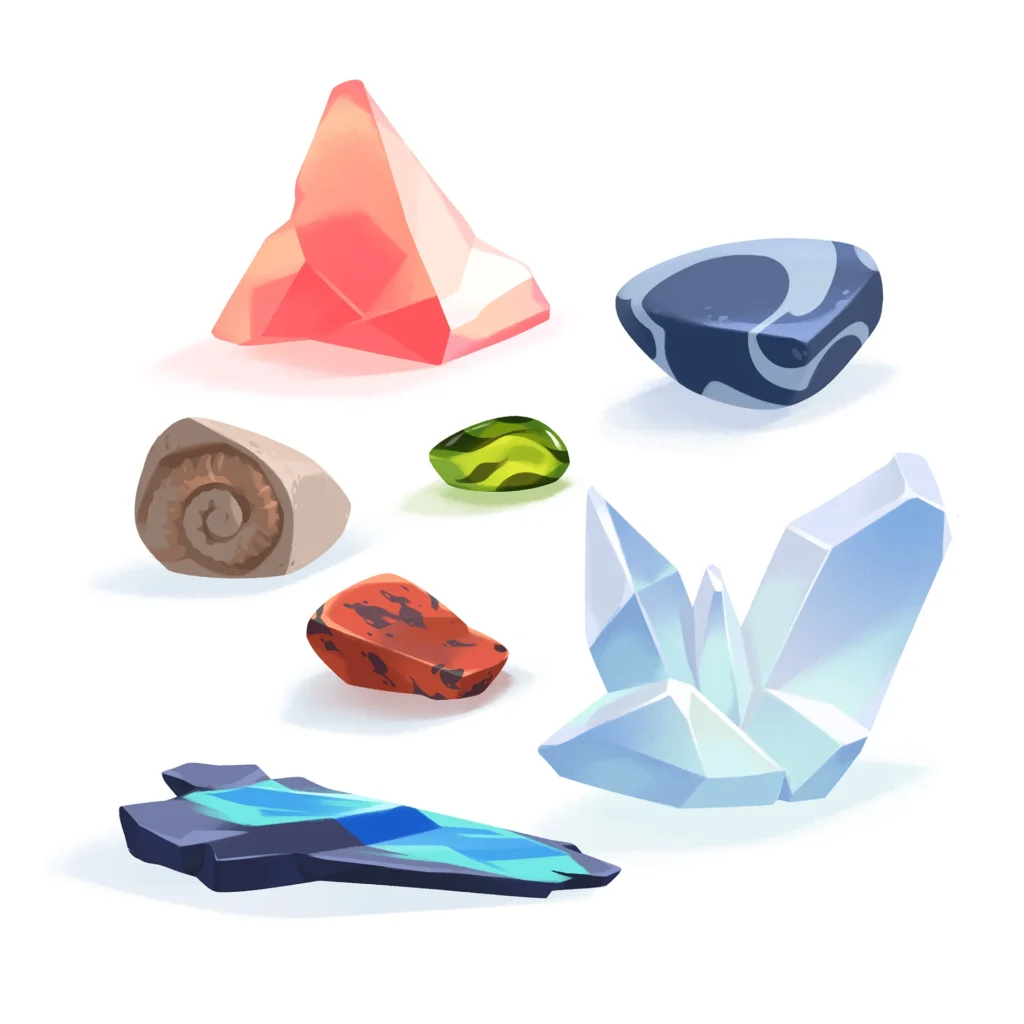
Prioritizing Design Resources
Not all props are created equal. In animation, certain items—often referred to as “hero props”—play a key role in the story. These may appear close to the camera, be used frequently by the characters, or hold significant symbolic meaning. For these, you should allocate more design time and creative effort.
Meanwhile, secondary or background props—like a pile of books on a shelf or kitchen utensils—still require design, but often through a more streamlined process. Understanding this hierarchy allows studios to use resources wisely while maintaining visual consistency.
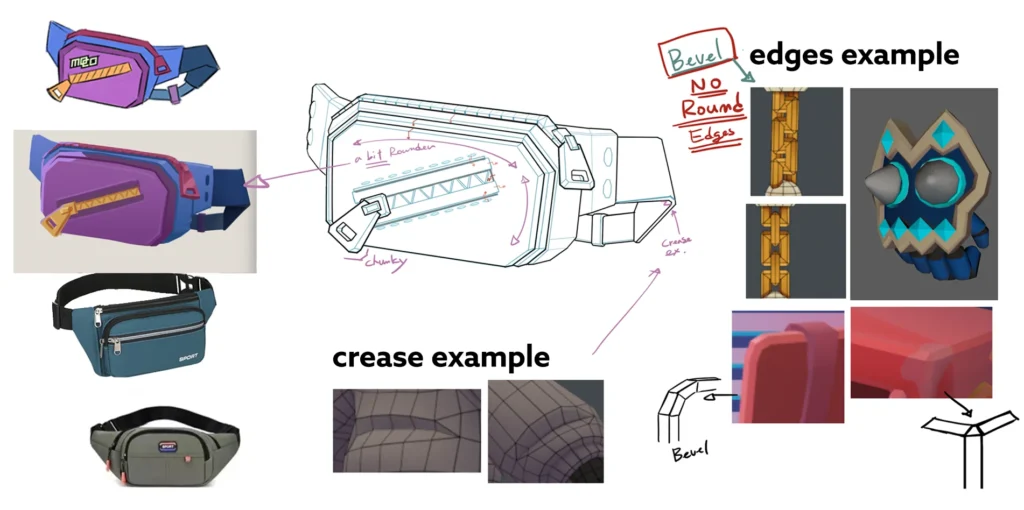
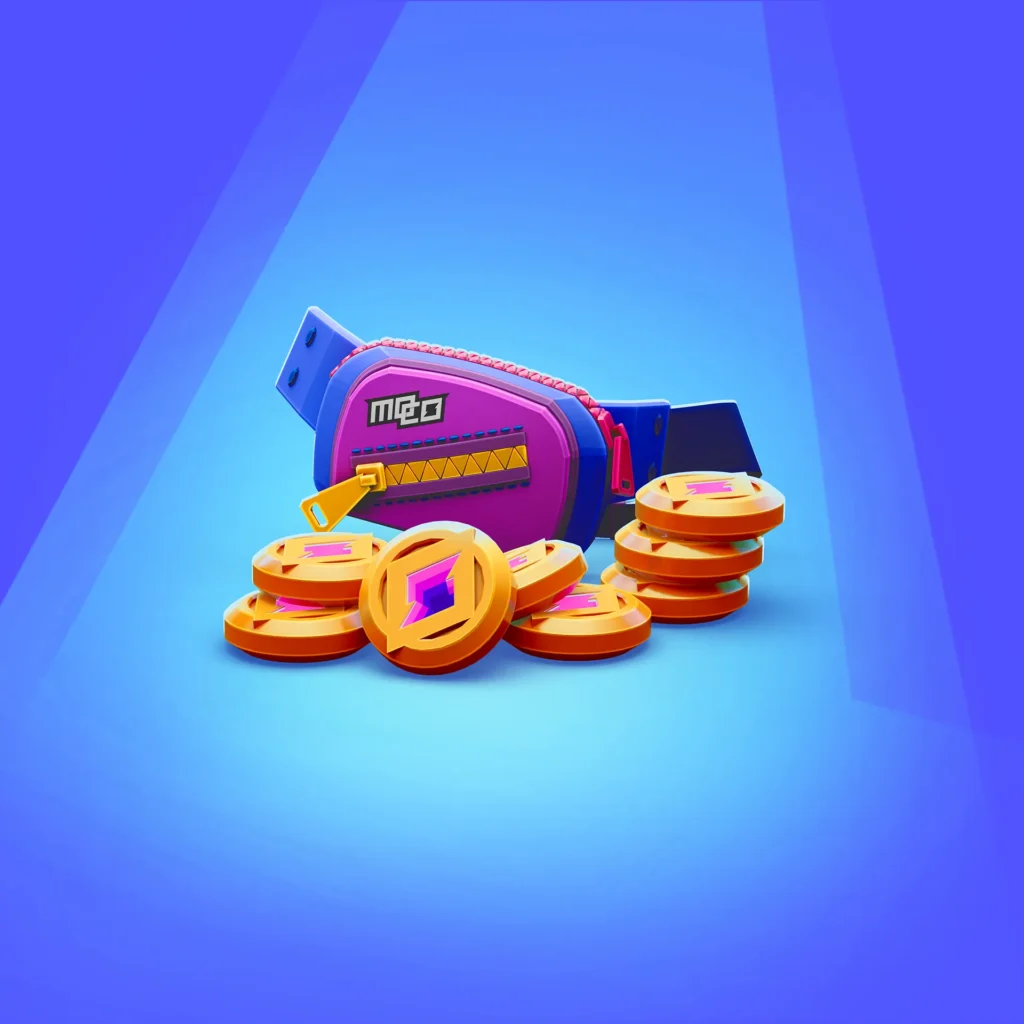
Prop Design as Visual Storytelling
Well-designed props aren’t just functional; they’re narrative tools. A single object can reveal character traits, foreshadow story developments, or provide visual humor. For example, a dented, homemade robot arm might instantly tell the viewer that a character is both scrappy and resourceful.
To maximize storytelling potential, every prop should be designed with intention. Ask questions like: Who owns this object? What does it say about their background, personality, or role in the story? How should it move, feel, or behave in animation?
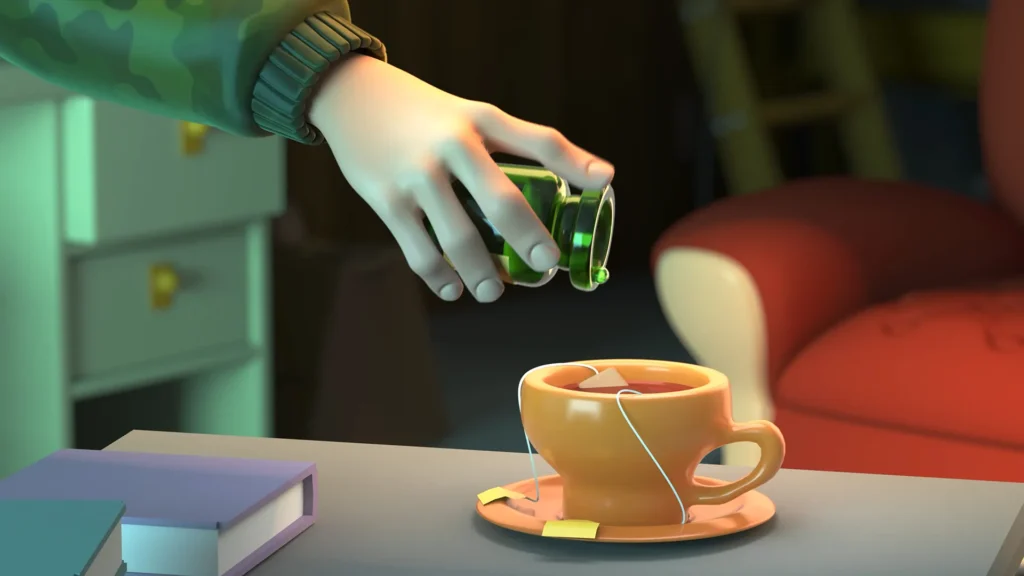
Matching the Visual Language
Every animation project comes with a unique visual style. Whether you’re working in ultra-realistic 3D or charming hand-drawn 2D, prop design in animation must align with the established look. Therefore, the prop design team must be in sync with the overall visual development team. Cohesion is key.
It’s also important that prop designers understand the broader world the animation takes place in. The materials, shapes, and details of a prop should feel like they belong to that world—even if that world is entirely fantastical.
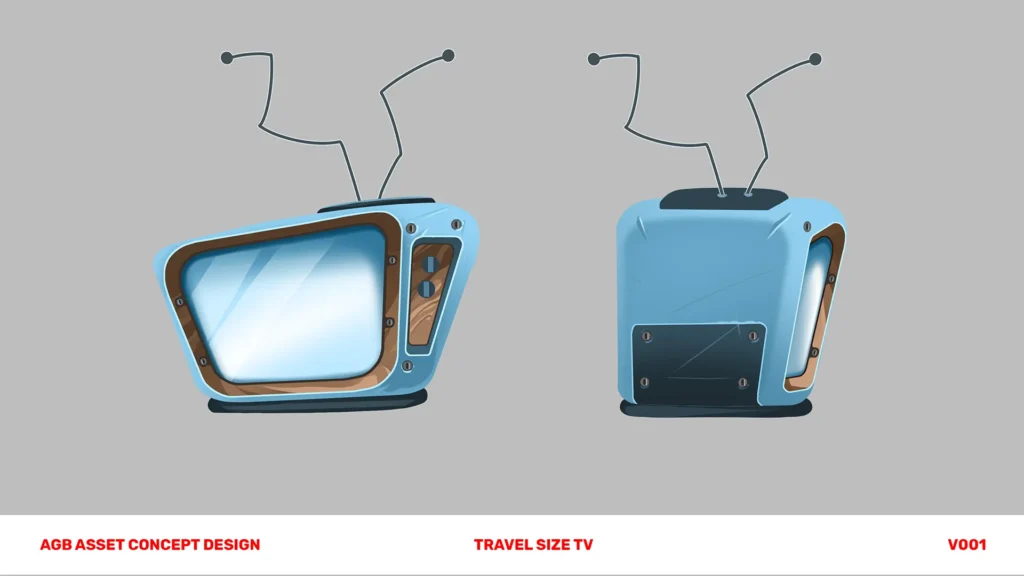
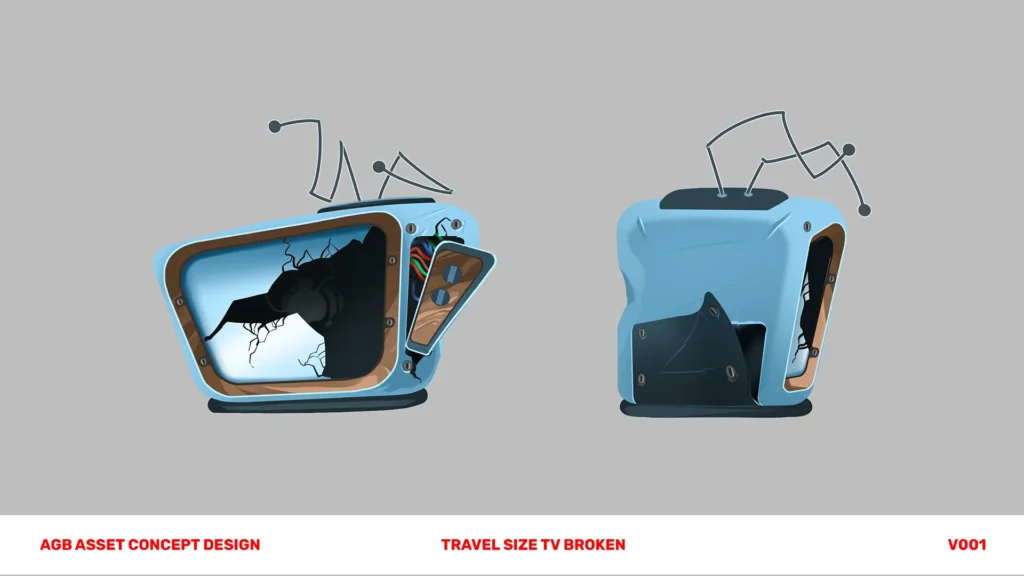
Who Designs Props?
In larger productions, dedicated prop designers are part of the pre-production team. In smaller projects, character or background designers might take on this responsibility. Regardless of the team size, designers should be chosen based on their experience and compatibility with the visual tone of the animation.
Often, digital illustration is the go-to method for concepting props. Designers may also use photo bashing, 3D blocking, or even physical models to communicate ideas. Once approved, the prop designs are handed off to the modeling and texturing team (in 3D pipelines) or directly to layout and animation (in 2D).
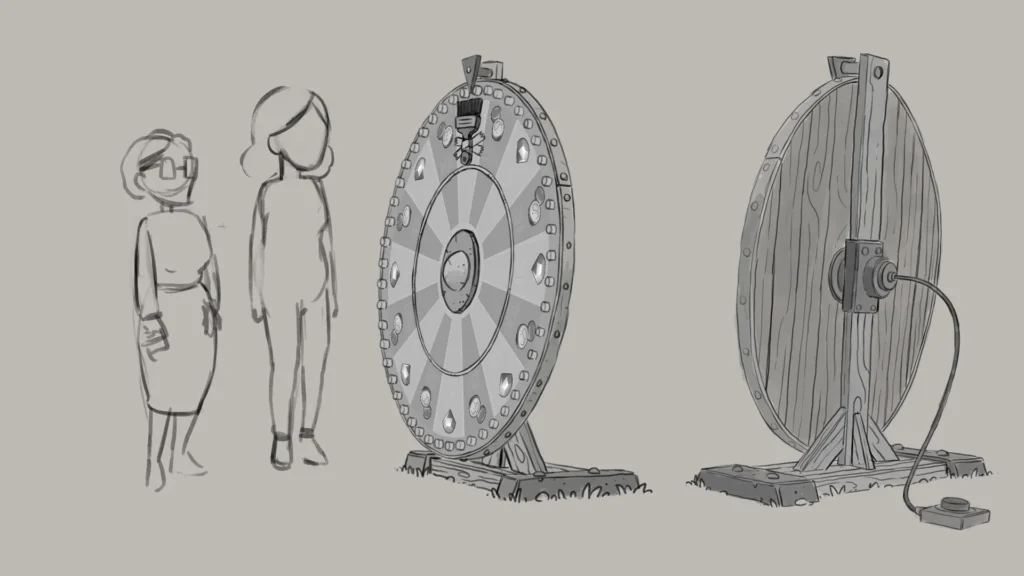
Design Principles That Elevate Props
Strong prop design combines artistic flair with practical design principles. Here are a few that matter most:
- Silhouette Clarity: A prop should be instantly recognizable by shape alone.
- Functionality: Think about how the object is used—could a character realistically hold or interact with it?
- Material Indication: Use texture, linework, or shading to suggest what the object is made of. realistically hold or interact with it?
- Visual Hierarchy: Focus detail where it matters most (usually toward the camera or hand contact points).
- Stylization Balance: Match the complexity and exaggeration of the broader animation style.
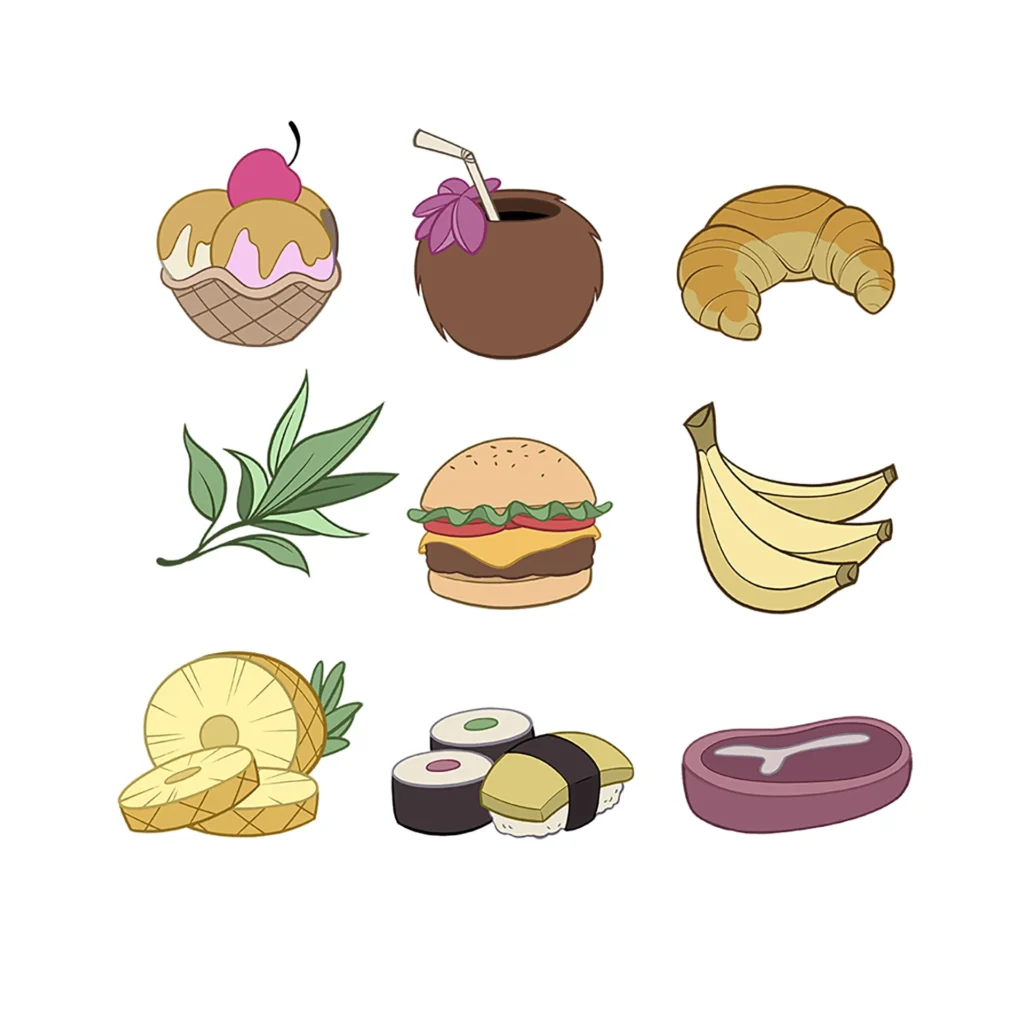
Prop Design Tips for High-End Animation
To really push the quality of your prop design:
- Use real-world references, even for fantastical props.
- Design in context—consider how the prop appears in a scene or interacts with characters.
- Iterate quickly using thumbnail sketches before locking in details.
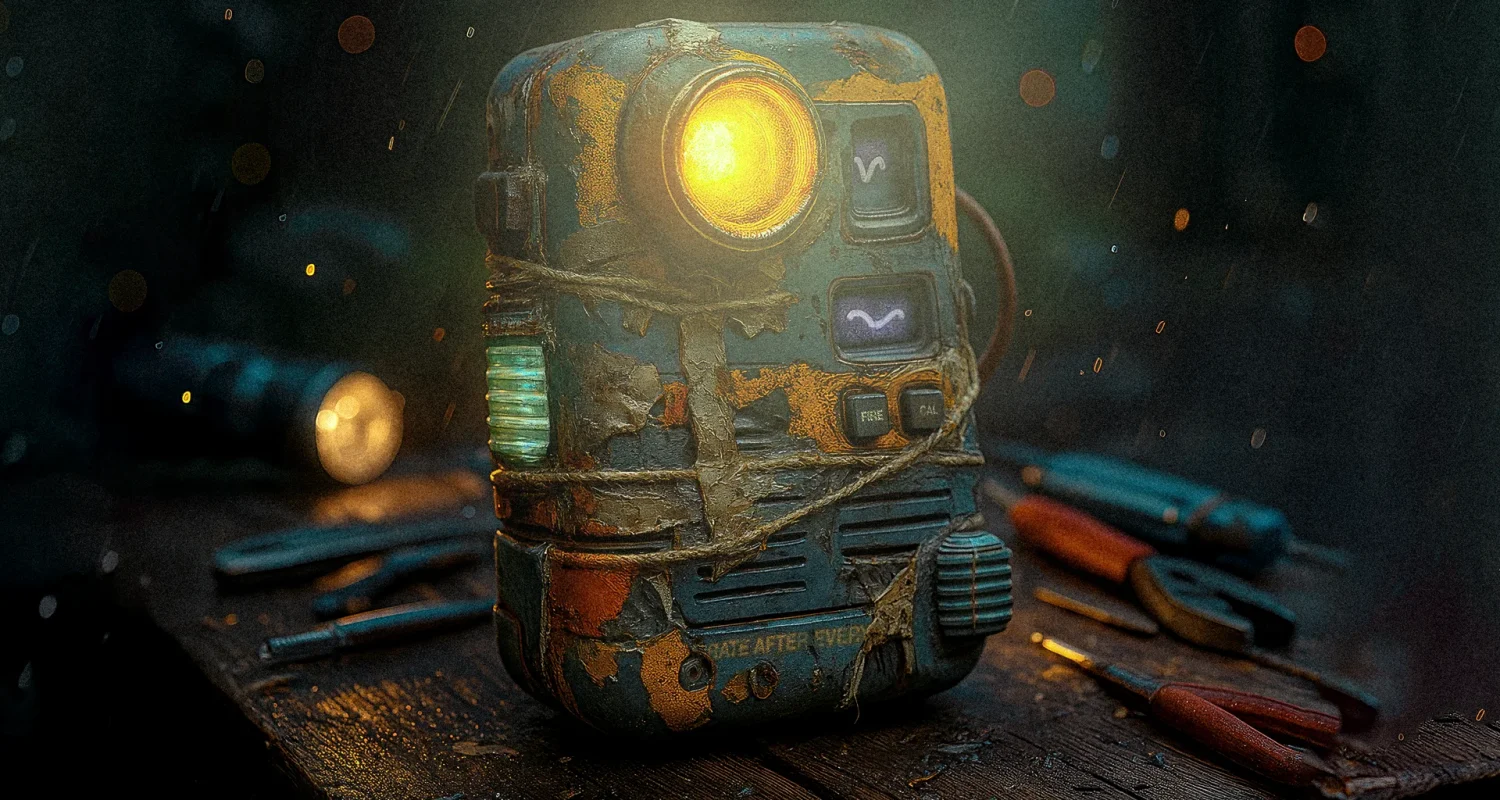
- Think about wear and tear—weathering and imperfections can add story depth.
Remember, even the smallest object in a frame is a chance to communicate something meaningful to your audience. Don’t waste it!
If you enjoyed this guide, make sure to check out other posts in our blog!
Need design work in your production?
Don’t hesitate to get in touch!

Ilari Koskinen
Executive Producer
+358 40 773 7312
ilari@brinkhelsinki.com