Lighting in Animation: Shaping Mood, Depth, and Storytelling
Lighting in animation is not just about visibility—it’s about shaping the narrative, setting the mood, and guiding the viewer’s eye. The way light interacts with a scene can evoke emotion, enhance realism, and create visual depth, making it one of the most powerful storytelling tools in animation.
This guide explores the core principles of lighting in animation, covering light positioning, shape, color, intensity, and animated lighting effects. By understanding these elements, animators and designers can create cinematic, high-end lighting solutions that elevate their storytelling. Lighting is a key part of cinematography, which we have covered in a separate post. Check it out as well!
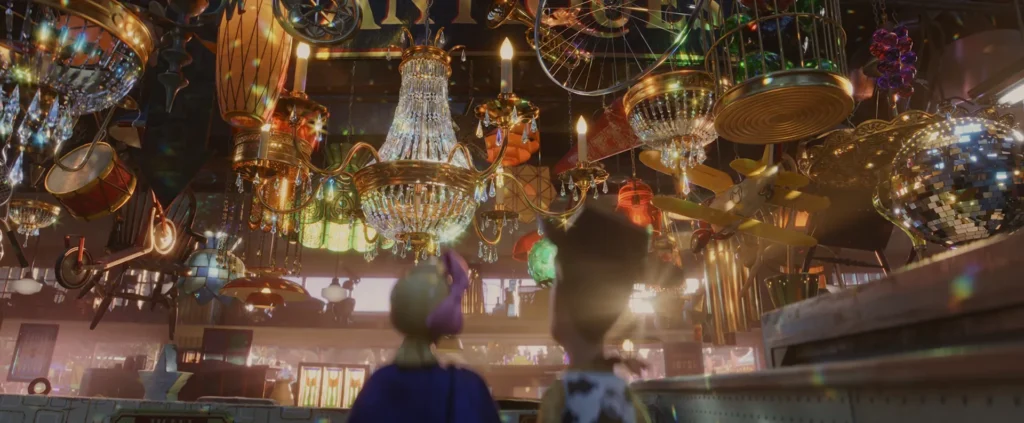
This blog posts uses visual material from the Disney Pixar feature animation Toy Story 4 because it’s smart to study the masters!
The Three Core Purposes of Lighting in Animation
As with many aspects of animation, lighting is an artform within an artform. It serves three key purposes in a shot:
1️⃣ Supporting Storytelling – Lighting directs attention, establishes scene tone, and enhances emotional impact.
2️⃣ Bringing Out Three-Dimensionality – Light helps define depth, volume, and texture within a scene.
3️⃣ Creating Mood and Atmosphere – Different lighting choices evoke different emotional responses, from warmth and nostalgia to tension and mystery.
To master lighting, artists must understand three key factors:
✅ Position of the light
✅ Shape of the light
✅ Color and intensity of the light
Let’s break them down.
Position of the Light: Defining Subject and Depth
The placement of lights dramatically influences shadows, highlights, and depth in a scene. One of the most widely used techniques is three-point lighting, a standard setup in both live-action cinematography and animation.
The Three-Point Lighting System
🔹 Key Light – The primary and most intense light source, positioned at a 45-degree angle from the subject.
🔹 Fill Light – A secondary light placed on the opposite side of the key light, typically at half intensity, softening shadows.
🔹 Backlight – A light positioned behind the subject, helping to separate them from the background and enhance depth.
This setup forms the foundation of cinematic lighting and provides a balanced, natural look.
📌 Pro Tip: Moving lights closer or farther from the subject affects intensity, while shifting them higher or lower influences mood and shadow placement.
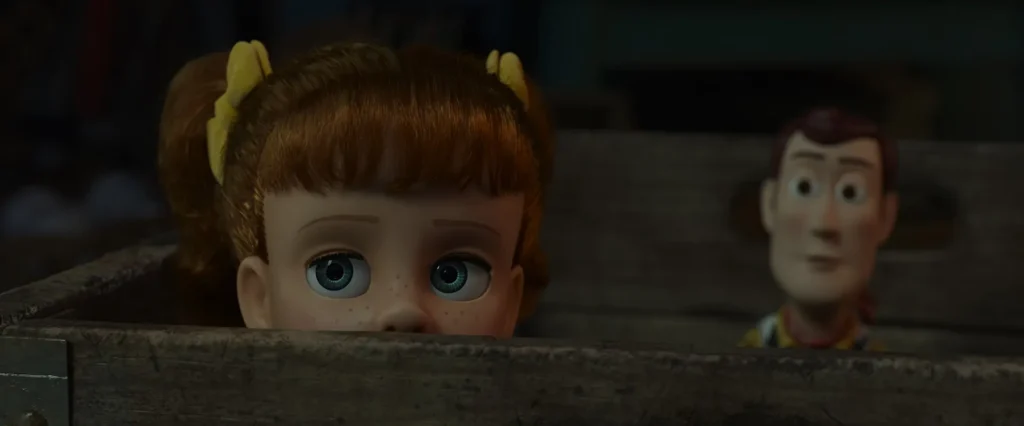
This example showcases a three-point lighting setup in a low-key lighting environment. Notice how the key light and rim light are motivated by visible practical sources—the table lamp bounces light off white paper, while the rim light is enhanced by a lampshade behind the subject. In many cases, practical lights like these are extended by off-screen light fixtures to achieve the desired intensity and balance.
Shape of the Light: Hard vs. Soft Shadows
The size and shape of a light source dramatically affect how shadows and reflections appear.
- Small Light Sources – Produce sharp, hard shadows with strong contrast.
- Large Light Sources – Create soft, diffused shadows, mimicking natural lighting conditions.
In live-action cinematography, filmmakers use diffusion panels, softboxes, and reflectors to shape light. With animation, these physical effects must be manually simulated, making it crucial to understand real-world lighting principles.
Beyond the Light Source: Using Light Modifiers
Lighting doesn’t only depend on the source itself—objects placed between the light and the subject can modify the way light behaves.
Cucoloris (or “cookie cutter”) – A stencil-like tool that casts patterned shadows, such as light filtering through tree leaves.
Gobos – Objects placed between the light and subject to create specific shadow designs.
Black Flags (Negative Fill) – Instead of adding light, these subtract it by absorbing reflections, creating deeper shadows and stronger contrast.
These techniques bring cinematic realism and artistic intent into an animated scene.
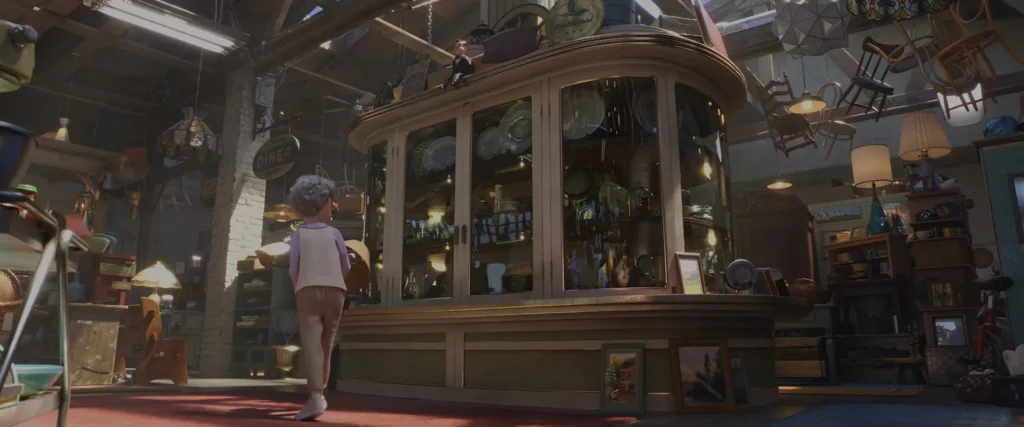
Color and Intensity: Crafting Atmosphere
Every light source has a unique intensity and color temperature that affects the final look.
🎨 Mood & Atmosphere – A warm golden glow suggests coziness, while a cold blue tint creates isolation.
🌅 Time of Day – The sun’s color temperature shifts based on location, time, and season.
🎭 Scene Emotion – High-contrast, intense lighting builds drama, while soft lighting creates a relaxed tone.
Balancing Light & Camera Settings
Lighting interacts with the camera’s exposure and white balance. Animators must carefully match light temperatures and intensities to achieve a cohesive and realistic look.
🔎 Example: A glowing red-hot iron has a distinct temperature and intensity. Understanding these properties allows artists to create accurate, immersive visuals.
Animating Light for Realism and Impact
Although lighting is often considered a static element, it can also be dynamically animated to enhance storytelling. Light movement and fluctuation add richness and realism to a scene.
🚗 Car headlights sweeping across a room as they pass outside.
⚡ Lightning flashes illuminating a stormy night.
🔥 Flickering candlelight, adding organic movement to a scene.
🚨 Pulsing emergency vehicle lights, building urgency.
Animated lighting is a powerful storytelling tool, making scenes feel dynamic and immersive.
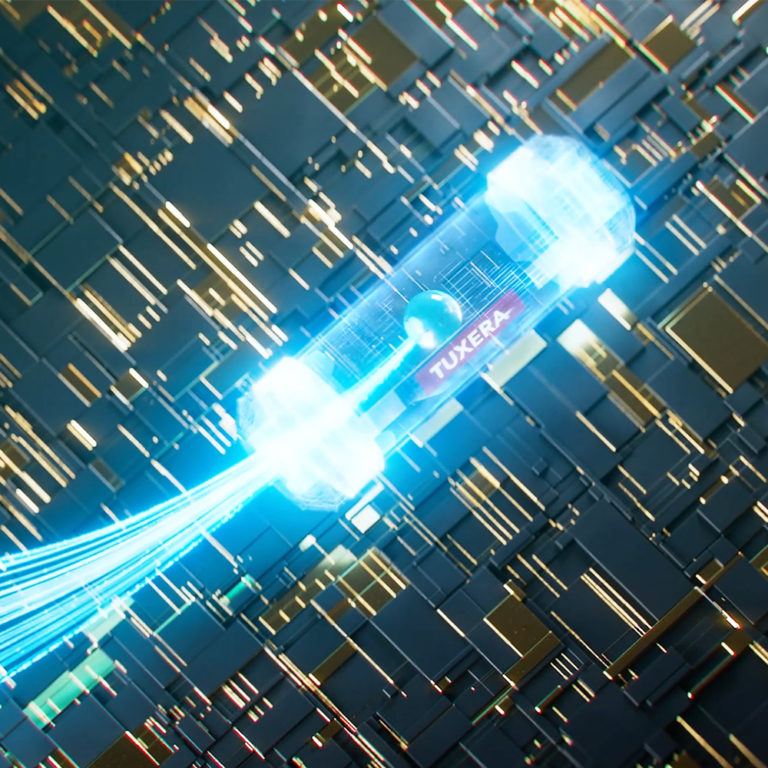
This scene is a brilliant example of animated lighting. By setting the action inside a pinball machine, the lighting concept feels both dynamic and familiar. The blinking, colorful lights of a pinball machine create a visually compelling and practically motivated nightclub-like atmosphere, making the scene feel immersive and authentic.
Natural, Synthetic, and Practical Lighting
There are three primary approaches to lighting in animation:
🌞 Natural Light (Sunlight & Reflections)
- Simulates real-world sunlight and ambient reflections, mimicking how natural light behaves at different times of the day.
💡 Synthetic Light (Studio & Cinematic Lighting)
- Mimics traditional film set lighting, where light sources are placed specifically for artistic control rather than realism.
🔥 Practical Light (Visible Light Sources in the Scene)
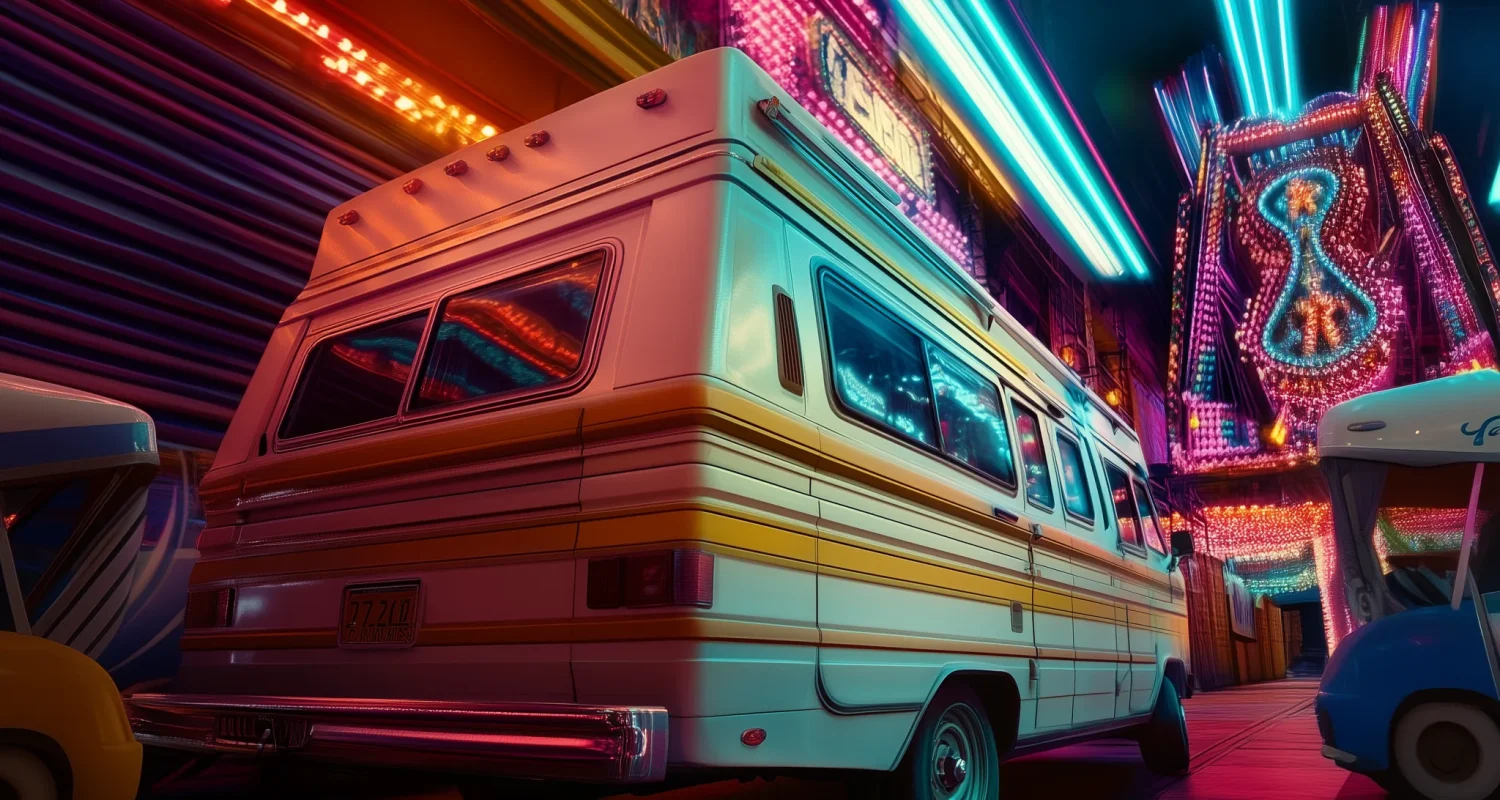
- Includes visible light sources within a scene, such as street lamps, flashlights, candles, or neon signs. These practical lights are often reinforced with additional hidden lighting to ensure proper illumination while maintaining a realistic look.
Practical lights enhance realism by making light sources visible within the frame. Often, these are combined with synthetic lights for more controlled illumination.
Lighting exterior daytime scenes may seem straightforward, but they can be surprisingly challenging. We’re all highly familiar with how outdoor light looks and behaves, making it crucial to get the details just right in animated scenes. Direct sunlight is naturally harsh, so subtle control is essential to achieve an artistically pleasing result—one that enhances the subject while preserving the authentic feel of outdoor lighting.
Why Real-World Lighting Knowledge Matters in Animation
Mastering lighting in animation is about understanding real-world principles while taking advantage of the creative freedom digital tools provide. By carefully considering light positioning, shape, color, intensity, and animation, artists can create cinematic, immersive, and visually striking scenes.
Final Thoughts on Lighting in Animation
High-quality lighting doesn’t just make a scene look beautiful—it strengthens storytelling, enhances depth, and guides the viewer’s emotional response. Whether replicating a sunset’s golden glow or crafting a stylized neon cityscape, every light source contributes to the final visual experience.
By following these principles and techniques, animators can achieve industry-leading lighting setups that bring their stories to life.
Key Takeaways
✅ Use three-point lighting for professional, balanced setups.
✅ Experiment with light shape to achieve soft or hard shadows.
✅ Control color temperature and intensity for realism and storytelling.
✅ Animate light sources to add dynamism and emotion.
✅ Utilize natural, synthetic, and practical lighting effectively.
Master these lighting principles, and your animations will instantly elevate in cinematic appeal.
If you enjoyed this guide, make sure to check out other posts in our blog!
Need marketing animations with cinematic lighting?
Don’t hesitate to get in touch!
Molla Karjaluoto
Executive Producer
+358 40 776 0108
molla@brinkhelsinki.com