Skip to content


Character Animation: The Art of Bringing Characters to Life
Character animation is often the most vital part of any animation production. Whether it’s a human-like figure, an anthropomorphic animal, or even a tomato with hands and legs, character animation brings characters to life and gives them a personality that connects with the audience.
Great character animation requires attention to detail, a strong understanding of movement, and the ability to evoke emotion through action. In this guide, we’ll explore what makes character animation truly engaging and how these principles apply across various animation productions, including high-end marketing films and user acquisition videos.
The Foundations: Principles of Character Animation
Animation as an art form has a rich history, with the 12 principles of animation developed by Disney animators in the 1930s serving as its foundation. These principles remain highly relevant today and provide a framework for assessing and creating high-quality character animation. Here are some of the key principles, illustrated in animated form by Alan Becker:
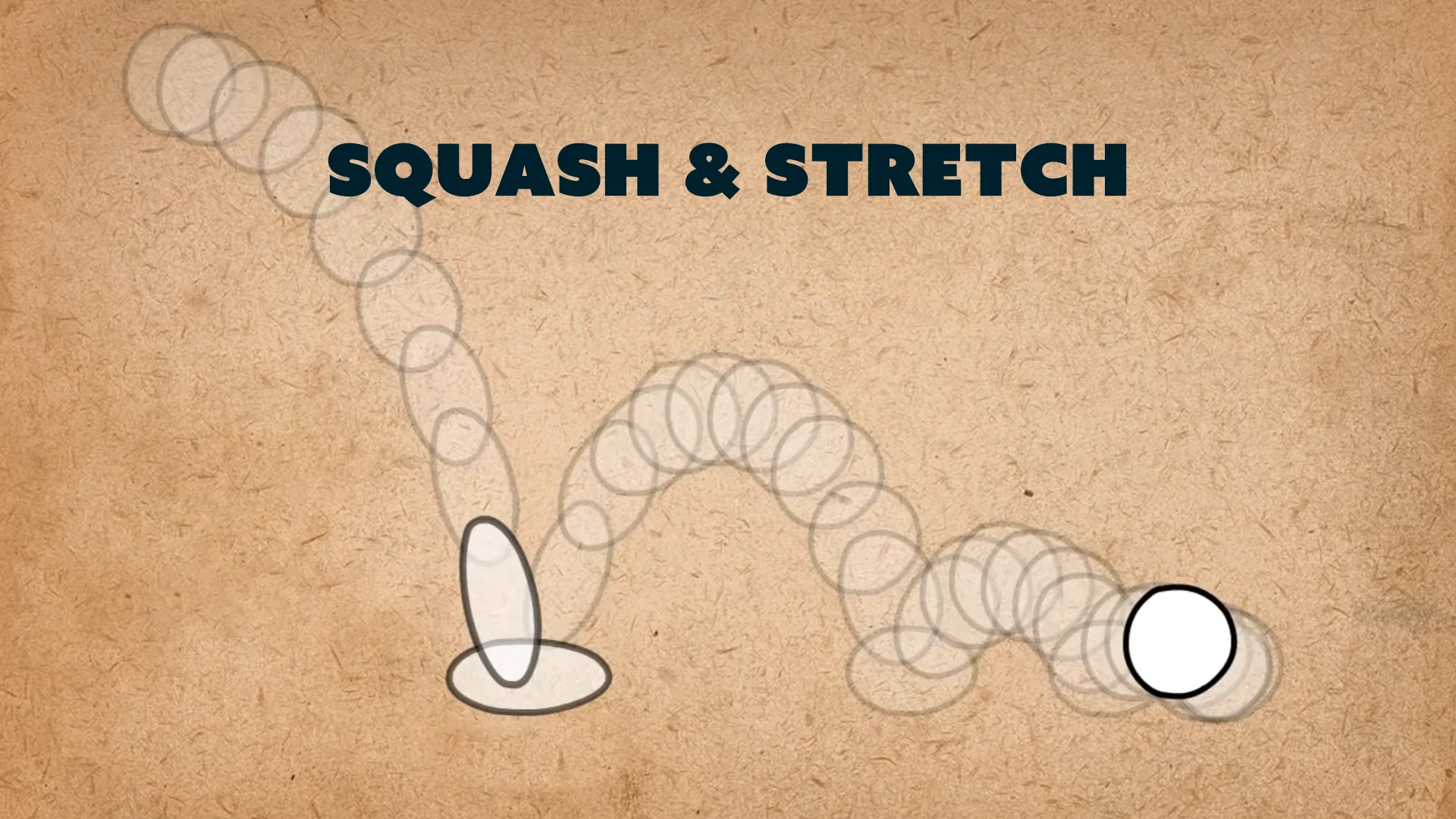
1. Squash and Stretch
This principle creates a sense of weight and flexibility in objects. For example, when a ball bounces, it stretches as it accelerates and squashes as it decelerates. Applied to characters, squash and stretch add energy, realism, or even humor.
2. Anticipation
Anticipation involves a small preparatory action that hints at the main movement to come. Before a character throws a ball, their body shifts back, priming for the forward motion. This makes movements feel natural and builds excitement.

3. Staging
Staging is akin to composition in art. It ensures that the audience’s attention is drawn to the most important element in a scene, whether it’s a movement, a facial expression, or an interaction between characters.

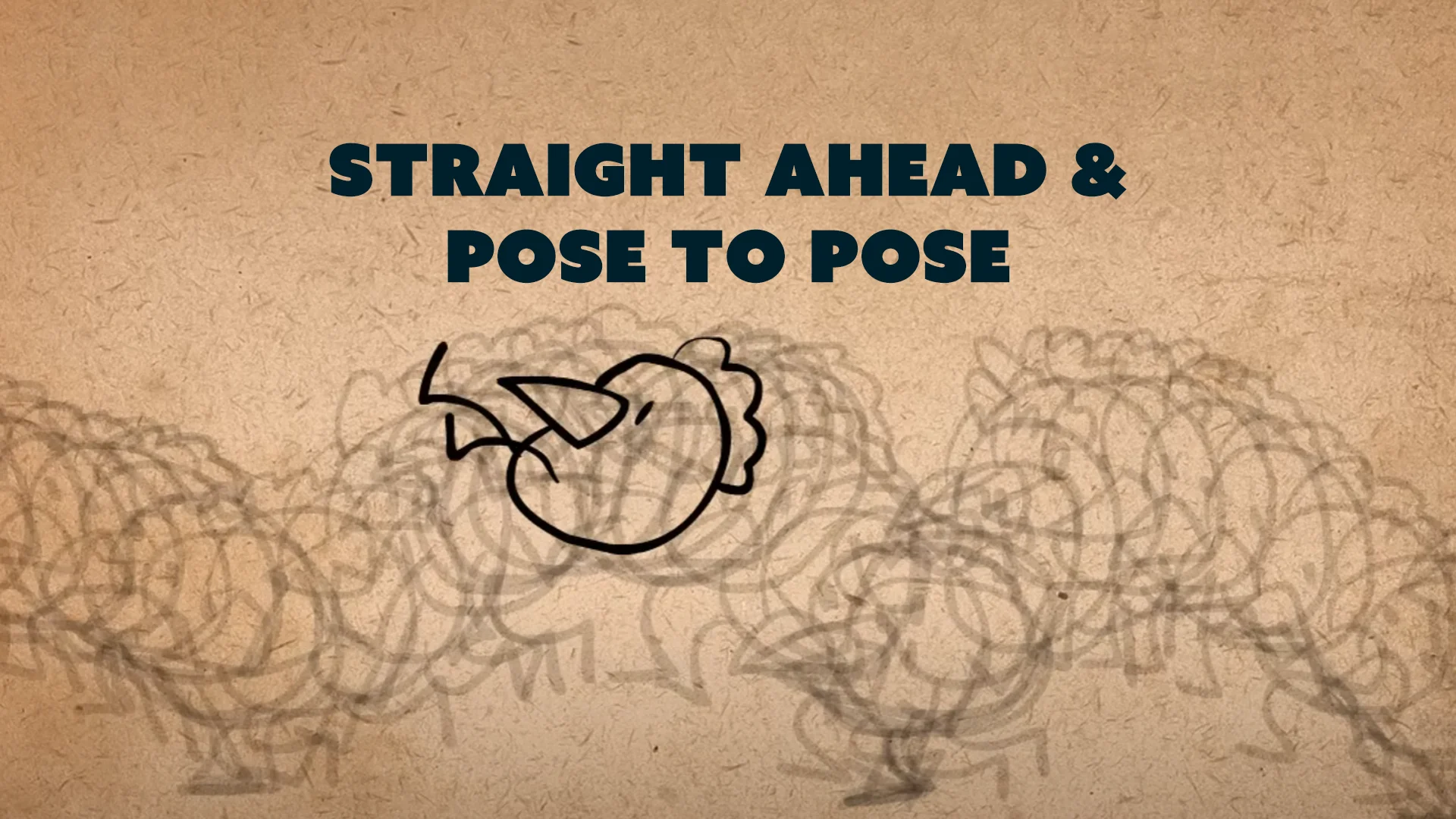
4. Straight Ahead Action and Pose to Pose
These two methods address how animation is created. Straight ahead action involves animating frame by frame from start to finish, while pose to pose involves creating key frames first and then filling in the transitions. Both approaches serve different storytelling needs.
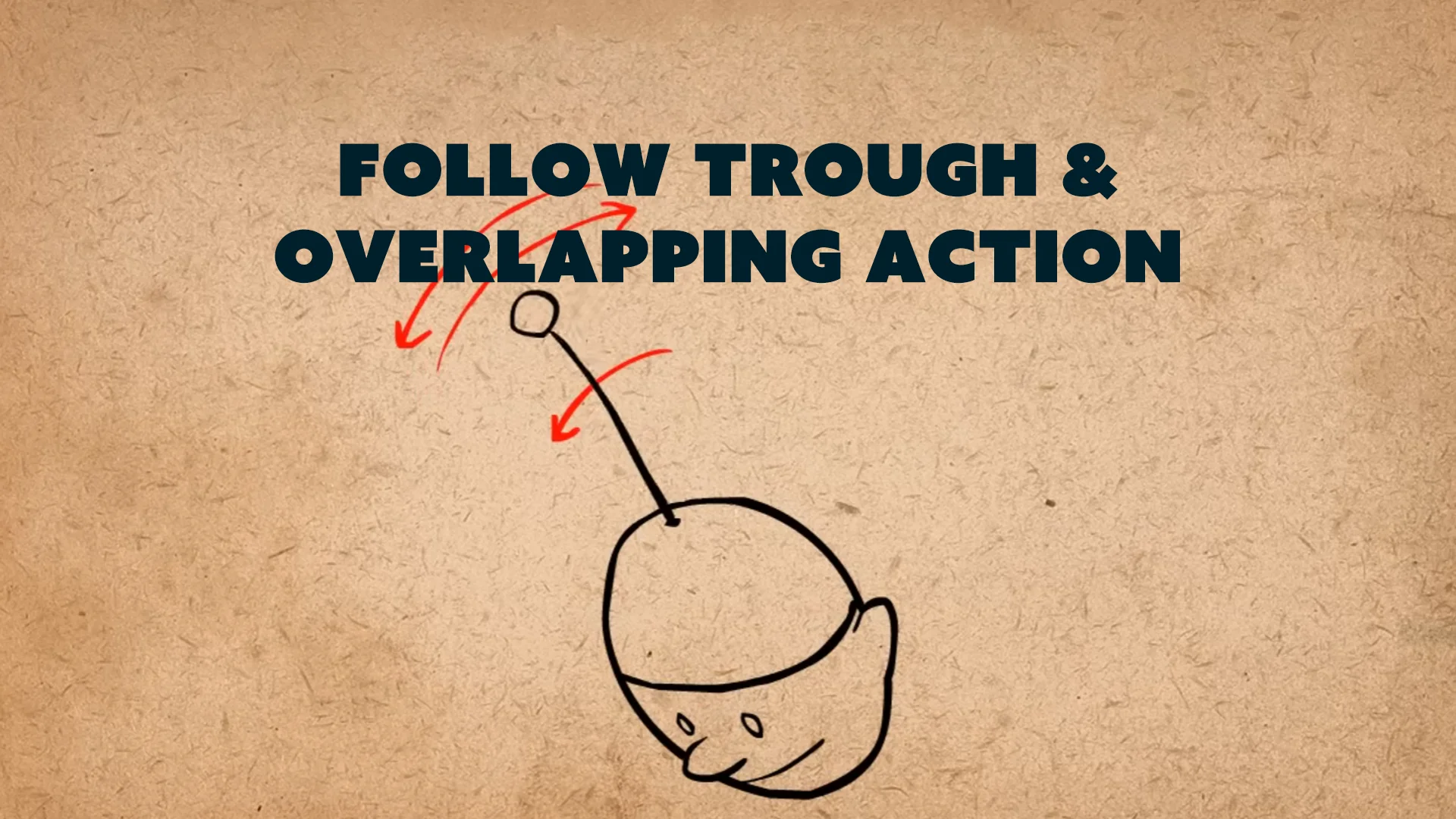
5. Follow Through and Overlapping Action
These techniques simulate realistic physics. For example, when a character stops running, their hair or clothing might continue moving slightly before settling. These details make animation more dynamic and believable.
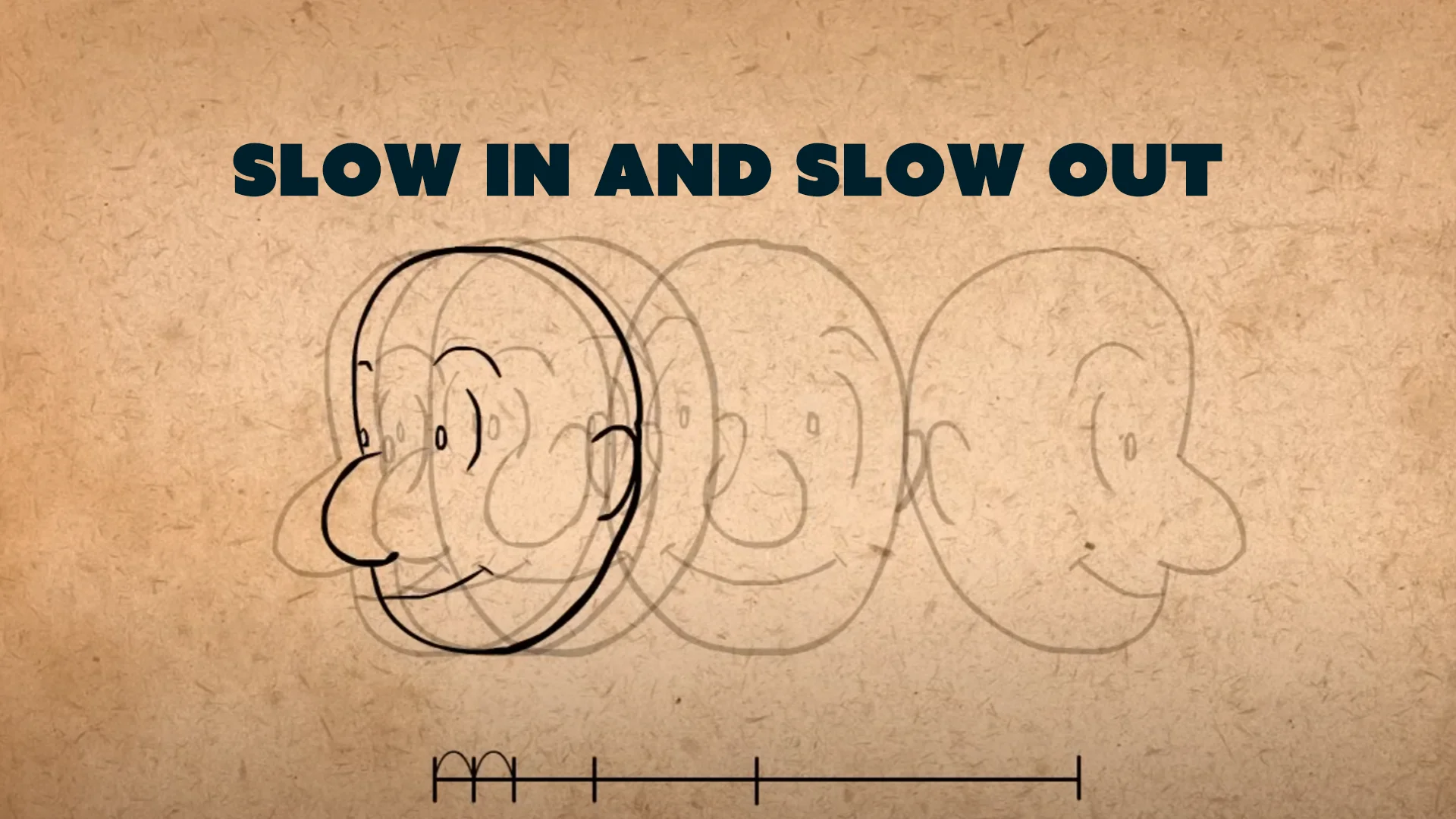
6. Slow In and Slow Out
This principle deals with acceleration and deceleration. Movements start slow, pick up speed, and then slow down again. This mimics real-world physics and gives weight and realism to animations.
7. Arcs
Natural movements often follow a curved trajectory, or arc. Whether it’s the swing of a limb or the path of a thrown ball, arcs make animations feel more organic and fluid.

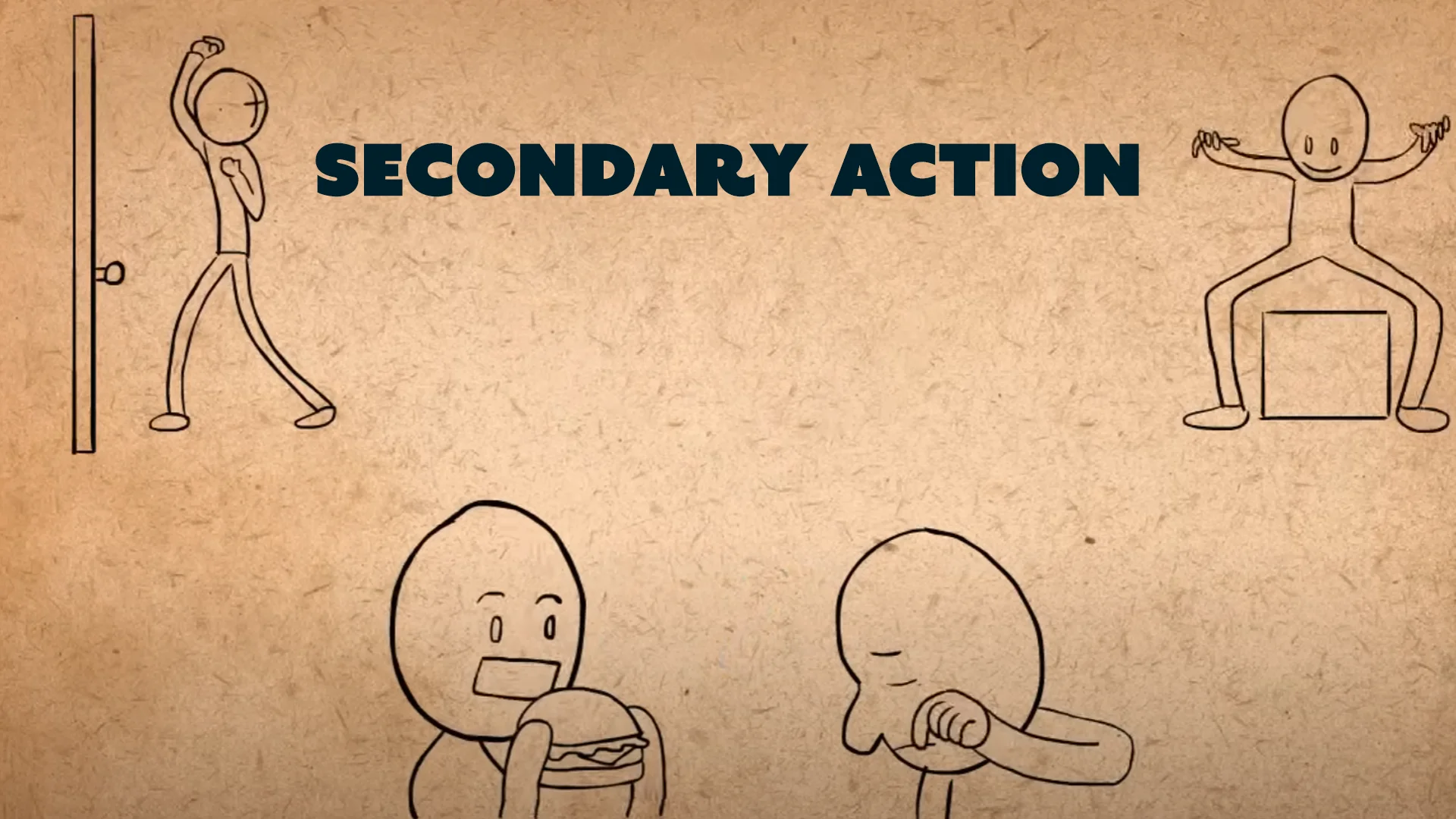
8. Secondary Action
Secondary actions add depth and realism to animations. For instance, while a character runs (primary action), their hair might bounce, or their arms might swing (secondary actions). These details enrich the animation and make it more engaging.
9. Timing
Timing refers to the spacing of actions, determining their speed and rhythm. Proper timing gives animations a sense of realism or adds comedic or dramatic effect, depending on the story’s needs.

10. Exaggeration
Exaggeration amplifies certain features or movements to add drama, humor, or personality. Over-the-top gestures can make characters more expressive and memorable.

11. Solid Drawing
This principle is rooted in traditional hand-drawn animation. Animators must understand form, weight, volume, and anatomy to create consistent and believable characters. Even in 3D animation, these concepts remain relevant.

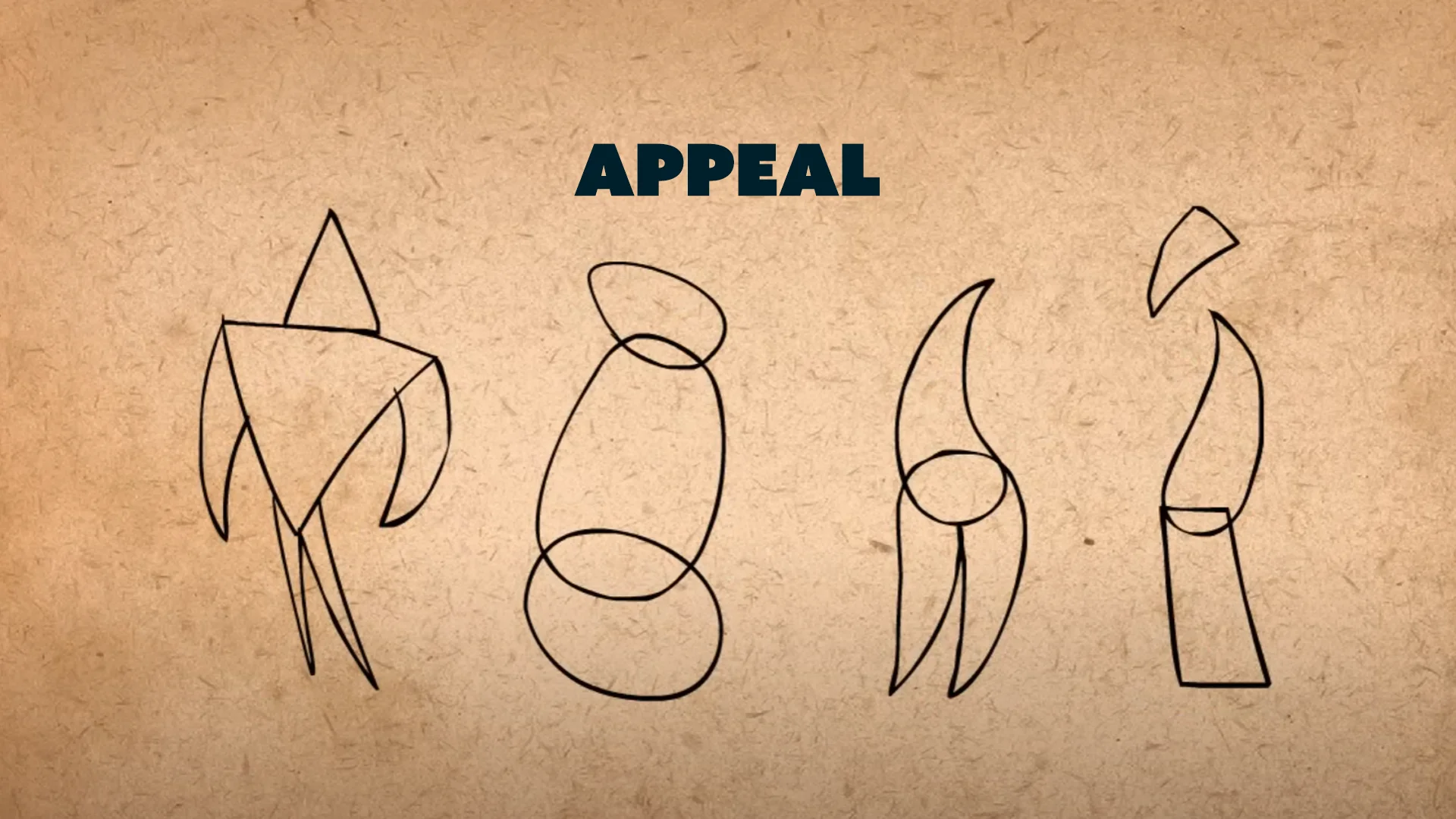
12. Appeal
Characters must be visually appealing to the audience. This doesn’t necessarily mean they have to be beautiful or perfect, but they should be interesting, relatable, and well-designed.
Contemporary Character Animation: From Exaggeration to Realism
Character animation has evolved significantly over the decades. Early animations like Looney Tunes often relied on extreme exaggeration to convey humor and personality. Modern 3D animation, by contrast, incorporates much more detail, allowing animators to balance realism with artistic flair.
Finding the Right Balance
While modern tools allow for incredibly realistic movement, animators must ensure characters remain lively and engaging. Too much realism can make animation feel static or boring. Subtle exaggerations in movement or expressions can elevate a character’s personality and make them unforgettable.
The Role of Character Backgrounds
One of the most important aspects of creating compelling character animation is understanding the character itself. Every character has a history that shapes how they move, react, and express emotions. This meta-level understanding starts in the scriptwriting phase, where character biographies often lay the groundwork.
- Age and Physicality: A character’s age affects their movement. A child might bounce with energy, while an elderly character may move with measured, deliberate steps.
- Emotional History: Past experiences influence posture, gestures, and how a character reacts in specific situations.
- Environment and Lifestyle: A character raised in a bustling city might have sharp, quick movements, while one from a rural background may move more leisurely.
By integrating these subtleties into animation, characters feel authentic and relatable. Read our blog post about Creating Iconic Characters for more information.
Acting and Performance in Character Animation
As character animation becomes increasingly refined, the ability to convey emotions through movement and expressions has become critical. Animation is no longer just about creating motion—it’s about delivering a performance.
The Animator as an Actor
Animators must think like actors, studying how emotions are conveyed through micro-expressions and body language. The best character animators can capture complex emotions, such as subtle hesitation or unspoken tension, bringing a new depth to animated performances.
Using Reference Material
In modern productions, voice actors’ performance is often recorded on video, providing valuable reference material for animators. These recordings capture nuances in movement and expression, offering animators a guide to infuse realism and personality into their work.
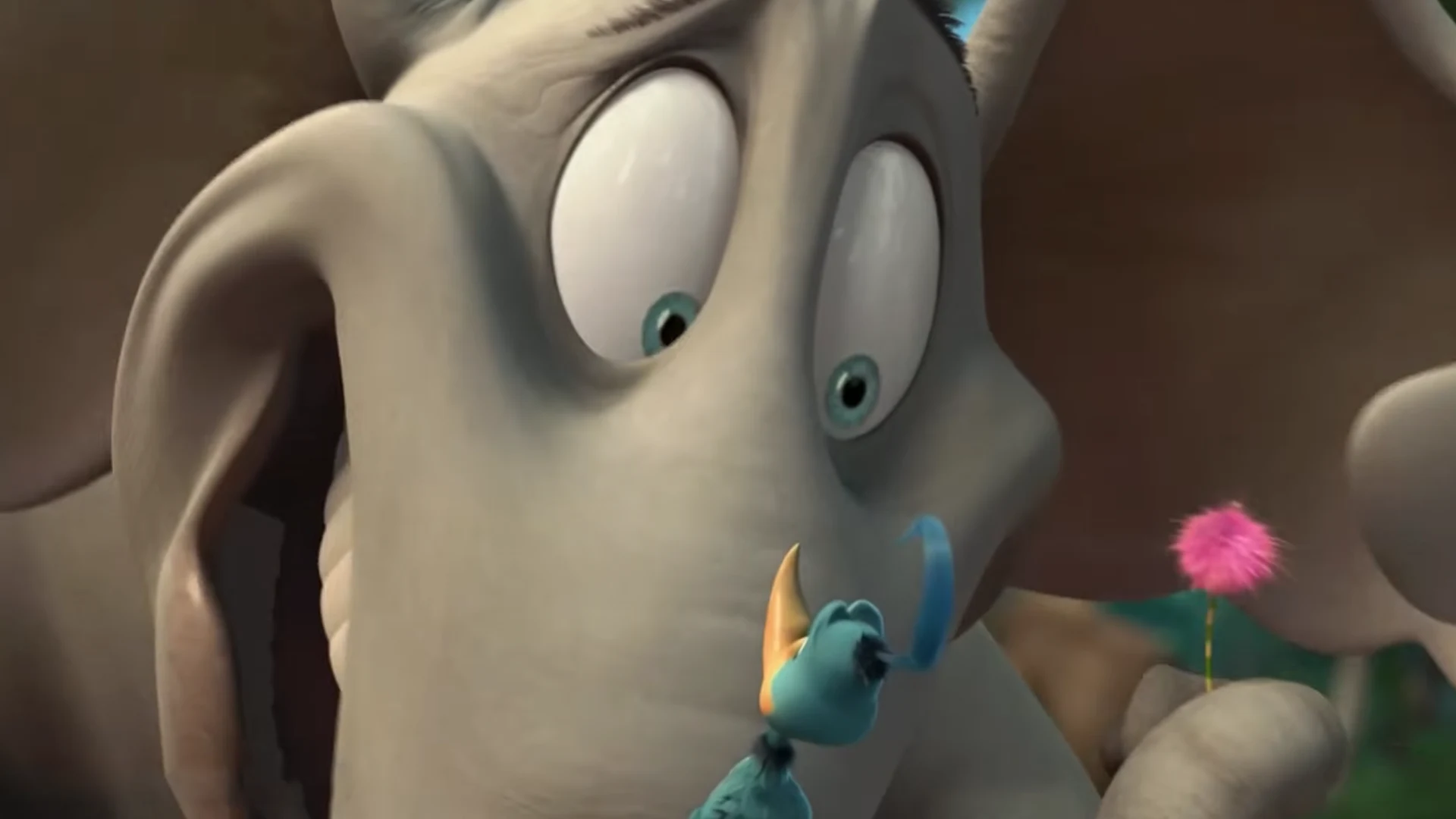
Above is a good (extreme) example of how much influence an actor can have on character animation. Imagine the performance without Jim Carrey’s range of expression. A snippet from the 2008 feature animation Horton Hears a Who! by Blue Sky Studios and 20th Century Fox Animation.
Character Animation in Marketing Productions
While character animation is often associated with feature films, it plays a crucial role in high-end marketing productions. Animated characters can tell a brand story, highlight product features, or create emotional connections with audiences. For example:
- Commercials: Animated characters can represent a brand mascot or demonstrate product benefits in a visually engaging way.
- User Acquisition Videos: Games and apps often use character animation to introduce their worlds, captivate players, and encourage downloads.
- Brand Films: In high-end productions, character animation can create memorable narratives that resonate with viewers and elevate brand perception.
The Animator’s Role and the Team Effort
At the heart of every great animation is a skilled animator. However, the process of creating high-quality character animation is a team effort. From scriptwriters and designers to technical engineers and directors, every role contributes to the final result.
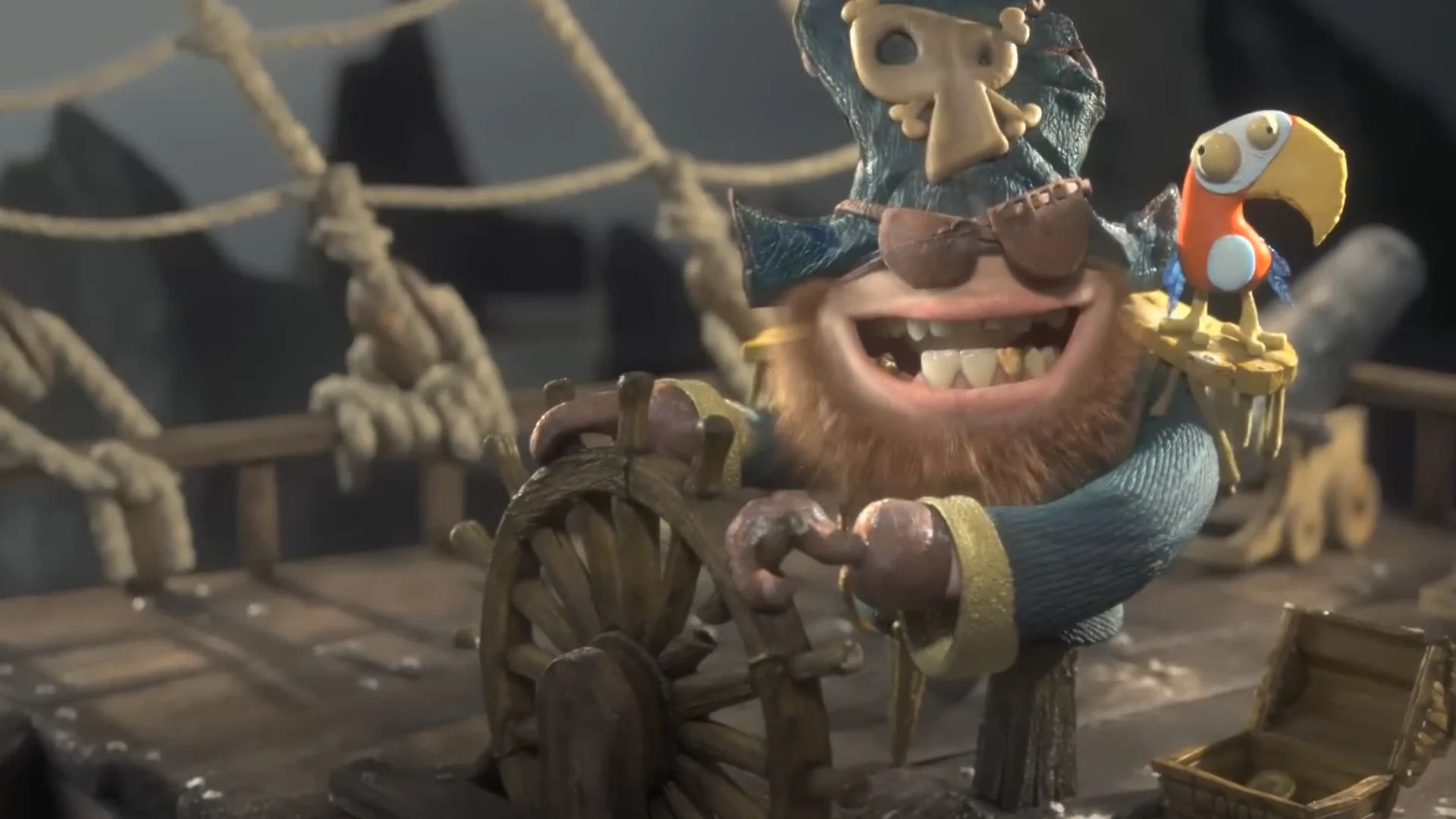
Above is a great example of contemporary character animation (and other animation production aspects), a 2013 promo “The Pirate” made for Cartoon Network by Olov Burman.
The Animator’s Toolkit
Creating believable and expressive character animation requires mastery of both traditional principles and modern techniques. A successful animator combines technical expertise, artistic vision, and a deep understanding of the character.
Collaboration for Excellence
For animation to succeed, all elements must align: a well-written script, detailed character backgrounds, strong design, and effective communication within the team. Striving for this ideal setup ensures the best possible outcome.
Recommended Readings on Character Animation
For animators looking to deepen their craft, these books are essential resources:
- The Illusion of Life: Disney Animation by Ollie Johnston and Frank Thomas
- The Animator’s Survival Kit by Richard E. Williams
Final Thoughts: Mastering Character Animation
Character animation is the heart and soul of many animation productions, from feature films to cutting-edge marketing campaigns. By mastering the 12 principles of animation, understanding your characters deeply, and embracing the art of acting, animators can create performances that captivate and inspire.
In marketing, animated characters can bridge the gap between brands and audiences, adding emotion and storytelling to campaigns. Whether you’re animating for entertainment or promotion, the principles of character animation remain universal—bringing stories to life, one frame at a time.
If you enjoyed this guide, make sure to check out other posts in our blog!
Need world-class character animation?
Don’t hesitate to get in touch!

Ilari Koskinen
Executive Producer
+358 40 773 7312
ilari@brinkhelsinki.com