Skip to content

Compositing in Animation: The Art and Science of Combining Visual Elements
Compositing is the final, critical stage in any animation production. It’s where all the visual elements—3D renders, matte paintings, effects, and live-action footage—come together to create the near-finalized image. Often compared to image retouching for moving pictures, compositing in animation requires both artistic skill and technical precision.
The result? Seamless, visually stunning shots that tell the story and captivate the audience. Whether you’re working on feature films, television, or high-end marketing animations, mastering compositing can elevate the quality of your project to the next level.
What Is Compositing in Animation?
At its core, compositing involves layering, adjusting, and blending visual elements to produce a coherent and polished image. These elements can include:
- 3D Rendered Layers: Outputs from the 3D animation team, such as character passes, environments, and visual effects.
- Matte Paintings: Hand-painted backgrounds that enhance the visual world.
- Filmed Footage: Live-action elements integrated with animated content.
- Procedural or Generated Elements: New assets created within the compositing software, like particle effects or animated textures.
Compositing allows artists to combine these elements seamlessly—often with hundreds of layers meticulously adjusted—to create a single, beautiful piece of animation.
The Role of Compositing in the Production Pipeline
In animation, compositing can either finalize or define the look of a project, depending on the production pipeline:
- 3D-Led Pipeline: The near-final look is achieved in 3D before reaching compositing. Here, compositing focuses on fine-tuning—such as color correction, depth of field, and motion blur.
- Compositing-Led Pipeline: The 3D renders are more minimal, and significant visual enhancements—like lighting tweaks, reflections, and effects—are built in compositing. This approach offers superior control over the final image.
Both methods have their strengths, and the right approach depends on the creative goals and timeline of the project.
Key Techniques and Capabilities in Compositing
The range of operations possible in compositing is vast. From fixing minor errors to creating visually stunning shots, a skilled compositor can perform near magic. Here are some essential techniques used in compositing in animation:
1. Color Grading and Corrections
Adjusting colors, brightness, and contrast to ensure all elements blend seamlessly. Proper color grading sets the mood of the scene and reinforces the story’s tone.
2. Lighting Adjustments and Relighting
Modern compositing tools allow artists to re-light 3D elements by adjusting highlights, shadows, and reflections—saving hours compared to re-rendering in 3D software.
3. Depth of Field and Motion Blur
Adding focus effects and motion blur to mimic real-world camera behavior, improving realism and visual flow.
4. Edge Refinement
Clean up and refine the edges of assets to integrate them smoothly into the shot.
5. Effects
From smoke and fire to particle effects and glowing elements, compositors often generate dynamic effects directly within the software.
6. Asset Creation
A skilled artist can use a high-end compositing software to literally create assets for the production. These can go beyond effects elements to actual 3D objects, backgrounds and other visual assets that can be created within the compositing software.
7. Fixes and Damage Control
Sometimes, re-rendering assets isn’t possible due to time constraints. Skilled compositors can fix errors like render artifacts, broken frames, or missing details quickly and efficiently.
Tips and Tricks for Efficient Compositing
Here’s how to make the compositing stage smooth, efficient, and high-quality:
1. Have a Clear Plan
A solid plan ensures that the pipeline runs efficiently:
- Decide which operations will be handled in 3D and which in compositing.
- Establish clear naming conventions, file formats, and color profiles.
- Organize how assets move between departments and artists.
2. Stay Organized
Compositing can quickly become chaotic if files and layers aren’t managed correctly.
- Use clear folder structures.
- Name layers, nodes, and files descriptively.
- Clean up your node trees daily to keep projects tidy and efficient.
3. Master Color Theory
Understanding color theory is essential. It helps you:
- Blend elements seamlessly.
- Enhance mood and storytelling through thoughtful color palettes.
- Avoid common mistakes, like oversaturated highlights or unnatural tones.
4. Understand the Physics of Light
Photorealistic compositing requires a basic grasp of physics:
- How light behaves (reflection, refraction, scattering).
- How shadows interact with surfaces.
- Real-world dynamics like bloom and halation (light bleeding effects).
A strong foundation in physics enables you to replicate real-world visuals accurately.
5. Study and Practice Photography
Photography skills are invaluable for compositors. Learn how cameras work, including:
- Motion blur and depth of field.
- Dynamic range in low-light and bright conditions.
- Effects like bokeh, bloom, and lens flares.
Experimenting with both digital and film photography helps you understand how light interacts with objects—knowledge you can directly apply to your compositing work.
6. Focus on Aesthetics
Compositing can easily get a little scientific. Don’t forget that you are most likely in the business of creating beautiful looking images. Beauty and science don’t always go hand in hand. Be mindful. Dare to create something beautiful.
7. Balance Quality and Speed
A good compositor knows how to optimize their workflow:
- Use proxies for heavy shots.
- Find the balance between resolution, bit depth, and render quality.
- Focus on the final output—don’t overprocess assets unnecessarily.
For example, there’s no need to process everything in 8K if the final output is a 1080p video viewed on mobile devices. Work smart!
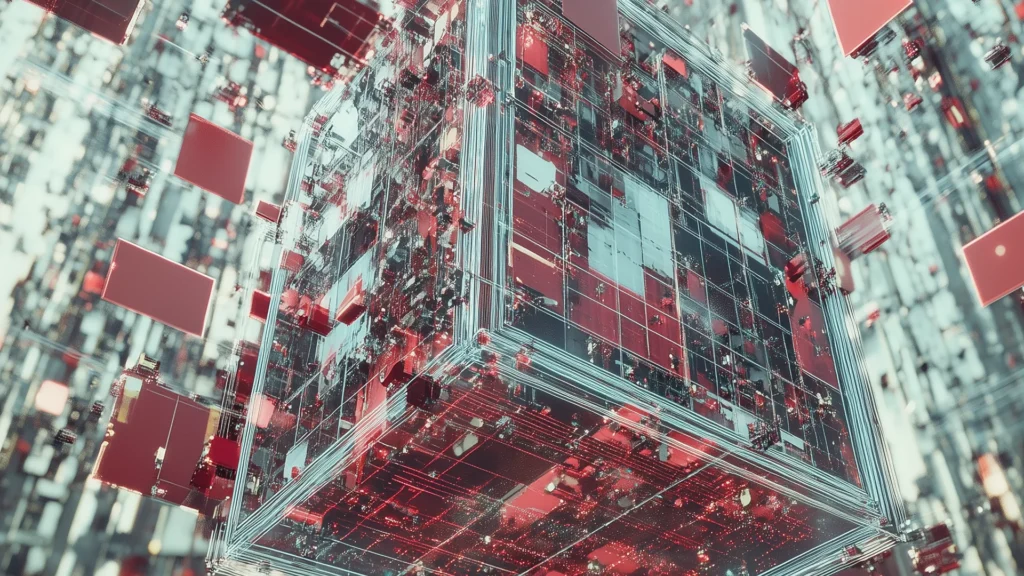
The Art and Science Behind Compositing in Animation
Compositing is where art and science collide. It blends the creative skill of visual storytelling with the technical expertise of layering and processing images. To become a master compositor, it’s essential to understand the core principles behind the tools you’re using.
Further Learning Resources
For those looking to dive even deeper into compositing in animation, these resources are must-reads:
- The Art and Science of Digital Compositing by Ron Brinkmann
This industry-standard book breaks down the technical and artistic foundations of compositing. - Software-Specific Guides
Explore books or courses tailored to tools like Nuke, After Effects, or Fusion. Each software has its own workflows and capabilities to master.
Final Thoughts: Why Compositing in Animation Matters
Compositing is often the unsung hero of animation productions. It’s the stage where everything comes together—3D assets, effects, lighting, and finishing touches—to create stunning visuals that tell a story. A great compositor combines artistic sensibility with technical mastery, delivering results that feel seamless and visually impactful.
Whether you’re working on a feature film, TV series, or a high-end commercial animation, compositing in animation ensures the final piece feels polished, professional, and emotionally resonant. By staying organized, mastering color and light, and working efficiently, you’ll elevate your compositing work to the next level.