Skip to content

The Final Touch of Visual Storytelling
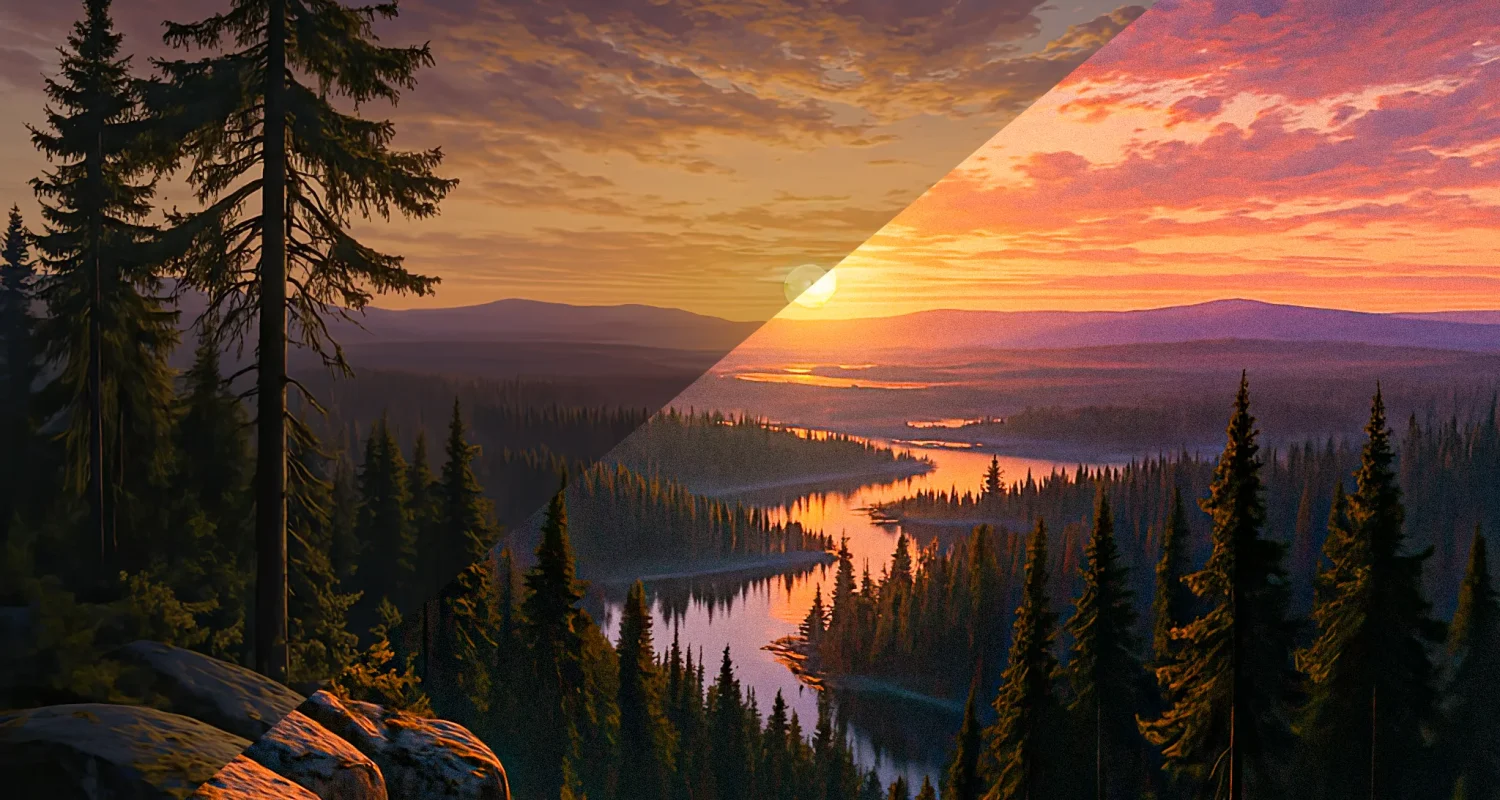
You’ve reached the final stage of your animated production. Now it’s time to bring everything together visually. Color grading is where your story’s emotion, tone, and style are fine-tuned to perfection. This is the phase where skilled artists apply adjustments that elevate the animation to a polished, cinematic experience.
What Is Color Grading in Animation?
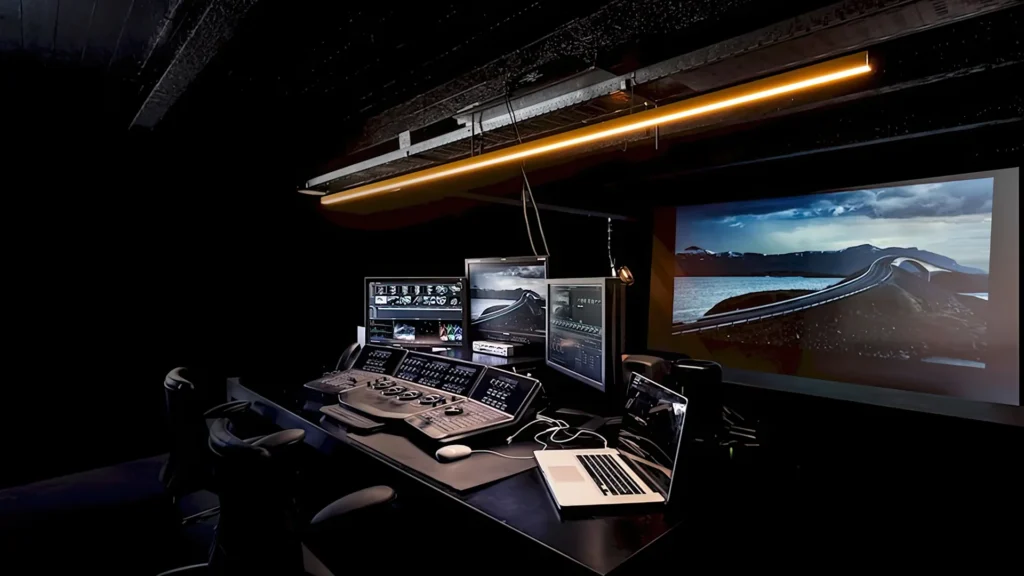
In animation, color grading is the process of adjusting and refining the color and light values of each shot. It’s often done using specialized software like DaVinci Resolve or Baselight. The person behind the controls—a Colorist—works closely with the Director, Art Director, or Director of Photography to ensure that the visual style aligns with the original creative vision.
While the term may sound technical, color grading is just as creative as any other part of animation. It’s not only about correcting the colors—it’s about using color as a storytelling device.
What Gets Adjusted?
There are a number of core adjustments that happen during this stage:
⚙️ White and black levels – establishing the visual dynamic range
💡 Highlights, midtones, shadows – creating depth and visual drama
🎨 Color uniformity – ensuring consistency across all shots
👤 Skin tones – making sure characters look natural and appealing
💡 Lighting color accuracy – matching natural, practical and synthetic light sources
These corrections and enhancements help ensure the visual world feels cohesive and intentional—especially crucial in commercial or high-end animation work.
Check out Pixar colorist Susan Brunig’s thoughts on color grading Luca.
Modern Tools, Creative Power
In recent years, color grading has expanded far beyond basic adjustments. Tools like power windows, depth maps, and tracked masks allow Colorists to isolate parts of the frame, relight scenes, and even simulate changes in depth or focus—all within the grading software.
For example, a glowing magical orb in a fantasy animation might need a little extra punch. Instead of going back to compositing, the Colorist can add glow, adjust its hue, or track it across a shot—all from within the grading suite. This saves time and ensures continuity in post-production.

Planning Is Key
It’s important to know what belongs in color grading—and what doesn’t. While modern tools are powerful, they’re not a replacement for earlier stages like compositing or lighting. Smart planning during pre-production and layout will save time and keep revisions minimal as the animation nears completion.
Agreeing early on which tasks will be handled in compositing, and which will be addressed in grading, can drastically improve efficiency. That way, the team avoids ping-ponging shots back and forth.

Why It Matters for Marketing Animation
Color grading is especially important in advertising and mobile game marketing animations, where visual impact is everything. A well-graded animation stands out. It feels professional. It commands attention.
Whether you’re selling a product, telling a brand story, or showcasing gameplay features, the final color pass makes your content feel intentional and cinematic. It’s the polish that elevates your work from good to unforgettable.
If you enjoyed this guide, make sure to check out other posts in our blog!
Need color grading expertise in your animation?
Don’t hesitate to get in touch!

Ilari Koskinen
Executive Producer
+358 40 773 7312
ilari@brinkhelsinki.com