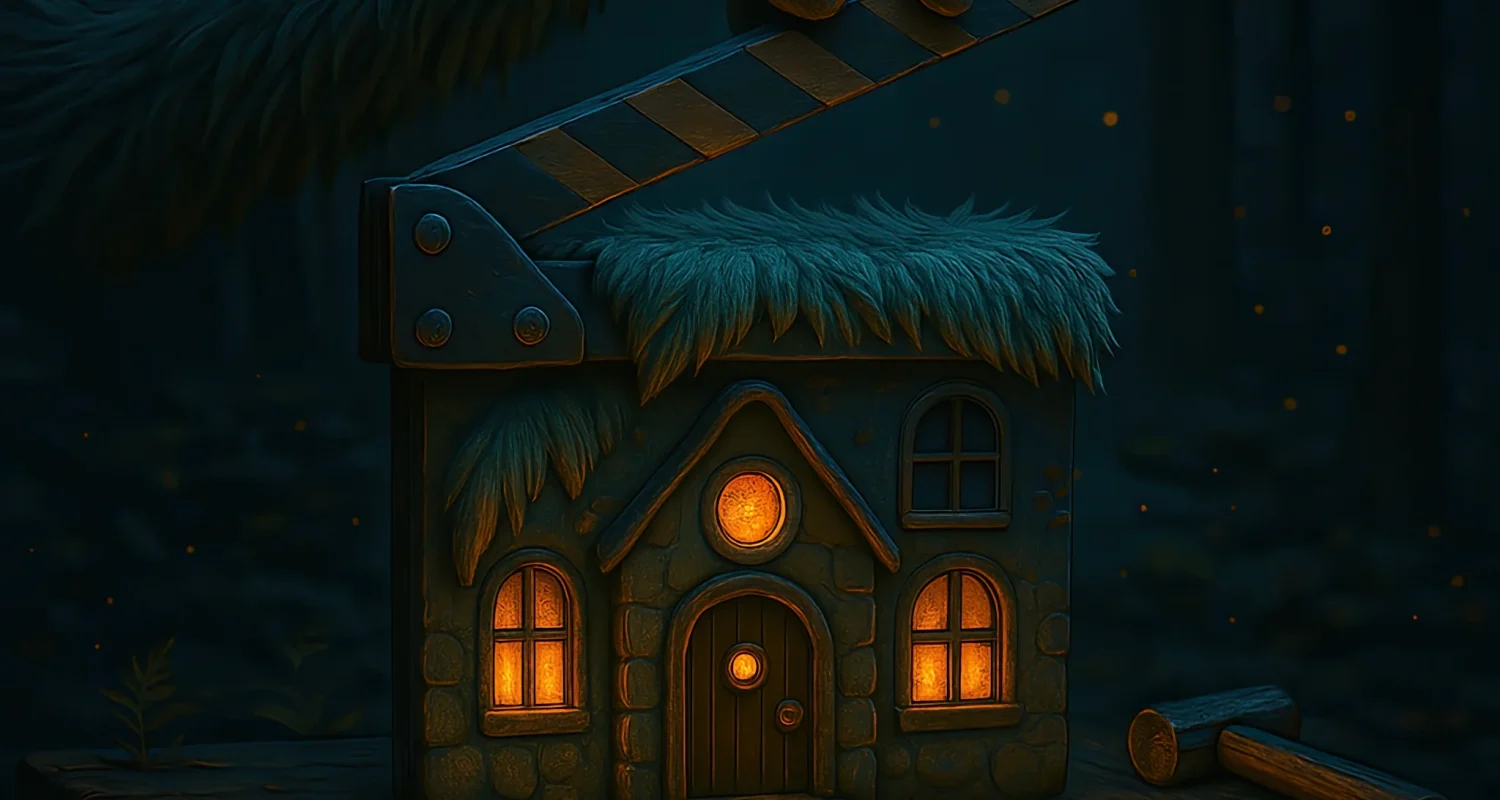
Featured image of the Brink Helsinki blog post: high-end 3D animation.

High-End 3D Animation

From Plan to Pixels: What Sets High-End 3D Animation Apart

High-end 3D animation isn’t just about stunning visuals—it’s about the invisible craft and discipline behind every frame. While the script is the soul and pre-production lays the foundation, it’s in production where the vision truly comes to life. And what sets apart average productions from exceptional ones is not just talent—it’s mindset, collaboration, and a deep respect for story.

In this post, we dive into the heart of the production phase, examining what really elevates high-end 3D animation work—especially in marketing-focused content like product films, branded stories, and game cinematics.

Content image of the Brink Helsinki blog post: high-end 3D animation.

Everyone’s a Storyteller 

One of the biggest mindset shifts in high-end productions is understanding that storytelling doesn’t stop with the writers. Once production begins, every animator, rigger, lighter, and compositor becomes part of the storytelling team.

A walk cycle isn’t just a walk—it’s an opportunity to reveal a character’s history. A character who’s aged, injured, or proud will move differently. A product animation isn’t just showing off features—it’s an opportunity to highlight design thinking, user experience, or a compelling brand message.

Great animation teams recognize this. They empower artists to think like storytellers, to align every decision with the emotional core of the scene. This is what transforms functional animations into captivating visual narratives—whether it’s a cinematic ad for a mobile game or a high-end product showcase.

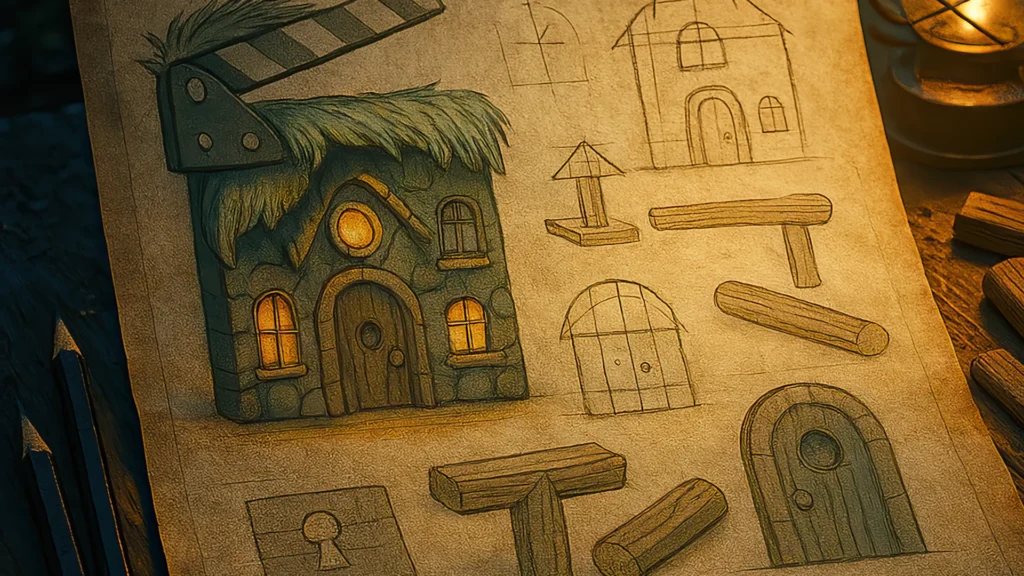
Content image of the Brink Helsinki blog post illustrating the importance of using references in a production.

The Power of References

In creative production, anything is technically possible—but not everything should be.

Teams working on high-end 3D animation understand the importance of reference. That means not only studying the production bible and character sheets, but also gathering real-world references that support believability and consistency. Want a futuristic gadget to look desirable? Study luxury watches, tech UI, or fashion. Animating a heroic leap? Watch sports replays, action films, or Olympic performances.

More importantly, reference also means understanding what others on the team have done—so that every department works toward the same story. Without this, you risk disjointed visuals, broken tone, or inconsistent style. For fast-moving marketing productions, especially in collaboration with advertising agencies or game studios, clear references ensure creative alignment and faster approvals.

Content image of the Brink Helsinki blog post: high-end 3D animation.

Realism Starts with Curiosity

Great animation is built on the question, “How does this work in the real world?”

This doesn’t mean everything must be photoreal. Even the most stylized animation gains from real-world grounding. A light source should behave like a real one. A prop should react to gravity. A bounce should feel right.

Understanding basic principles of physics, biology, photography, and design gives animators superpowers. It allows them to push realism when needed—or to bend the rules confidently when stylization calls for it. Whether it’s animating the complex cloth physics of a fashion ad or getting the weight of a product’s internal mechanism just right in a product demo, attention to detail elevates trust and impact.

Content image of the Brink Helsinki blog post illustrating the importance of high-end work as a culture.

High-End Isn’t Just a Look—It’s a Culture

What truly makes an animation high-end isn’t the software or the render engine—it’s the culture of thoughtful decision-making. It’s about everyone on the team understanding their role as a storyteller. It’s about staying grounded in reference. And it’s about cultivating the curiosity to explore how things really work.

In a marketing context, this mindset makes all the difference. It allows your product animation to resonate emotionally. It helps game cinematics build world-class immersion. And it ensures that when a potential customer watches your video, they don’t just see something beautiful—they feel something meaningful.

Too Long, Didn’t Read? Here’s the Takeaway:

  • Everyone on the team is a storyteller—align your creative decisions with the narrative.
  • Use reference like a pro—internally and externally—to keep quality and consistency high.
  • Learn how the world works—physics, light, biology, behavior—and use it as fuel for detail.
  • High-end 3D animation is not just technical mastery, it’s production culture done right.

If you enjoyed this guide, make sure to check out other posts in our blog!

Need help in high-end 3D animation productions? 
Don’t hesitate to get in touch!

Scroll to Top