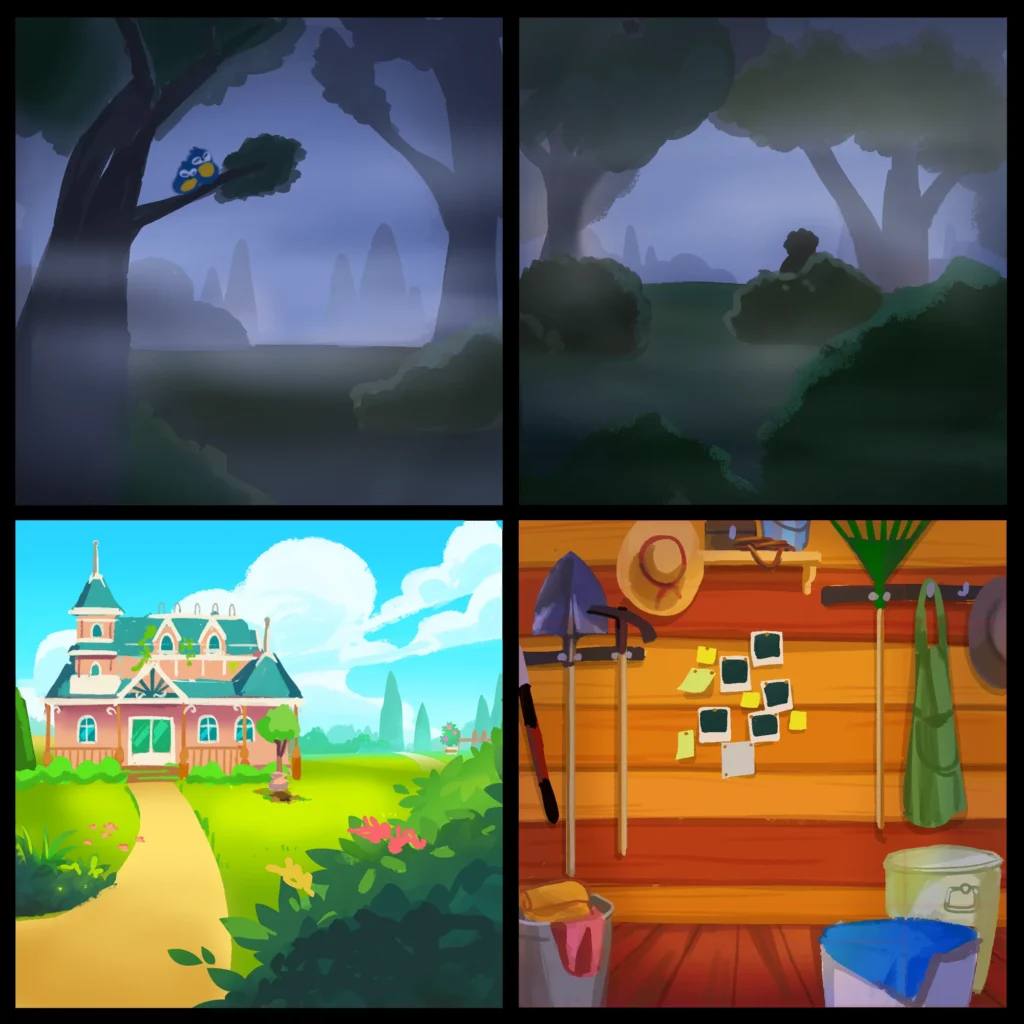
A featured image from the Brink Helsinki blog post Color Script in Animation.

Color Script in Animation

Color Script in Animation: Shaping Emotions Through Color

In animation, storytelling is more than just plot and dialogue—it’s also about mood, emotion, and tone. One of the most effective tools for visually shaping these elements is the color script. Often overlooked by non-visual departments, a well-crafted color script plays a critical role in guiding the emotional arc of your animation from beginning to end.

What Is a Color Script?

A color script in animation is a sequence of images or color panels that map out how color evolves throughout a film or animation. It provides an overview of the visual rhythm, enabling the creative team to understand how the color palette supports the storytelling, scene by scene. Unlike a storyboard, which focuses on framing and action, the color script focuses purely on color, light, and tone.

Typically, each image in a color script represents a key moment or mood shift within a scene. These panels don’t need to be detailed—rough sketches or abstract compositions are often enough to capture the essence of the palette. The goal is clarity of color intention, not rendering perfection.

A color script example from the Disney Pixar movie Finding Nemo.

Why Color Scripts Matter

The color script serves several purposes in animation production:

  • Visual Cohesion: It ensures a consistent visual language across different departments, including layout, lighting, background painting, and compositing.

  • Storytelling Enhancement: Color supports the emotional arc. For example, cooler tones may emphasize isolation or melancholy, while warm palettes can highlight comfort or excitement.

  • Production Planning: Teams can use the script to plan how assets should be designed and lit. It also helps avoid mismatches between design and mood across scenes.

Additionally, in high-end commercial or marketing animations, where visual impact is paramount, a color script can guide decisions that ultimately elevate the perceived quality of the production.

A color script image from the Brink Helsinki blog post: Color Script in Animation.

When and How to Create a Color Script

Ideally, the color script is developed during the early stages of production—after the script and storyboard are locked but before heavy production work begins. Usually, the Art Director or Production Designer leads the effort, working closely with the Director and Director of Photography.

Each color panel in the script represents a shift in mood or scene, using a simplified version of the visual content. The artist experiments with combinations of hue, saturation, and value to match the tone of each beat in the story. It’s a great opportunity to test how warm vs. cool palettes, light vs. shadow, and color saturation can affect the viewer’s perception.

A great color script video from the Disney Pixar movie Luca.

Using the Color Script as a Creative Compass

Once approved, the color script becomes a north star for visual development. It informs lighting setups, shot composition, background designs, and even compositing techniques later in the pipeline. Moreover, in commercial work, it helps marketing-focused clients and creatives ensure that branding colors or emotional cues are consistently reinforced throughout the film.

For example, in a product animation that introduces a tech device, a color script could help shift the tone from “mysterious and premium” (cool tones, high contrast) to “accessible and friendly” (warmer, lighter tones) as the story unfolds.

A color script image from the Brink Helsinki blog post: Color Script in Animation.

Conclusion

A color script in animation isn’t just a visual plan—it’s a storytelling tool. It helps the team align creatively and emotionally, ensuring that the animation resonates with the audience on a subconscious level. Whether you’re working on a short explainer, a cinematic game trailer, or a 3D ad spot for a global brand, investing time in a color script is a wise move.

If you enjoyed this guide, make sure to check out other posts in our blog!

Need help in high-end 3D animation productions? 
Don’t hesitate to get in touch!

Scroll to Top