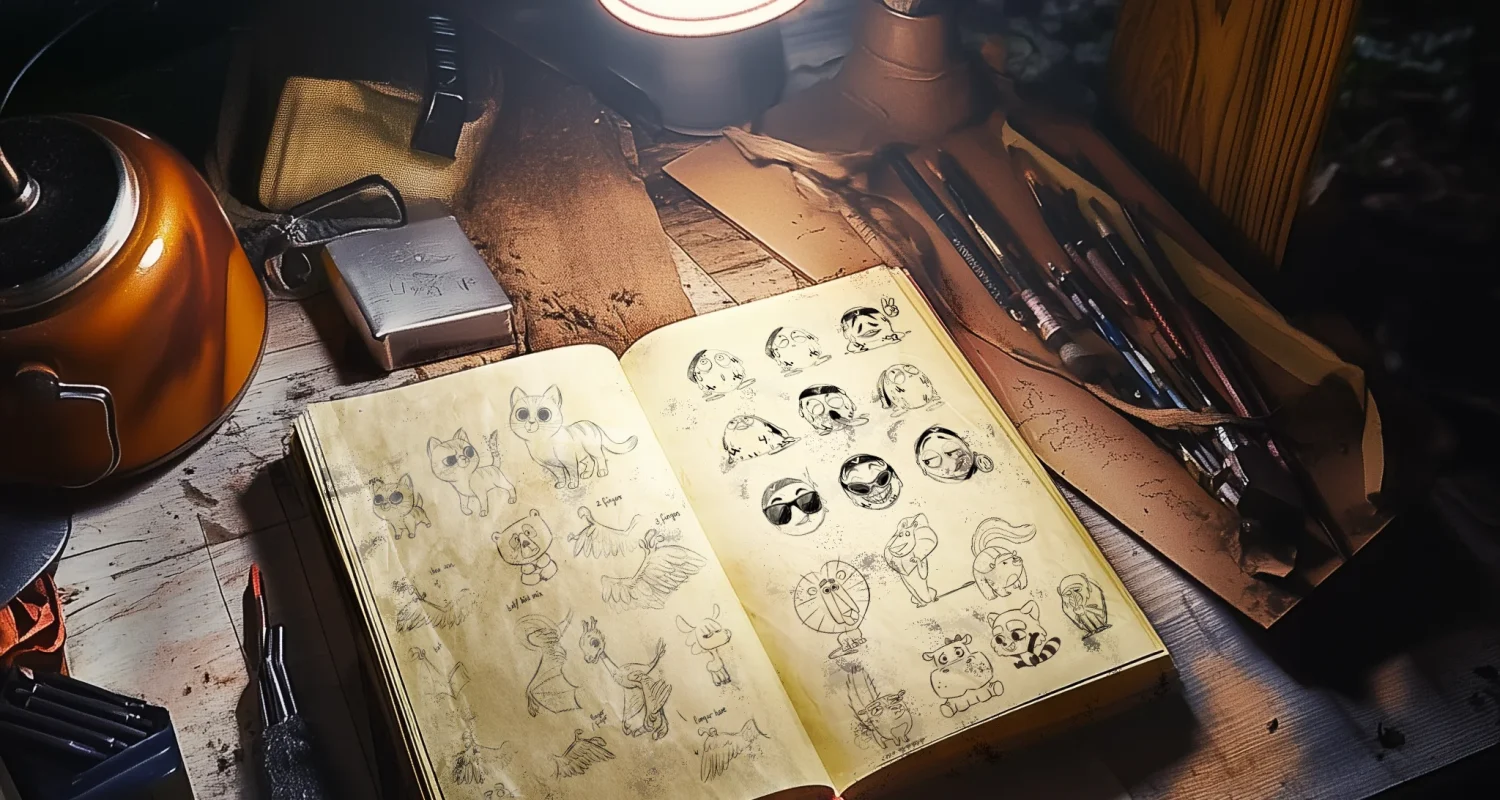
Featured image from the Brink Helsinki Blog Post: Character Design for Animation. In the image, there is an old an rugged table with a notebook full of character design drawings.

Character Design for Animation

Character Design: Crafting Memorable and Iconic Characters

Character design is a fundamental part of pre-production in animation, defining the visual identity, personality, and appeal of a character before the animation process begins. While the visual aspect is the primary focus, creating iconic characters starts in the scriptwriting phase. A well-written character with a detailed backstory and personality traits provides a strong foundation for visual development, ensuring a design that aligns with the character’s role in the story.

When done correctly, character design enhances storytelling, audience engagement, and brand recognition—whether in animation, gaming, or high-end marketing films. This guide explores the core elements, processes, and techniques of professional character design in animation.

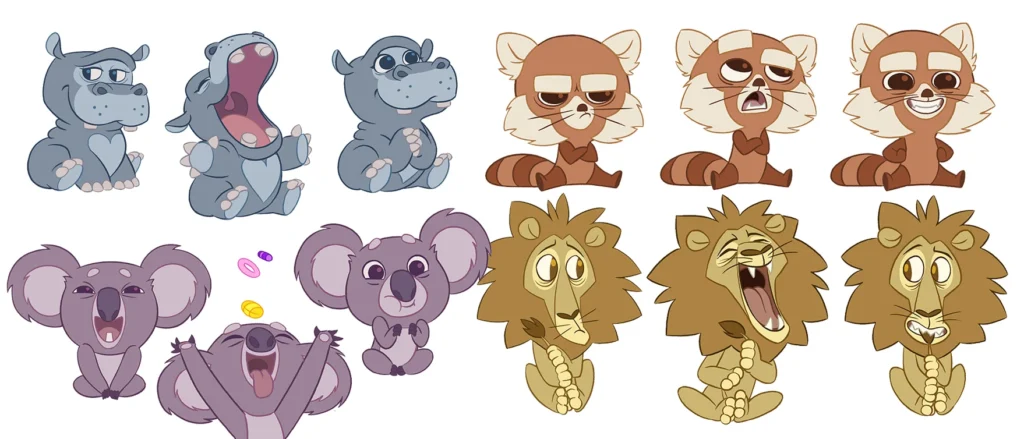
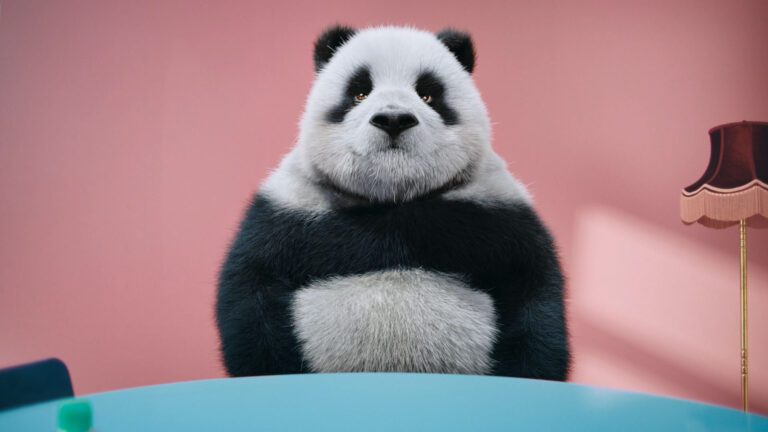
A character sheet from the Veikkaus Delicazoo production.

The Role of Character Design in Pre-Production

In animation, character design is more than just drawing a visually appealing figure—it’s about creating a character that fits seamlessly into the world, narrative, and production pipeline. Character design influences everything from animation style to prop design and wardrobe, ensuring consistency across the entire project.

Before a single sketch is drawn, designers rely on character bios and script notes to guide the creative process. These materials help define:

  • Personality & motivations – What drives the character? How do they express emotions?
  • Physical traits – Age, body type, unique features, and proportions.
  • Wardrobe & accessories – What do they wear, and why?
  • Environmental influences – How does their world shape their appearance?

A strong character design reflects all of these elements visually, making the character instantly recognizable and memorable.

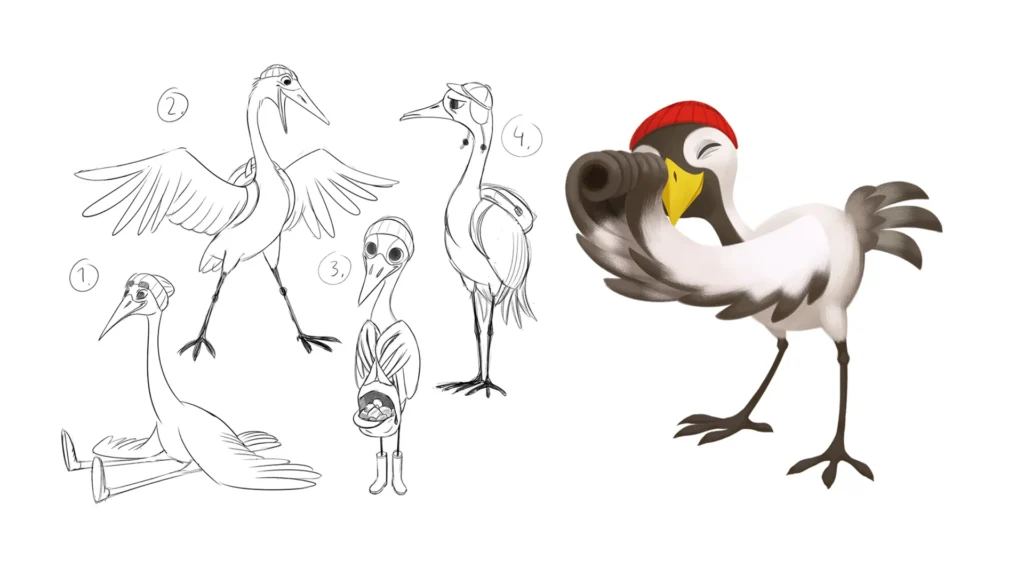
An image from the Brink Helsinki Blog Post: Character Design for Animation. In the image, there are some sketches of a Crane character with a colored illustration as well.

The Character Design Process: From Concept to Final Design

1. Rough Sketches & Concept Exploration

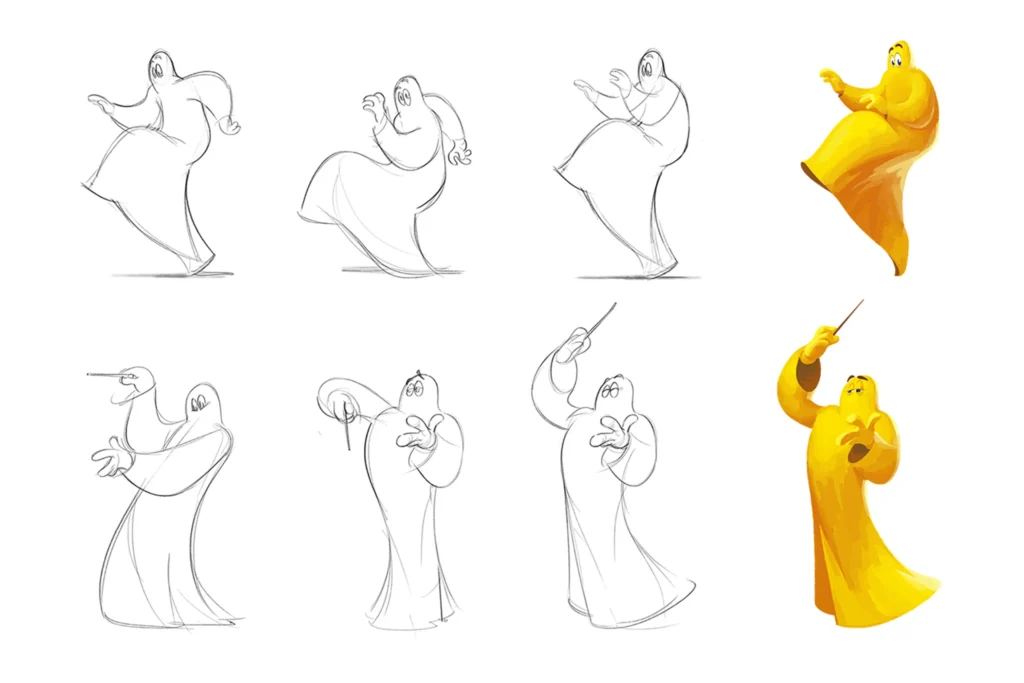
The first stage of character design is an iterative, exploratory process. A character designer starts with rough sketches, experimenting with different silhouettes, proportions, and features. These sketches focus on:

  • Silhouette clarity – Can the character be recognized from just their shape?
  • Expressiveness – How well do emotions and personality traits read visually?
  • Stylistic consistency – Does the character fit within the animation’s overall style?

At this stage, quick iteration and feedback are key. The designer collaborates with directors, animators, and production leads to refine the character’s overall look before diving into details.

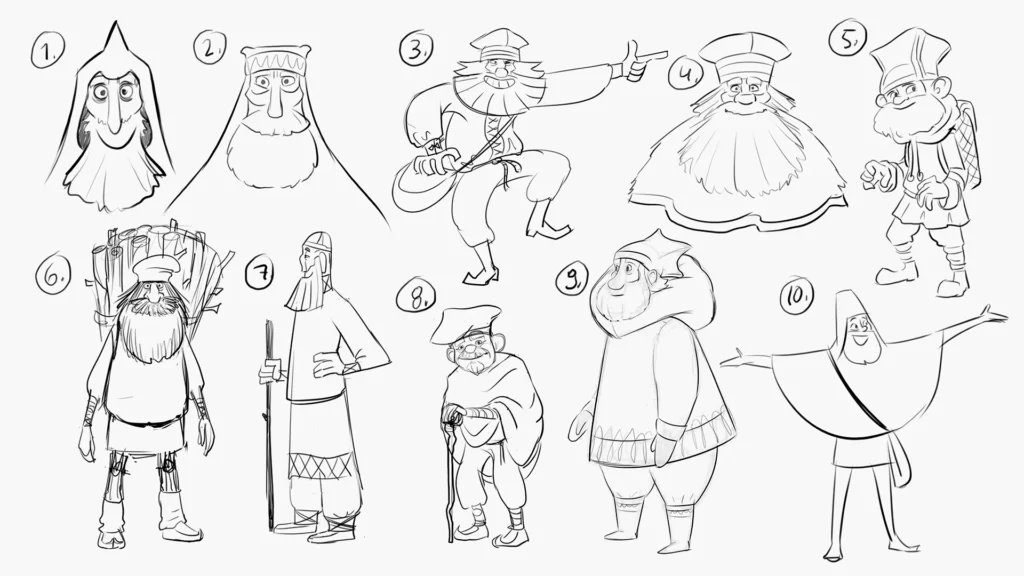
An image from the Brink Helsinki Blog Post: Character Design for Animation. In the image, there are some sketches of a Huttu-Ukko character.

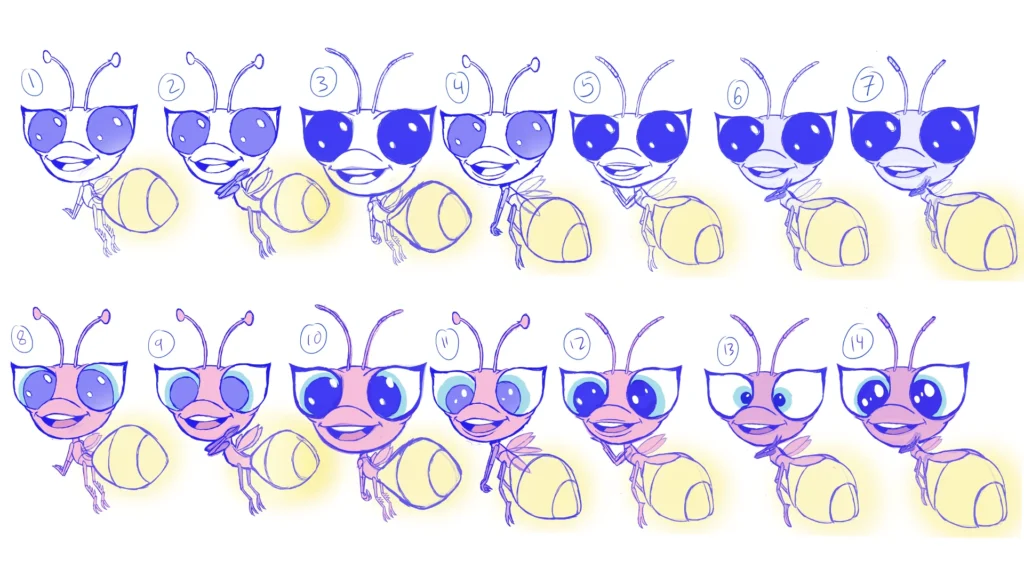
2. Refining the Character Design

Once the general concept is approved, the designer refines the look by adding:

  • Facial features & expressions – Defining the eyes, mouth, and unique visual elements.
  • Clothing & accessories – Considering textures, patterns, and materials.
  • Color palette – Choosing colors that reinforce personality and mood.

This step often involves creating multiple variations to explore different design possibilities.

An image from the Brink Helsinki Blog Post: Character Design for Animation. The image is from the character design refinement stage, where various eye shapes and details are visualised for a firefly character.

3. Turnarounds & Expression Sheets

With the final design approved, the next step is turnarounds and expression sheets, which are essential for 3D modelers and animators.

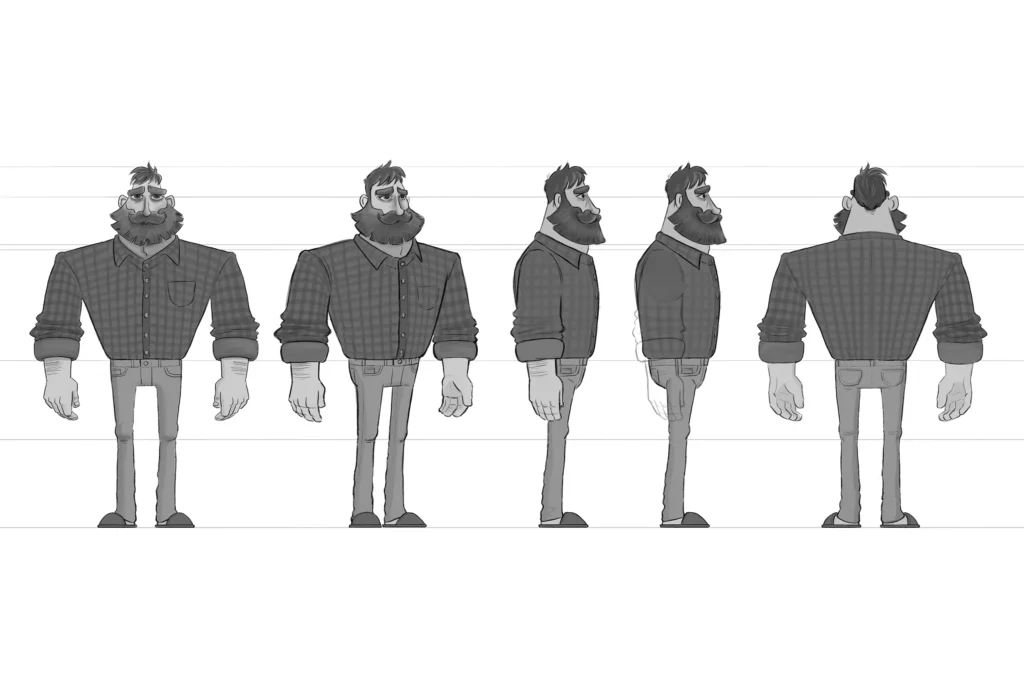
Turnarounds:

A turnaround sheet presents the character from multiple angles (front, side, back, and 3/4 view) to ensure accuracy and consistency when translating the 2D design into 3D models or frame-by-frame character animation.

An image from the Brink Helsinki Blog Post: Character Design for Animation. The image is a turnaround image, where the character is presented from specific angles to aid in the modeling and animation stage.

Expression Sheets:

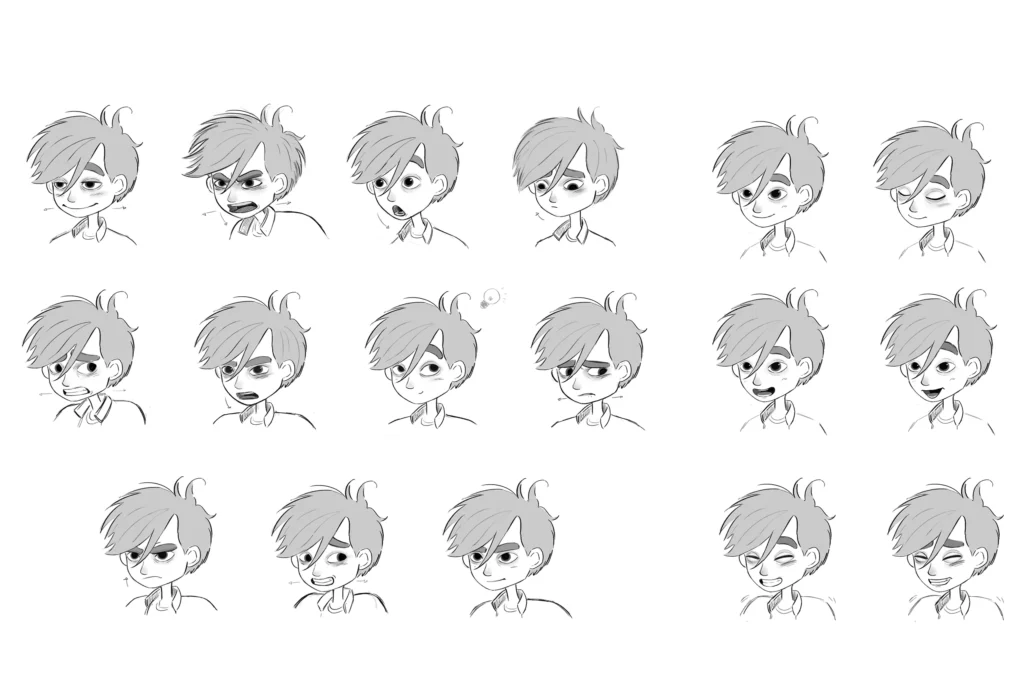
This showcases different facial expressions and emotional states, ensuring animators understand how the character emotes. Expression sheets typically include:

  • Happy, sad, angry, surprised, neutral, and extreme emotions.
  • Character’s reaction to different situations.
  • Any unique movement quirks or gestures.
An image from the Brink Helsinki Blog Post: Character Design for Animation. The image is a character facial expression sheet.
An image from the Brink Helsinki Blog Post: Character Design for Animation. The image is a character expression sheet.

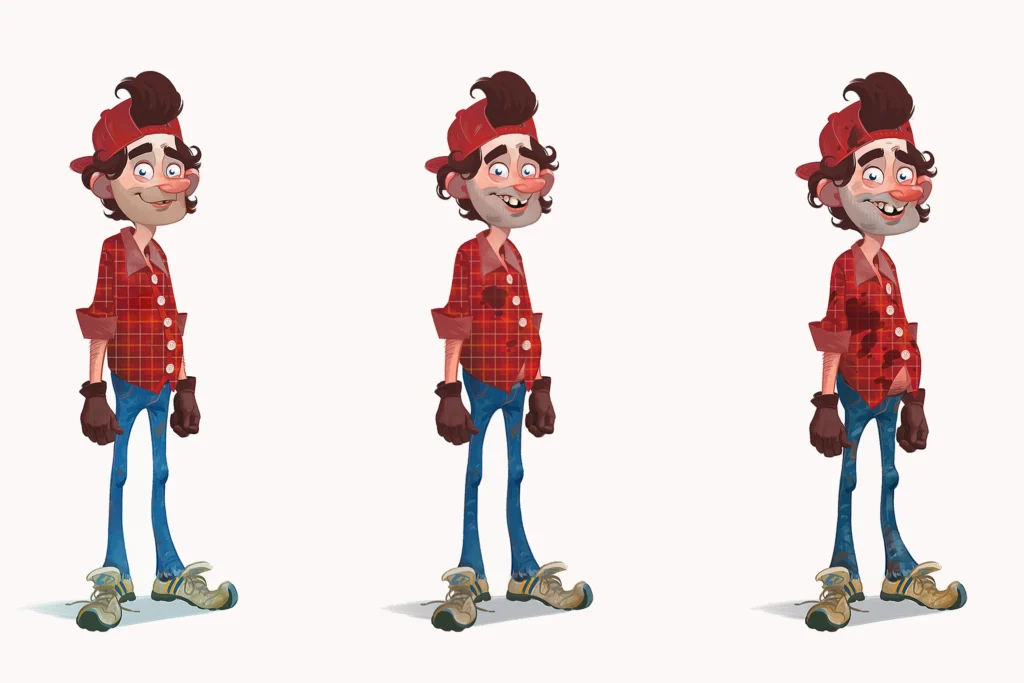
4. Costume & Transformation Design

Characters often change throughout a story, requiring additional design variations:

  • Outfit changes – Different clothes for different scenes, seasons, or dramatic events.
  • Physical transformations – Aging, battle scars, injuries, or other alterations.
  • Weathering effects – Realism added through dirt, damage, or wear and tear.

These details enhance storytelling, ensuring that the character evolves visually alongside the narrative.

An image from the Brink Helsinki Blog Post: Character Design for Animation. The image is a character transformation sheet.

The Importance of Strong Character Design

Well-designed characters are:

✅ Instinctively recognizable – Unique silhouettes and colors make them stand out.
✅ Emotionally expressive – A strong design helps convey personality and emotions.
✅ Flexible for animation – Designs must work within the technical pipeline for smooth animation.
✅ Memorable and iconic – Great character designs leave a lasting impression on the audience.

By following a structured design process and integrating insights from scriptwriting, animation, and production, animators and designers can create iconic, compelling characters that truly bring stories to life.

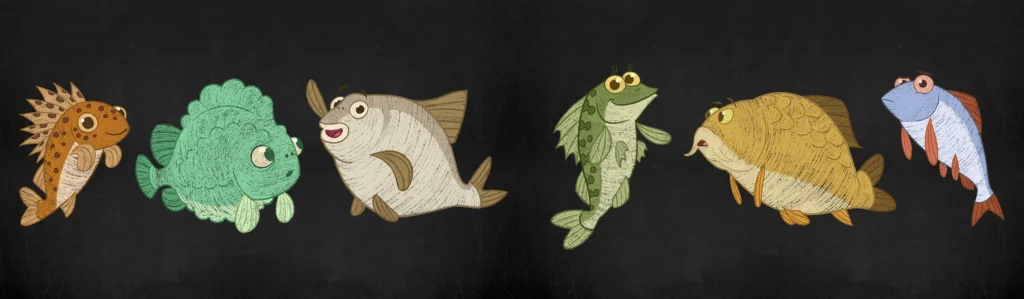
An image from the Brink Helsinki Blog Post: Character Design for Animation. The image is a character design sheet for the K-Citymarket Fish Buddies animation production.

Final Thoughts on Character Design in Animation

Character design is not just about making something look good—it’s about making it feel alive and authentic. When designers integrate a character’s personality, emotions, and role in the story into their visual identity, they create characters that audiences truly connect with.

Whether designing for feature animation, games, or high-end marketing films, the same principles apply: form follows function, and story drives design. By refining silhouettes, expressions, colors, and movement, designers craft characters that stand the test of time.

If you are interested in an extensive character design project, you should check out our character design case study for the feature animation Ro. And if you are into cute animal characters, check out the case study for Veikkaus Delicazoo.

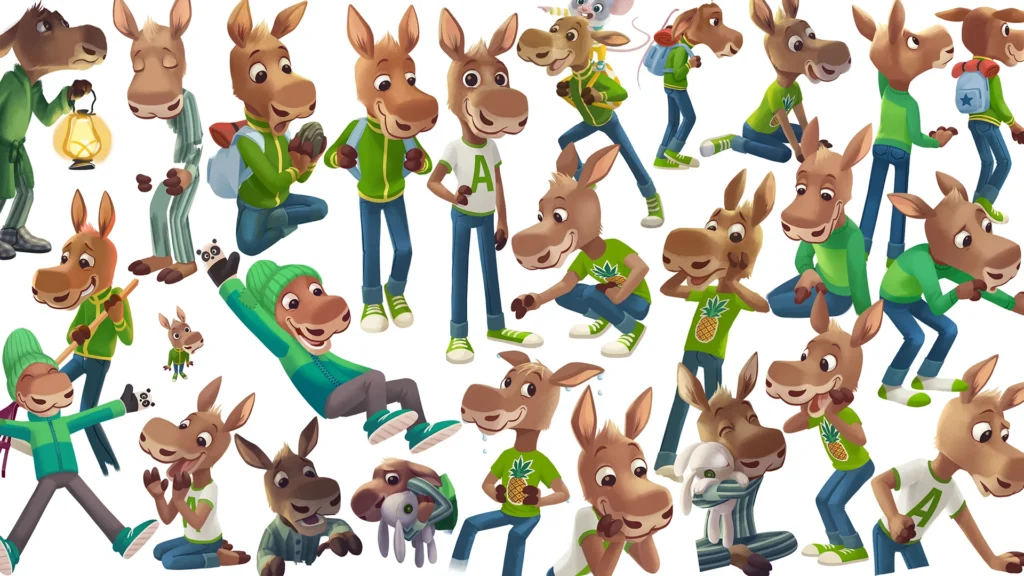
A character sheet from the Sanoma Aapinen production.

If you enjoyed this guide, make sure to check out other posts in our blog!

Ready to take your characters to the next level?
Don’t hesitate to get in touch!

Scroll to Top