Skip to content

Simulation in Animation: Where Chaos Meets Control
In the world of high-end animation, simulation is where the laws of physics take the lead—only to be bent with creative intent. It stands in sharp contrast to traditional frame-by-frame animation, offering a different kind of magic powered by algorithms and computation. Instead of manually animating particles or fluid dynamics, simulations allow artists to create lifelike phenomena that respond to real-world forces.
Whether it’s a gust of wind scattering autumn leaves or a cookie breaking into delicious mid-air crumbs, simulation in animation transforms complexity into captivating realism.
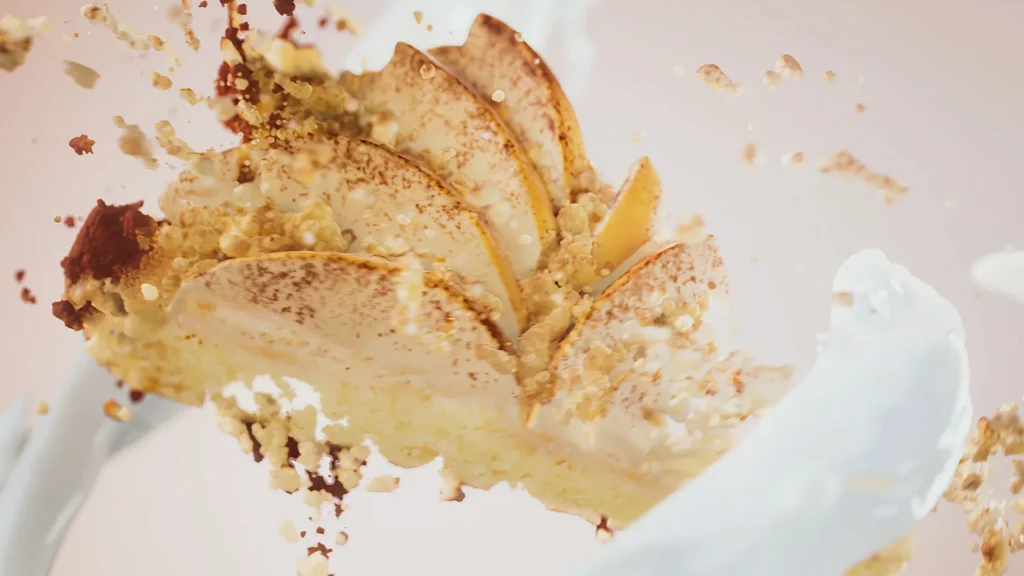
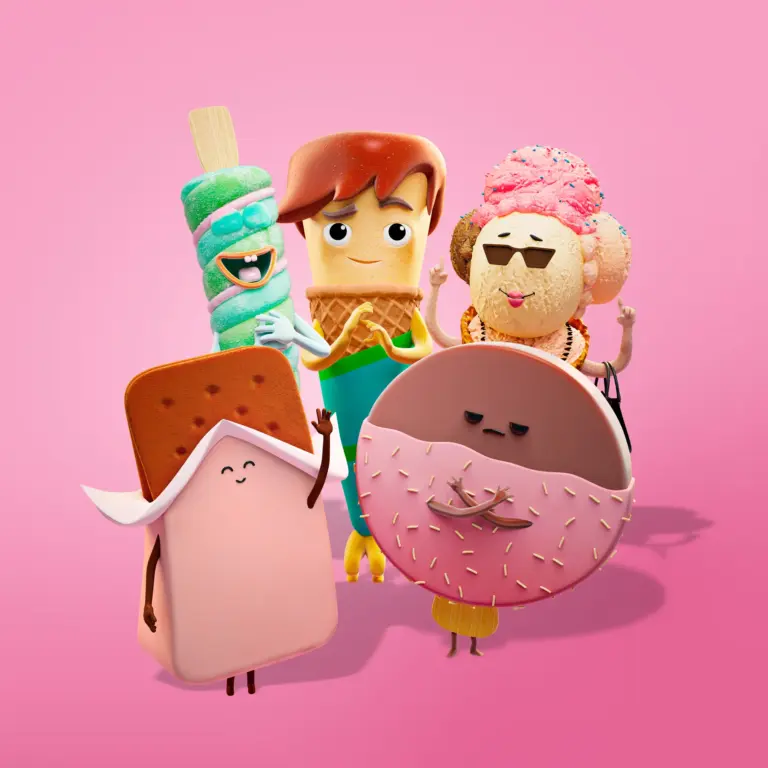
You can learn more about crumbling apple pies and magical ice cream swirls in our case for Ingman Cake Ice Creams.
What is Simulation in Animation?
Simulation refers to the use of physics-based algorithms to animate complex, dynamic systems that would otherwise be too time-consuming or nearly impossible to animate by hand. This includes natural phenomena such as:
Flowing liquids and splashes
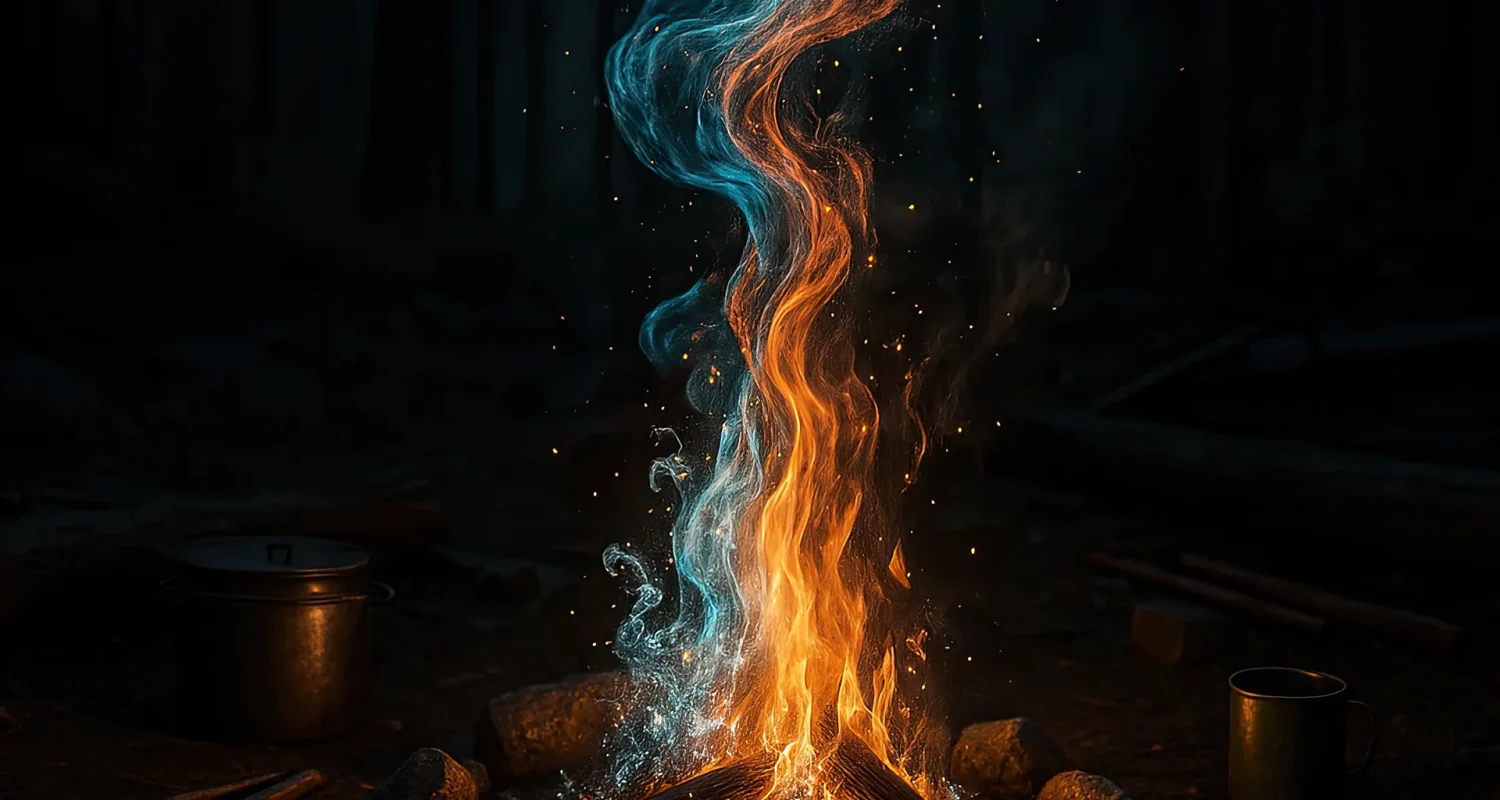
Smoke, fire, and steam
Rigid and soft body dynamics
Hair, fur, cloth, and foliage
Destruction of buildings, shattering glass, or exploding debris
These simulations are not keyframed manually. Instead, artists set up parameters—like material weight, gravity, and air resistance—and let the computer calculate the movement and interaction of each element. While simulations are inherently based on science, they are also highly artistic. Every setting matters, and small tweaks can result in dramatic changes.
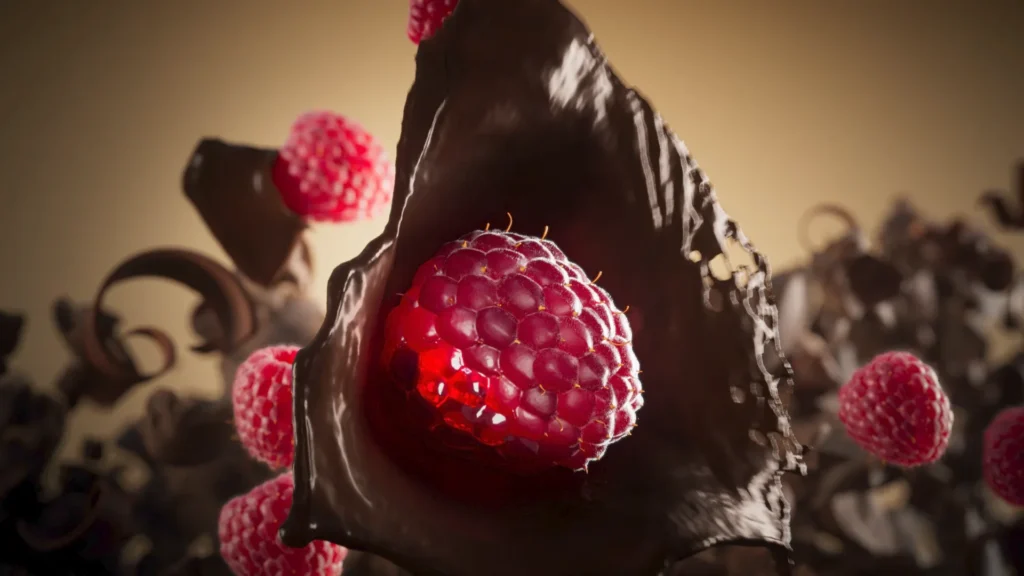
Take a look at how rasberries and hazelnuts collide with liquid chocolate in our case for Panda Lumous.
The Creative Role of the Artist
Although simulations rely on physics, they are not completely hands-off. The animator acts as an art director—controlling how chaotic or stylized the effect becomes. For example, animating a fireball might involve tweaking the temperature of the flame, the smoke’s diffusion rate, or the turbulence of the air current. It’s not uncommon for artists to run dozens of simulation tests before landing the perfect result.
Simulation is one of the more resource-intensive areas in animation, requiring strong technical knowledge, solid hardware, and a lot of patience. However, the reward is immense. When done right, simulations create some of the most eye-catching visuals in animation.
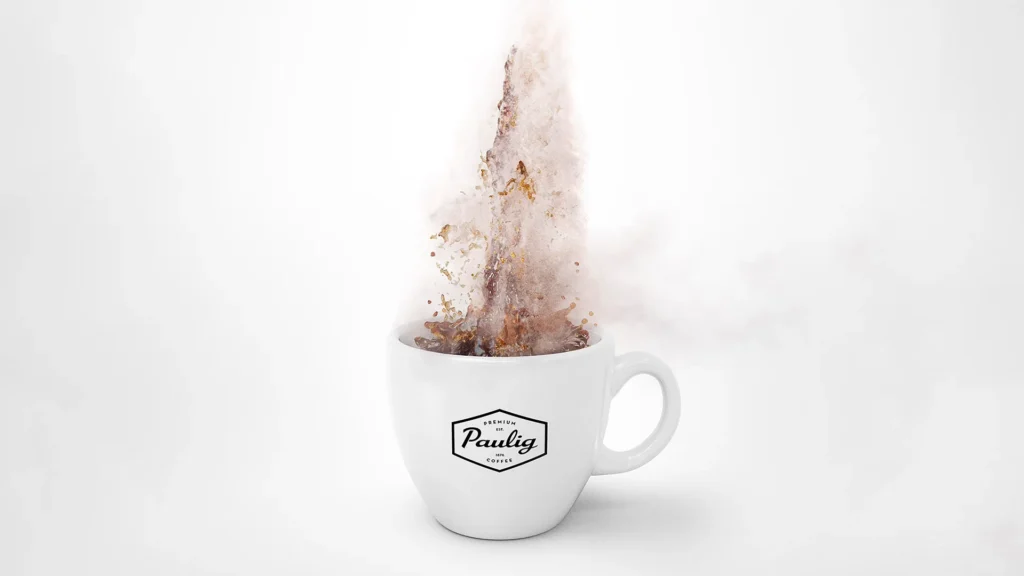
Learn how to create a geyser inside a coffee cup in our case for Paulig City Coffees.
Simulation in Marketing Animations
In commercial animation, especially for marketing and advertising, simulations can elevate your visual storytelling to new heights. Think of:
A magical stream of chocolate swirling into a perfectly iced dessert
A soda can bursting open with an ultra-realistic splash
Cream flowing into a coffee cup like a velvety waterfall
Crispy chips or cookies crumbling in slow motion
Ice cream transforming from a glossy liquid into a firm, frosty delight
A mop being passionately French-kissed by an animated character (yes, really)
A coffee mug erupting like a geyser for story and wow-effect
These simulations bring flavor, fun, and tactile realism to marketing assets. When used with care, they can create viral-worthy content that resonates with viewers and enhances brand perception.

Learn how simulation can be used to create a sensual kiss with a mop in our case for Merge Mansion: Hopeberry Juice Spike.
Best Practices for Simulation Workflows
Plan your outcome: Know what you want the simulation to achieve. Whether it’s realism or stylization, your setup will differ accordingly.
Use references: Study real-world footage. How does whipped cream fold over itself? What does steam rising from soup look like?
Work in layers: Separate primary and secondary simulations when possible—this saves time and adds flexibility in compositing.
Sim smart: Don’t overcomplicate the physics if the shot doesn’t need it. Optimize for speed when high fidelity isn’t required.
Budget wisely: Simulations eat up time and hardware. Account for simulation time early in your production calendar.
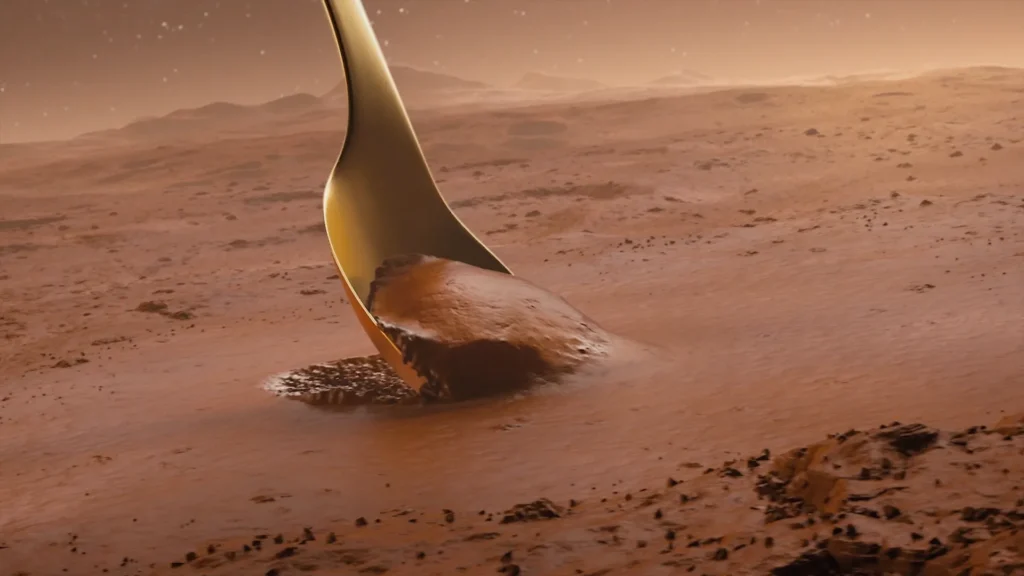
We made a planet out of chocolate mousse for Valio Herkku family of chocolate novelties.
Final Thoughts
Simulation in animation is where code meets creativity. It brings believable chaos into otherwise clean digital worlds. For brands looking to create marketing content that grabs attention, simulations offer an endless toolkit of visual delight.
From a simple puff of smoke to an intricately choreographed food reveal, simulations can transform your animation from functional to phenomenal.
If you enjoyed this guide, make sure to check out other posts in our blog!
Need high-end simulations in your animation?
Don’t hesitate to get in touch!

Ilari Koskinen
Executive Producer
+358 40 773 7312
ilari@brinkhelsinki.com